AMD’s FSR 4.1 has arrived with promises of improved quality and efficiency, but early benchmarks reveal a significant performance trade-off for RDNA 3 GPUs. While the new upscaling technology matches or slightly outperforms native rendering on RDNA 3, it lags behind FSR 3.1 in several key scenarios, raising questions about its real-world impact.
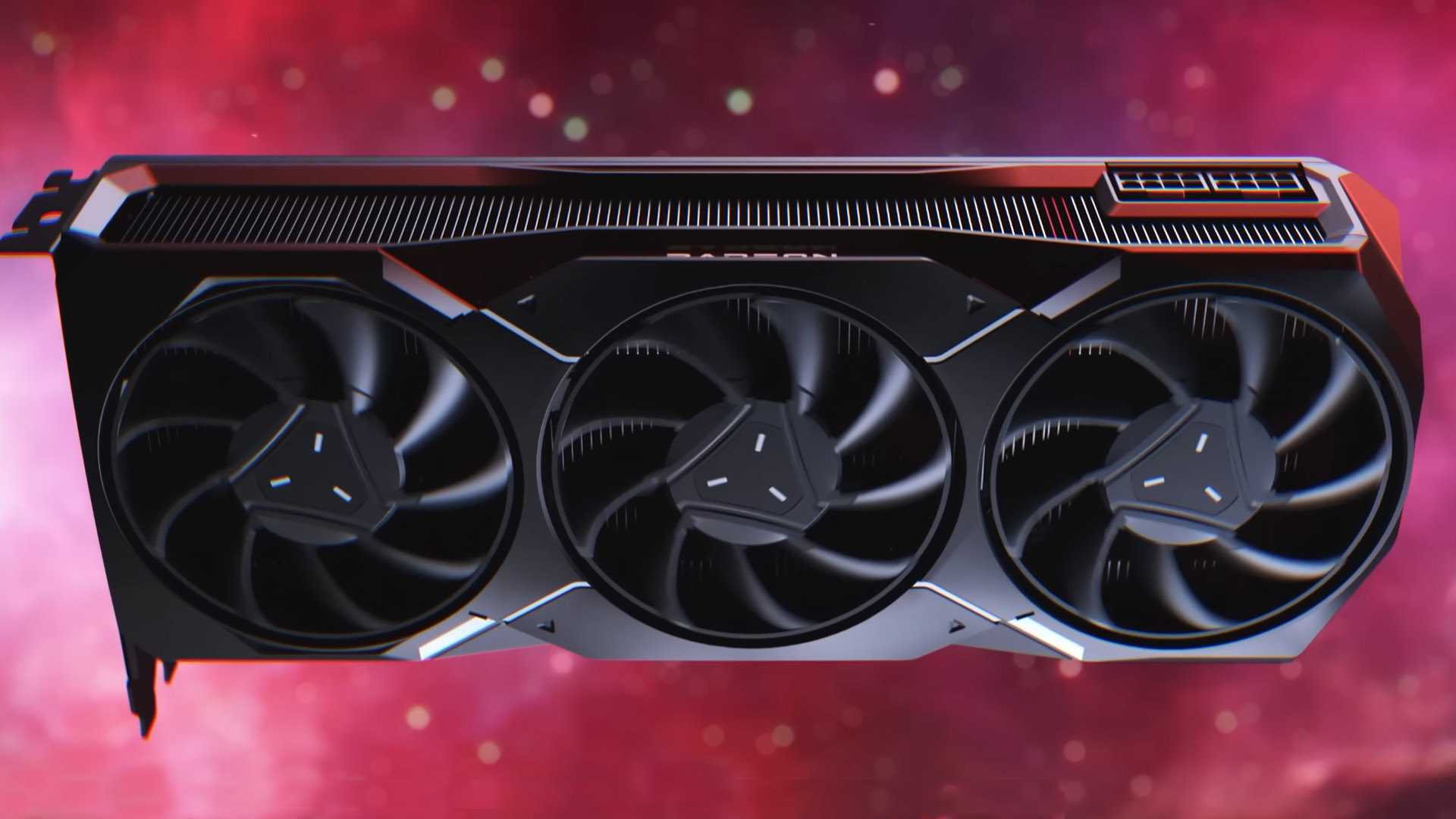
The most striking discrepancy appears when comparing FSR 4.1 to FSR 3.1 on the same hardware. On the RX 7900 XTX, for example, FSR 4.1 in Quality mode delivers 52.6 FPS—a notable 7% drop from the 56.5 FPS seen with FSR 3.1. This gap widens further when comparing RDNA 3 GPUs to the newer RX 9070 XT, which leverages RDNA 4’s AI accelerators for upscaling. The 9070 XT consistently outperforms the 7900 XTX by around 9% in FSR 4.1 mode, underscoring the performance advantage of the latest architecture.
AMD has acknowledged that FSR 4.1 is optimized differently for RDNA 3 and RDNA 4 hardware. The older generation relies on 8-bit integer processing, while RDNA 4 benefits from FP8 support in its AI accelerators. Despite this, AMD claims to have aimed for quality parity across generations, though the performance penalty suggests a compromise. For users on RDNA 2 GPUs, support is still forthcoming, with official rollout expected in early 2027—a delay that may further complicate adoption.
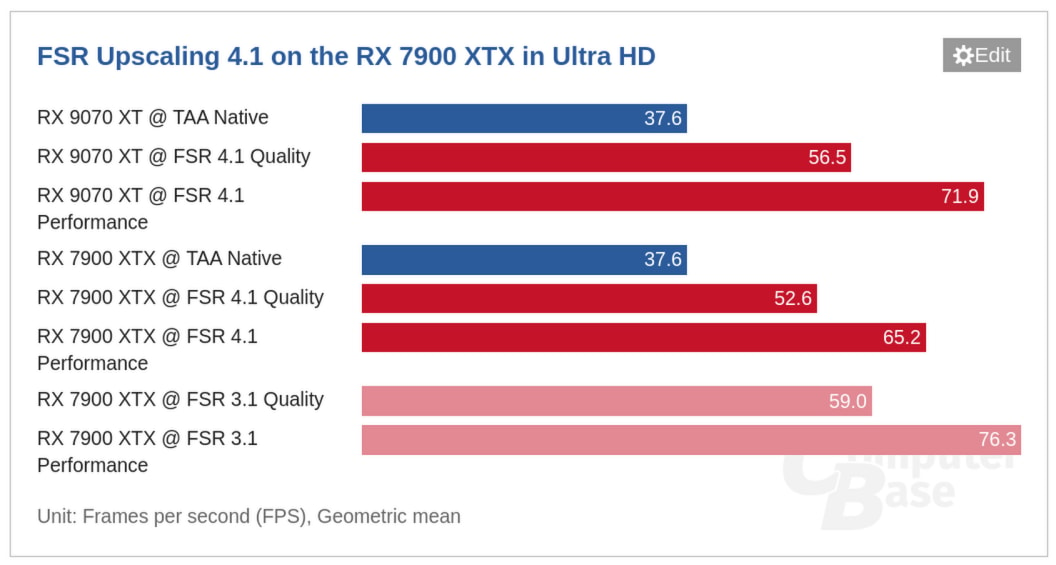
On mid-range GPUs like the RX 7800 XT and RX 7600, the performance gap between FSR 4.1 and FSR 3.1 remains consistent, with regressions of around 7-9% depending on the mode. This trend hints at a broader issue: while FSR 4.1 may offer incremental improvements in quality, it comes at a cost for older hardware that lacks dedicated AI acceleration.
- Key specs:
- Performance gap: FSR 4.1 Quality mode is 7-9% slower than FSR 3.1 on RDNA 3 GPUs.
- RDNA 4 advantage: RX 9070 XT outperforms RX 7900 XTX by ~9% in FSR 4.1 mode.
- RDNA 2 support: Planned for early 2027, with no AI accelerators available.
The takeaway is clear: while FSR 4.1 represents a step forward for RDNA 4 GPUs, users on older hardware may find the performance hit outweighs the benefits. For those upgrading or eyeing newer models, the gap between generations becomes more pronounced, reinforcing the importance of platform lock-in when choosing AMD’s latest hardware.