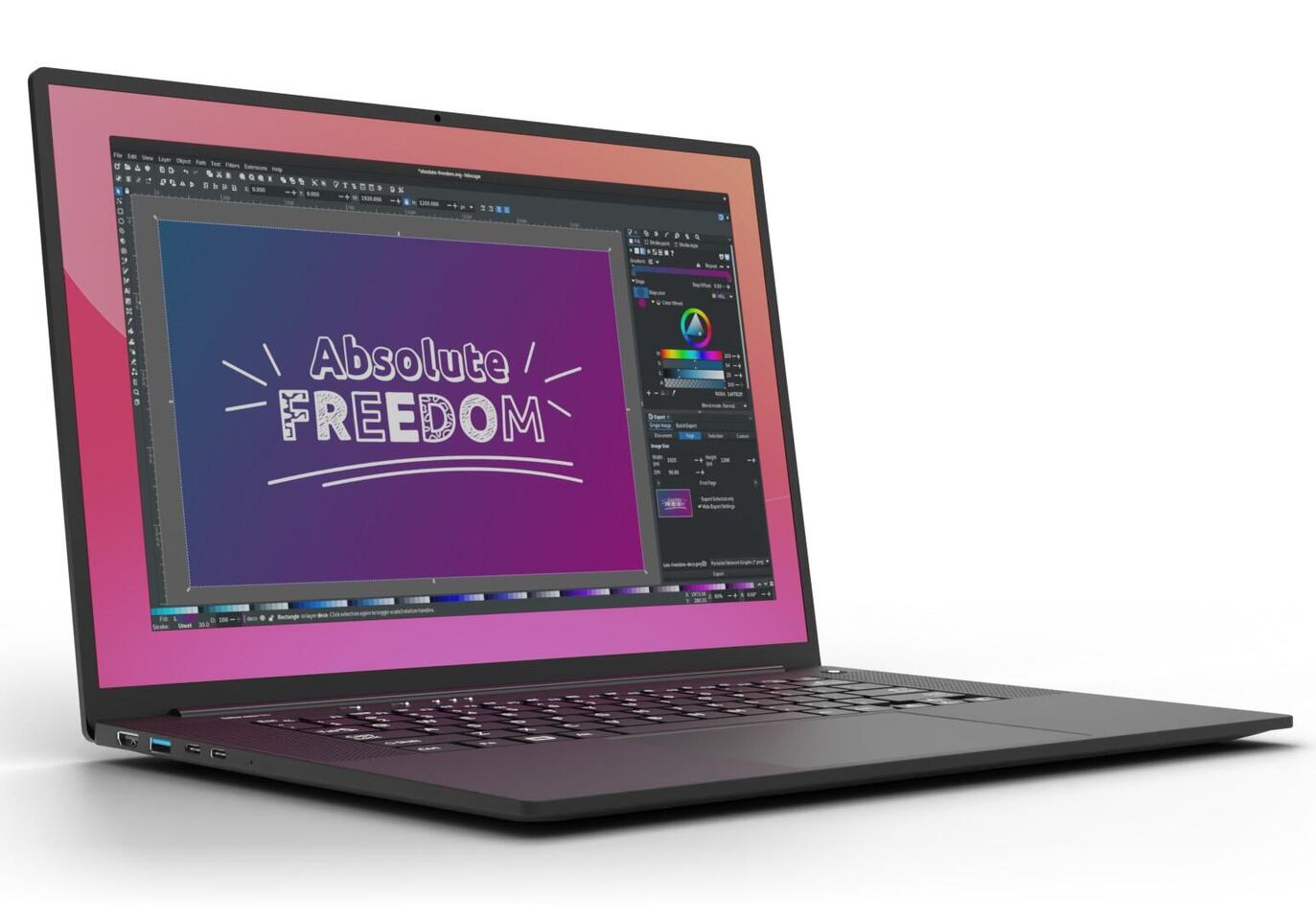
The Framework Laptop 16 arrives at a moment when SSD prices have dropped significantly, but it also forces developers to confront a harder choice: whether to prioritize upfront savings or future-proofing. While its $949 starting price is competitive, the tradeoff comes in performance, with an Intel Core i5-1235U that may not satisfy demanding workloads.
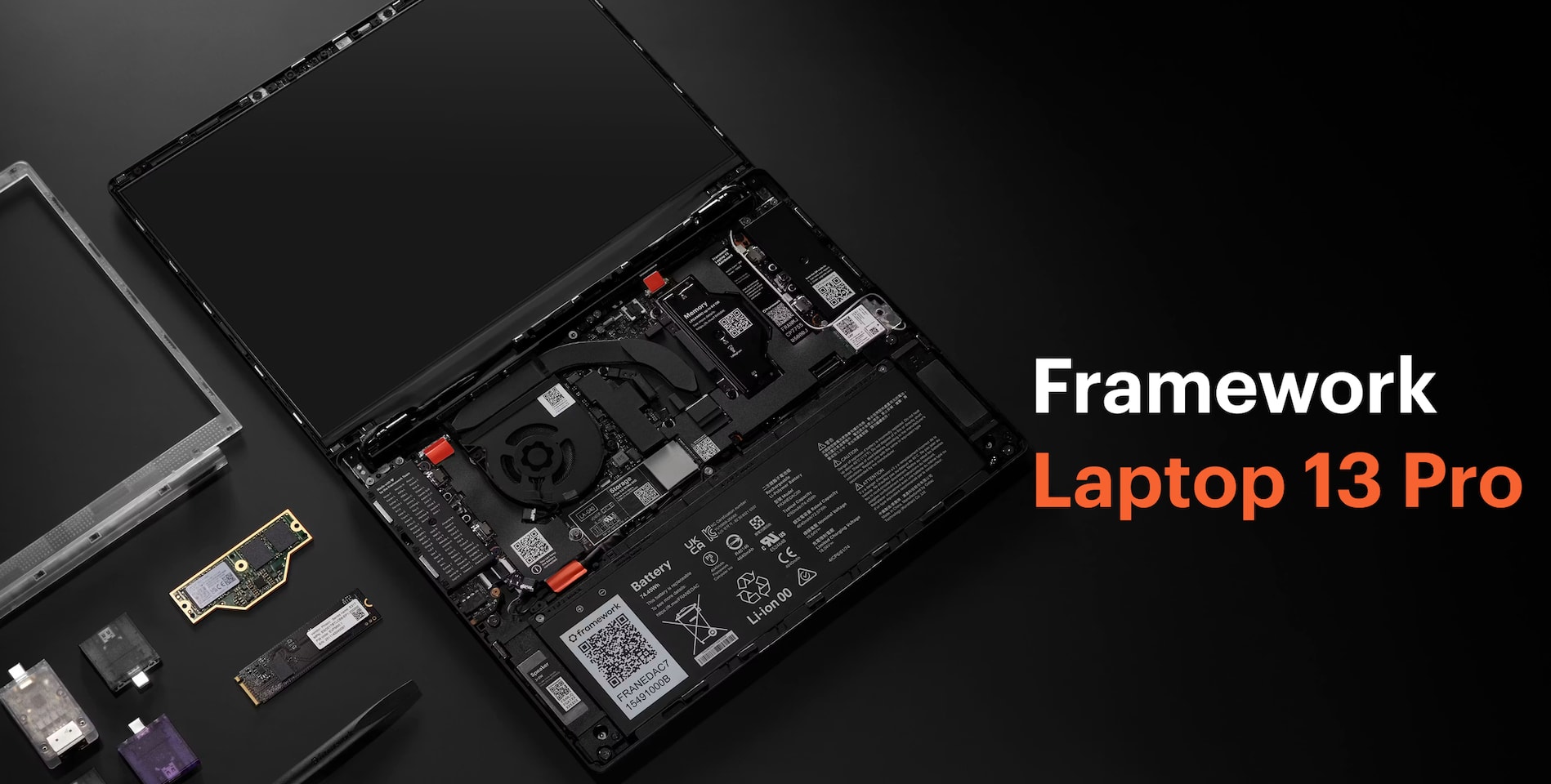
Framework’s design philosophy revolves around modularity, but this iteration shifts focus from hardware upgrades to software flexibility. The laptop’s internal components—including a 480-pin SO-DIMM slot for RAM and a 7mm M.2 SSD slot—are standard, yet the company’s decision to omit an M.2 slot for GPU expansion or additional storage leaves room for debate about its target audience.
- CPU: Intel Core i5-1235U (10 cores, up to 4.4 GHz)
- RAM: 8GB LPDDR5 (expandable via 480-pin SO-DIMM slot to 64GB)
- Storage: 256GB NVMe SSD (upgradable, but no M.2 E-key or GPU slot)
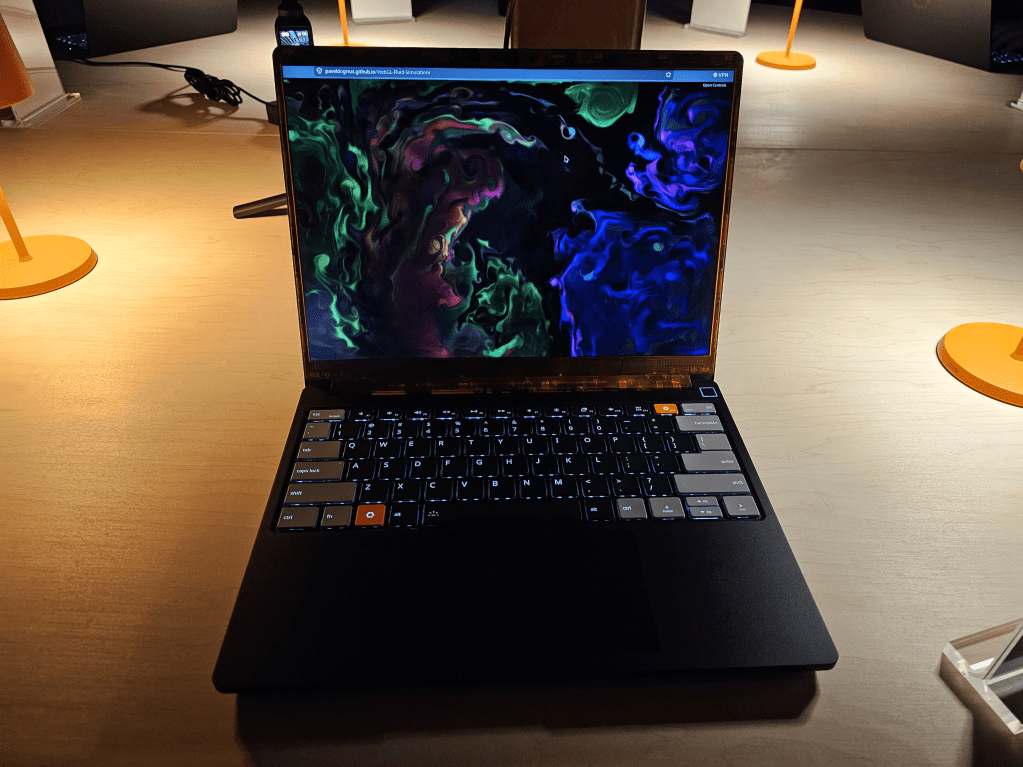
- Display: 16-inch 2.8K (2880x1800) OLED, 300 nits brightness
- Ports: Two Thunderbolt 4/USB-C, one USB-A, microSD reader, 3.5mm audio jack
- OS: Windows 11 Home or Pro (or Linux via Framework’s custom image)
- Price: Starts at $949 (with 8GB RAM and 256GB SSD), configuration-dependent
The OLED display is a standout, offering sharpness and color accuracy that developers will notice in design-heavy workflows. However, the lack of an M.2 E-key slot means no discrete GPU or additional storage, which could limit its appeal for tasks like 3D rendering or video editing.
Framework’s approach to cost savings is evident in the SSD choice—using a 7mm NVMe drive instead of the more common 11mm form factor—but this also restricts future upgrades. The real question for developers isn’t just whether they can work within these constraints today, but whether Framework will address performance gaps in future revisions.
The Laptop 16’s value hinges on its balance between affordability and flexibility. For those whose workloads don’t push the i5-1235U to its limits, it offers a compelling entry point. But for those eyeing long-term upgrades, the lack of key expansion slots may prove frustrating.