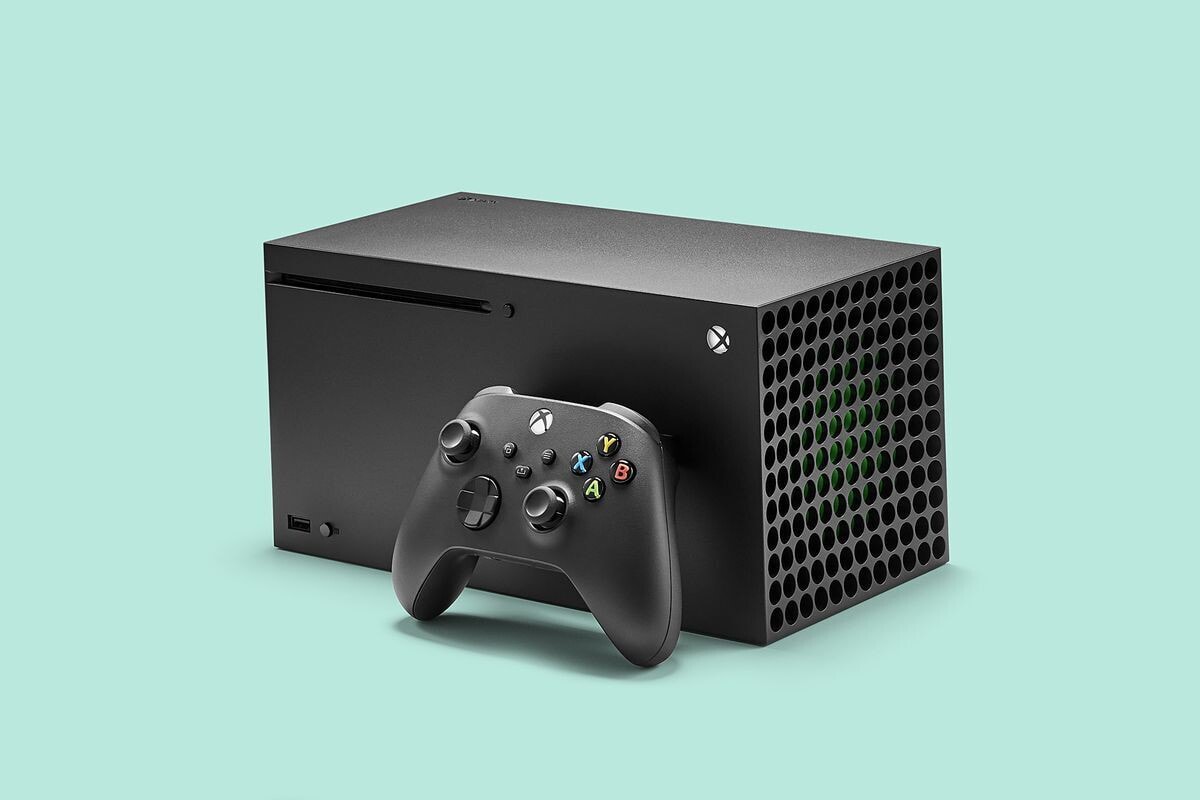
The gap between the Xbox Series X and Series S is now wider than ever in terms of price, but also in how Microsoft positions its hardware. Where the Series S once offered a budget-friendly entry point with a 512 GB SSD, it now starts at $349—just $50 below the base Series X price of $399. The shift isn’t just about cost; it’s about how Xbox is being reimagined as both a gaming platform and a long-term investment.
This change comes without a major leap in hardware. The Series S still uses a custom 12 nm CPU, a RDNA 2 GPU with 40 CU, and 10 GB of GDDR6 RAM, split between 10 GB and 9 GB for the system and GPU respectively. The only difference is an additional 512 GB of SSD storage, bringing total capacity to 1 TB. Yet, the price jump feels deliberate—a signal that Microsoft is no longer treating the Series S as a secondary or temporary option.
What’s Confirmed, What’s Assumed
The confirmed specs are clear: both consoles share the same core architecture, but the Series X adds 16 GB of GDDR6 RAM and a larger SSD. The Series S, meanwhile, has been rebranded as a more compact, storage-focused variant. What’s less clear is whether this pricing reflects a permanent realignment or a temporary market adjustment.
Microsoft has historically treated the Series X and Series S as complementary tiers, but the new prices suggest a different approach. The Series S, once seen as an entry-level choice, now carries the full weight of Xbox Game Pass—an integral part of Microsoft’s long-term strategy. This could mean that the console is being positioned not just as a gaming device, but as a platform for content creation and cloud-based experiences.
Platform Lock-In: A New Priority
The rise in price may also hint at deeper engineering tradeoffs. While the Series X remains the powerhouse with 16 GB of RAM and a more robust GPU, the Series S is being pushed toward a different role—one that emphasizes storage and cloud integration over raw performance. This could be a calculated move to reduce hardware costs while keeping users locked into Microsoft’s ecosystem.
Creators, in particular, may find this shift significant. The Series S, with its 1 TB SSD, is now a viable option for developers testing projects or working with larger asset sizes. But the increased price could limit its appeal as an affordable development tool unless Microsoft offers deeper discounts or incentives.
Unknowns and Long-Term Roadmap
The biggest unknown remains whether this pricing will persist beyond the current generation. The Xbox Series X launched in November 2020 at $499, while the Series S debuted a year later at $299. Today’s prices are closer to those original launch figures, suggesting a possible normalization of costs rather than an inflationary spike.
If Microsoft continues this trend, it could reshape how creators and gamers approach Xbox hardware. The console is no longer just a piece of entertainment tech; it’s becoming a cornerstone of a broader platform strategy. Whether that strategy pays off remains to be seen, but the engineering tradeoffs behind these price changes are already evident.
For now, buyers face a clear choice: pay more for the full Series X experience or opt for the Series S with its storage advantages and hope Microsoft’s long-term vision delivers on its promises. The shift is subtle, but it’s undeniably part of a larger rethinking of what an Xbox console can—and should—be.