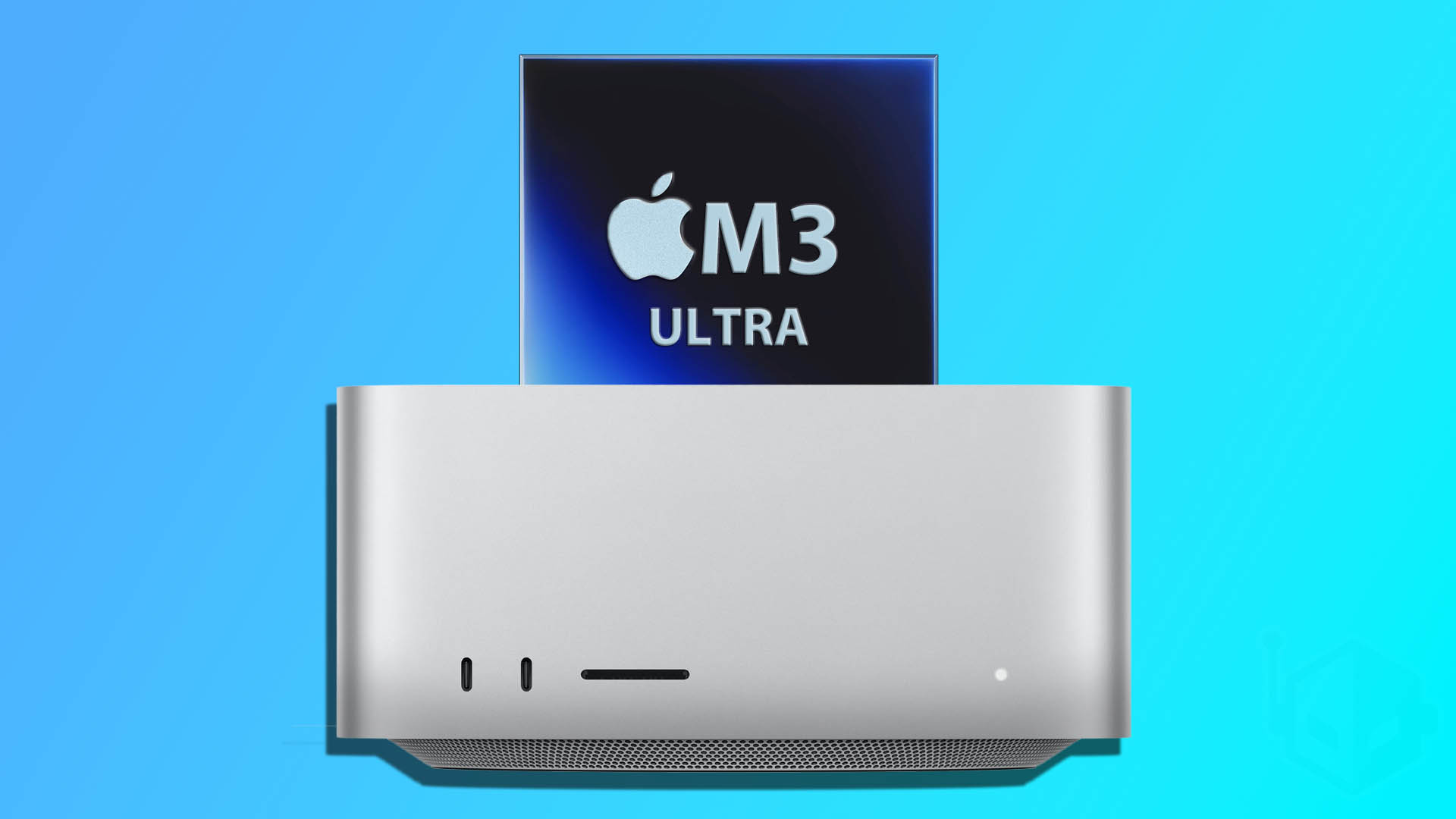
The M4-based Mac mini is positioned as a more affordable entry point into Apple’s latest chip ecosystem, with a starting price of $799. This model, while less powerful than its higher-end counterparts like the M3 Ultra-powered Mac Studio, reflects a strategic move to provide value in a market where raw performance no longer comes without significant cost.
One of the standout features of the M4 chip is its integration with the RTX 5070 graphics card, which brings hardware-accelerated ray tracing and AI capabilities to Apple’s desktop lineup. This is a notable shift from previous generations, where dedicated GPU performance was more limited in consumer-grade Macs. The RTX 5060 variant, included in other models, offers a scaled-down but still capable graphics experience for less demanding tasks.
Storage and memory options have also seen adjustments, with the base model now offering 256 GB of SSD storage—a significant jump from previous configurations. This reflects broader industry trends where even mid-range devices are equipped with larger storage capacities to accommodate growing data needs. Memory, too, has become a differentiator, with some models now featuring up to 32 GB of unified memory, up from the previous 16 GB standard in many Apple products.

The pricing strategy suggests Apple is attempting to segment its market more deliberately. The Mac mini’s $799 price point is competitive within the mid-range desktop space, but it also highlights a growing gap between entry-level and high-end options. For professionals who require the full power of the M3 Ultra or even the RTX 5090 graphics card found in higher-tier models, the cost premium remains substantial.
Whether these adjustments will stabilize or continue to climb depends on the broader semiconductor market. If DRAM and NAND prices remain volatile, Apple may need to reassess its pricing model further, potentially leading to more frequent updates or even a shift toward subscription-based models for hardware access. For now, the M4 Mac mini serves as a case study in how companies navigate these challenges—balancing performance, cost, and market expectations in an uncertain economic landscape.