The data center CPU landscape is undergoing a fundamental realignment, with AMD's Zen 6 architecture emerging as a formidable contender to NVIDIA's AI-optimized Vera processors. While NVIDIA has doubled down on specialized acceleration for machine learning tasks, AMD is betting on a more versatile approach that maintains strong x86 compatibility—a strategy that could appeal to enterprises prioritizing long-term infrastructure investments over niche performance gains.
Today's focus shifts to AMD's Zen 6-based EPYC lineup, which will push the boundaries of core count and thread efficiency while preserving backward compatibility with existing SP5 and sBP9 sockets. This positions AMD to address a broader spectrum of workloads, from traditional enterprise applications to emerging high-performance computing demands. In contrast, NVIDIA's Vera CPUs will continue their focus on AI acceleration through Tensor Cores, though they'll offer fewer general-purpose compute cores than AMD's offerings.
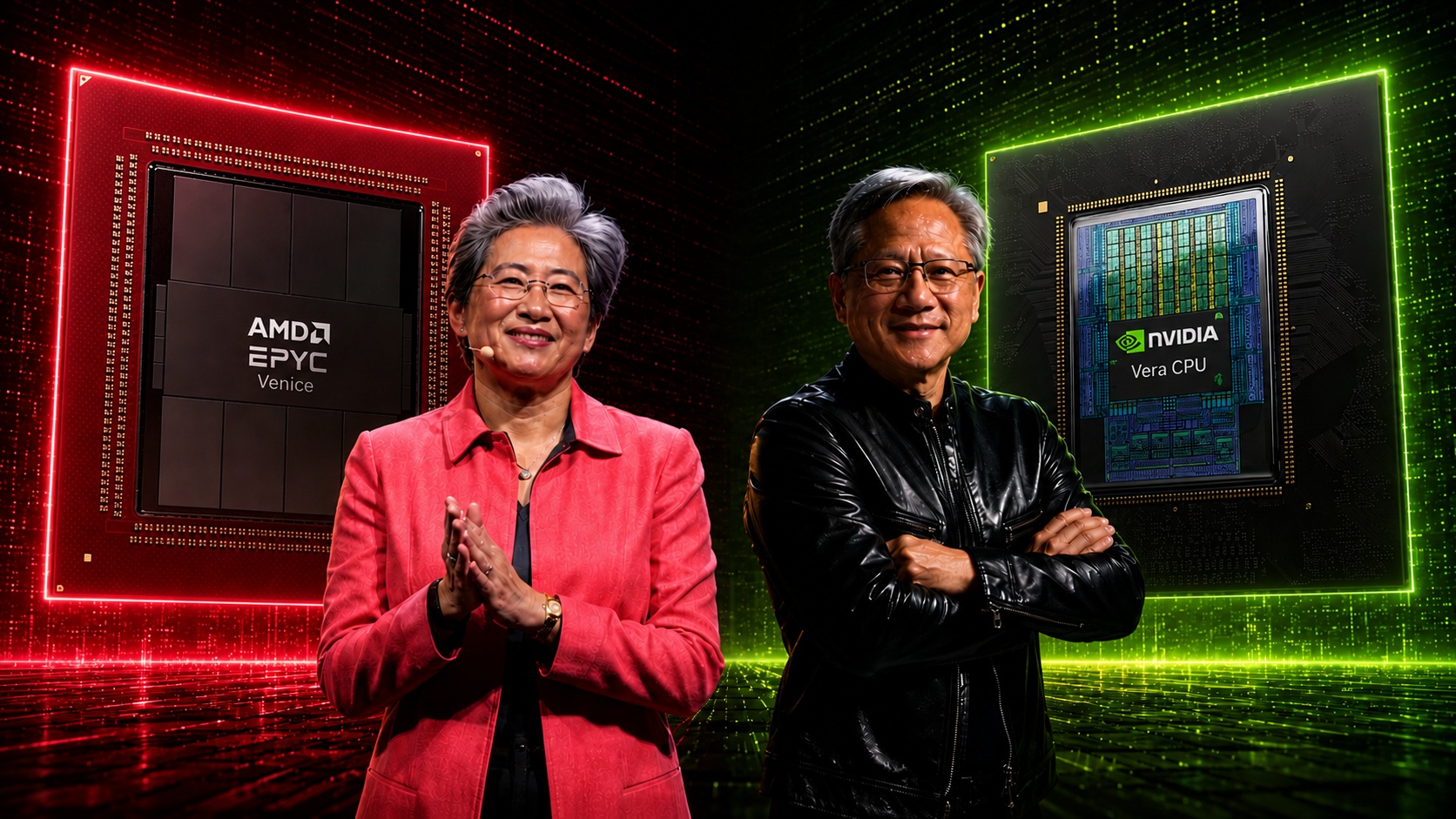
- AMD's Zen 6 EPYC processors will support up to 128 cores and 256 threads per socket, ensuring seamless integration with existing data center infrastructure.
- NVIDIA's Vera CPUs are optimized for AI workloads with dedicated Tensor Cores but feature fewer general-purpose compute cores than AMD's EPYC counterparts.
- Industry projections suggest AMD could sell 6.75 million EPYC units annually by 2027, potentially surpassing NVIDIA's expected 5.75 million Vera CPUs in the same period.
The implications of this shift extend far beyond sales figures. AMD's open-architecture approach prioritizes compatibility with existing software ecosystems and workloads—a critical advantage for enterprises that have built their operations around x86 dominance. NVIDIA, however, is taking a more specialized path, requiring customers to adapt their infrastructure significantly if they want to leverage advanced AI acceleration features.
This transition isn't without its challenges. AMD must prove Zen 6 can deliver on efficiency promises while maintaining strong single-thread performance, which remains crucial for latency-sensitive applications like financial modeling or real-time analytics. Meanwhile, NVIDIA faces the task of demonstrating that AI acceleration justifies its cost premium over more general-purpose solutions.
For system designers and enterprises, the choice between AMD's EPYC and NVIDIA's Vera CPUs will ultimately hinge on specific needs. Those prioritizing broad compatibility and future-proofing may find AMD's approach more appealing, while organizations deeply invested in AI workloads could see value in NVIDIA's specialized offerings. The question remains whether this dynamic will solidify AMD's lead or if another player will emerge with a disruptive approach to shake up the market.