Micron is doubling down on its memory business with a series of binding contracts that will lock in billions in future sales, creating both stability and risk for the industry.
The semiconductor giant has signed 16 strategic customer agreements covering DDR5, LPDDR5X, and other memory products. These deals span five years each and cannot be canceled, ensuring Micron a steady revenue stream that could surpass its entire pre-2018 earnings within a decade if market conditions hold.
Key to the arrangement is the fixed pricing structure embedded in the contracts. Unlike spot-market sales where prices fluctuate with supply and demand, these agreements set prices upfront, protecting both Micron and its customers from volatility. That stability comes at a cost: customers are locked into long-term commitments, reducing flexibility if market dynamics shift. For example, DDR5 modules will be priced per gigabyte rather than per module, incentivizing buyers to maximize capacity to meet minimum order thresholds.
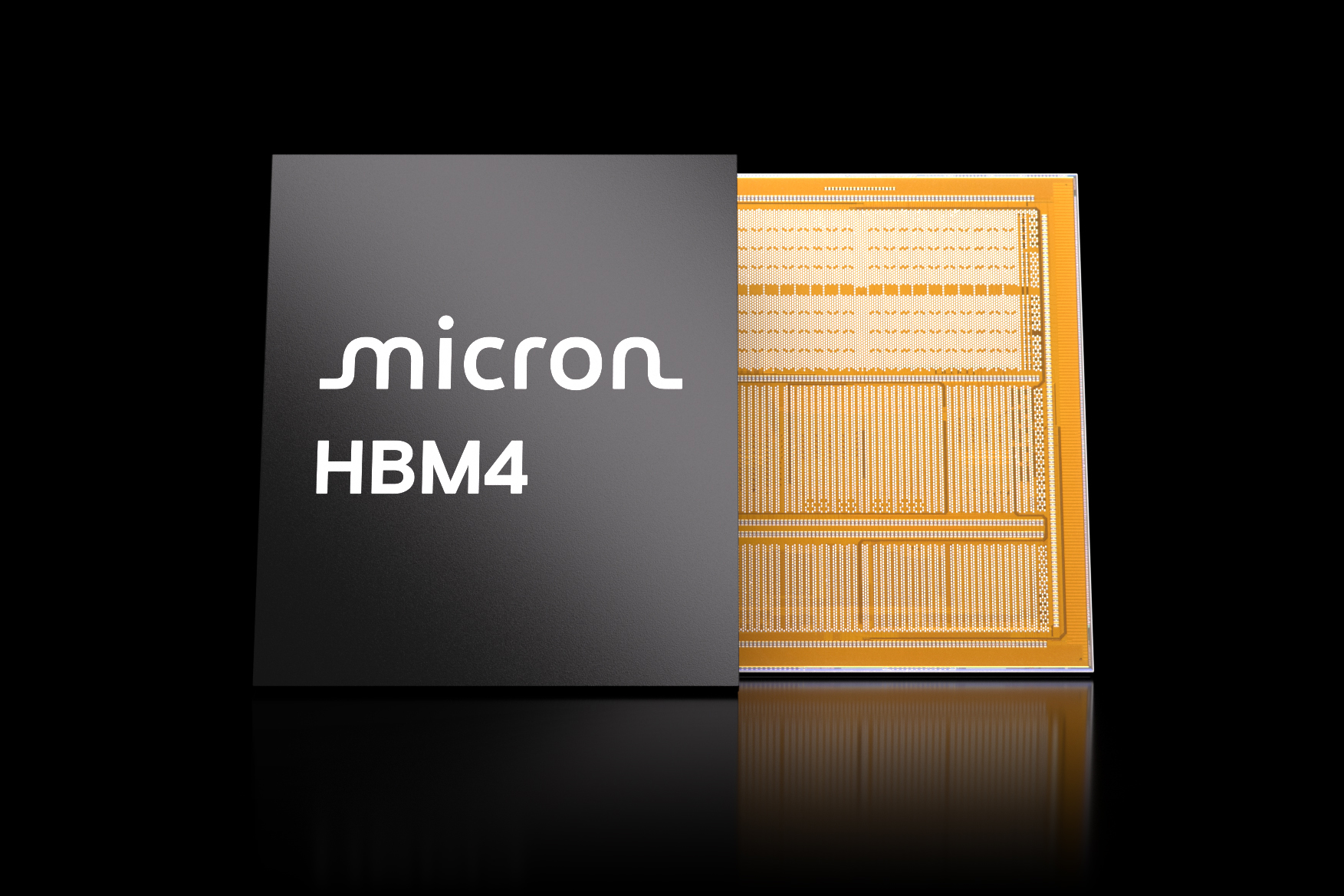
Micron’s move reflects broader industry trends where memory suppliers and buyers increasingly seek predictability in an otherwise erratic sector. The company’s decision to exclude high-bandwidth memory (HBM) from these deals suggests it is prioritizing volume markets over high-margin, specialized segments. This could leave room for competitors like SK Hynix or Samsung to dominate in areas where Micron has less footprint.
Looking ahead, the success of these agreements will hinge on global demand remaining strong. If economic pressures ease or new memory technologies emerge faster than expected, Micron’s long-term revenue could plateau—or even decline—despite the contracts’ binding nature. For now, the deals represent a calculated gamble: locking in customers today while hedging against an uncertain future for memory prices.