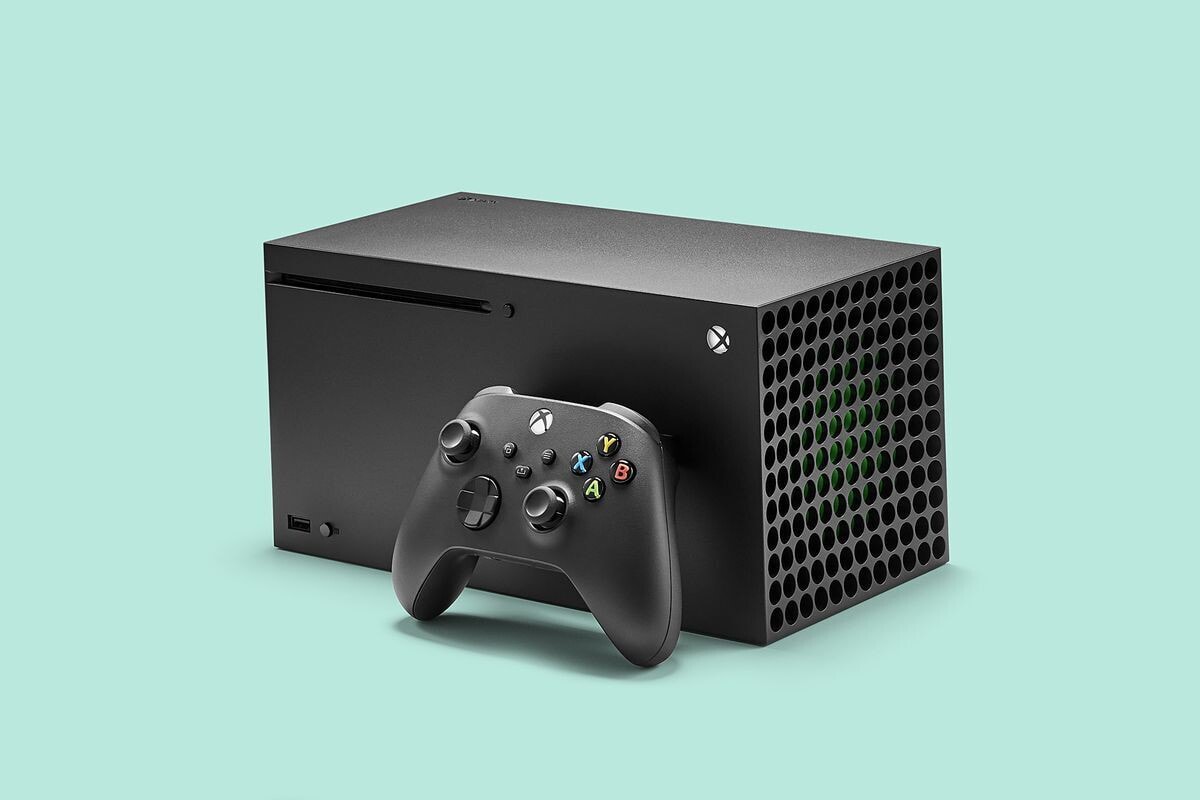
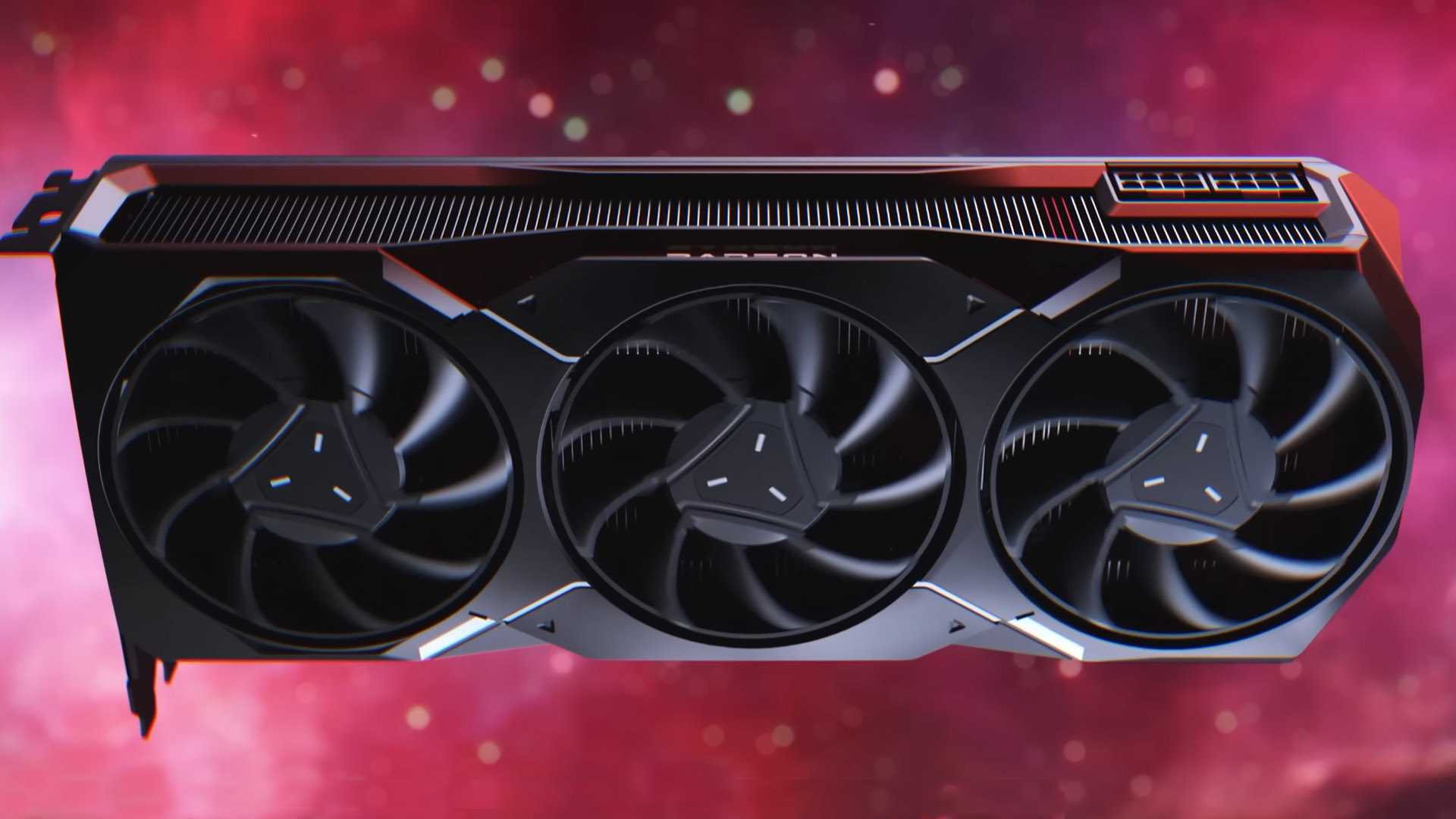
A compact pre-built PC is testing the boundaries of what a Steam Machine alternative can be, blending modern AMD hardware with a form factor that challenges assumptions about power and portability. The system, housed in a SilverStone Sugo SG13B case, features an RDNA 4 GPU—specifically the Radeon RX 9060 XT—paired with an AMD Ryzen 5 8400F processor and 16 GB of DDR5 memory. While this configuration delivers performance well beyond what Valve’s Steam Machine is expected to offer, its larger footprint and premium price tag introduce new considerations for users who prioritize both performance and space efficiency.
The RX 9060 XT stands out with its 8 GB of VRAM and a 384-bit memory bus, which could translate to noticeable improvements in tasks like AI upscaling or ray tracing compared to RDNA 3-based GPUs. However, the 222 x 181 x 285 mm case dimensions—substantially larger than the Steam Machine’s reported 152 x 162.4 x 156 mm—pose a practical trade-off for users who need both power and portability.
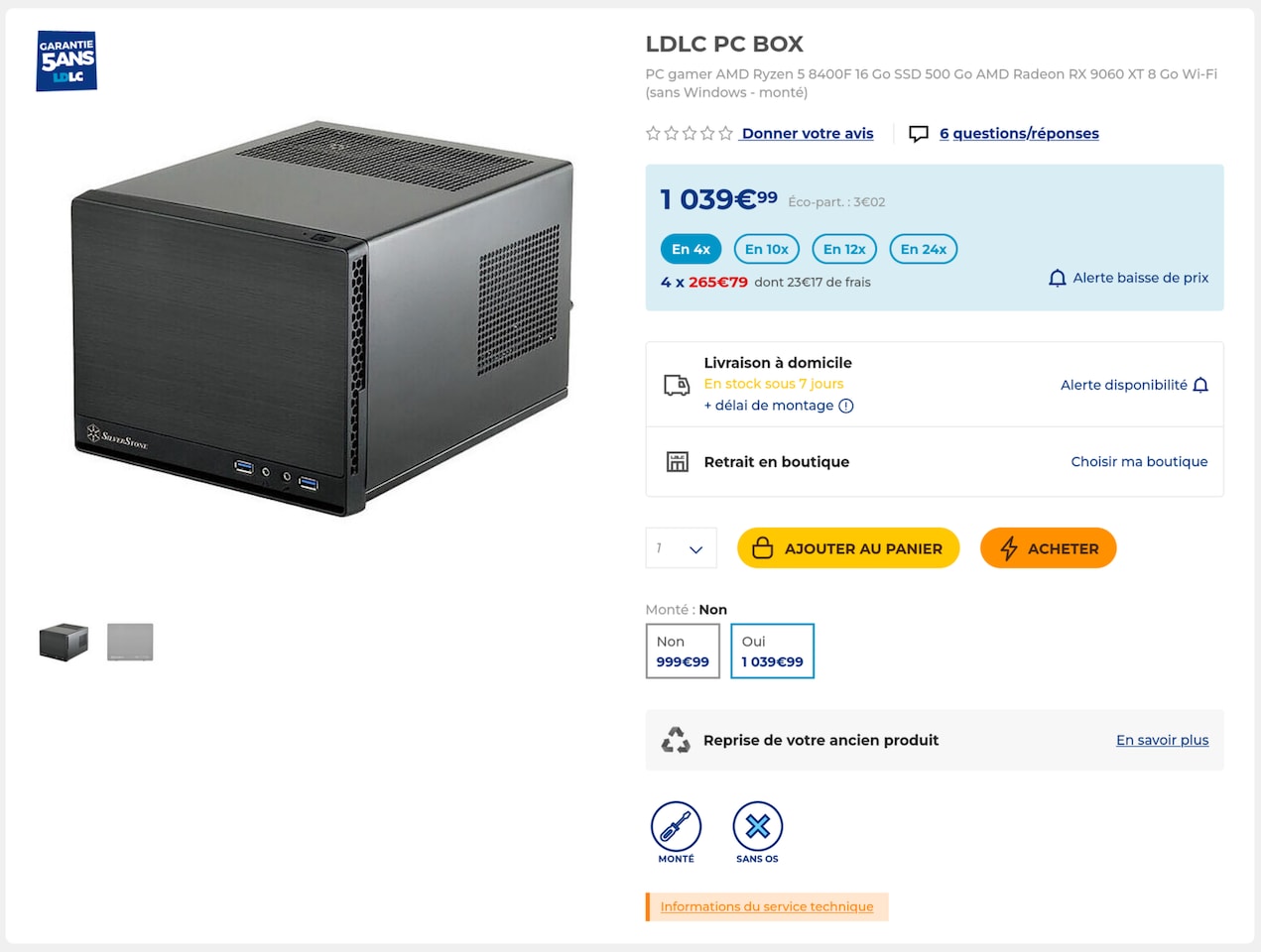
Availability comes in two forms: a pre-built model priced at €1039.99 or a DIY kit for €999.99, both including a 512 GB SSD and a 350 W power supply. The inclusion of DDR5 memory is notable, as it suggests an emphasis on future-proofing, though its impact on performance in smaller builds remains to be seen.
For creators or users focused on AI workloads, the RX 9060 XT’s RDNA 4 architecture could offer tangible advantages over RDNA 3. Yet, the larger form factor may limit its appeal for those who see a Steam Machine as an ultra-compact solution. The balance between performance, size, and cost will ultimately determine whether this pre-built system carves out a distinct niche or simply becomes another option in a crowded market.
The long-term viability of either platform hinges on supply, pricing adjustments, and how demand evolves once these systems hit the market. For now, the question isn’t just about performance—it’s about whether a larger, more powerful PC can coexist with the Steam Machine’s vision of portability without leaving users stuck between two very different approaches to computing.