AMD’s FSR 4.1 now supports GPUs as old as RDNA 2 architecture, including the RX 6000 series, effectively turning a feature reserved for newer cards into a mainstream tool. This shift mirrors NVIDIA’s DLSS 3 rollout but with different tradeoffs: ray-traced frame generation comes at the cost of higher power draw and limited compatibility beyond high-end GPUs.
The update arrives without fanfare, yet it signals a quiet evolution in AMD’s approach to upscaling. FSR 4.1 was initially positioned as a next-gen feature, but its expansion to older hardware suggests a strategic pivot—one that prioritizes breadth over depth. For gamers, the implication is clearer performance on mid-range cards, though at the expense of ray-traced frame generation’s full potential.
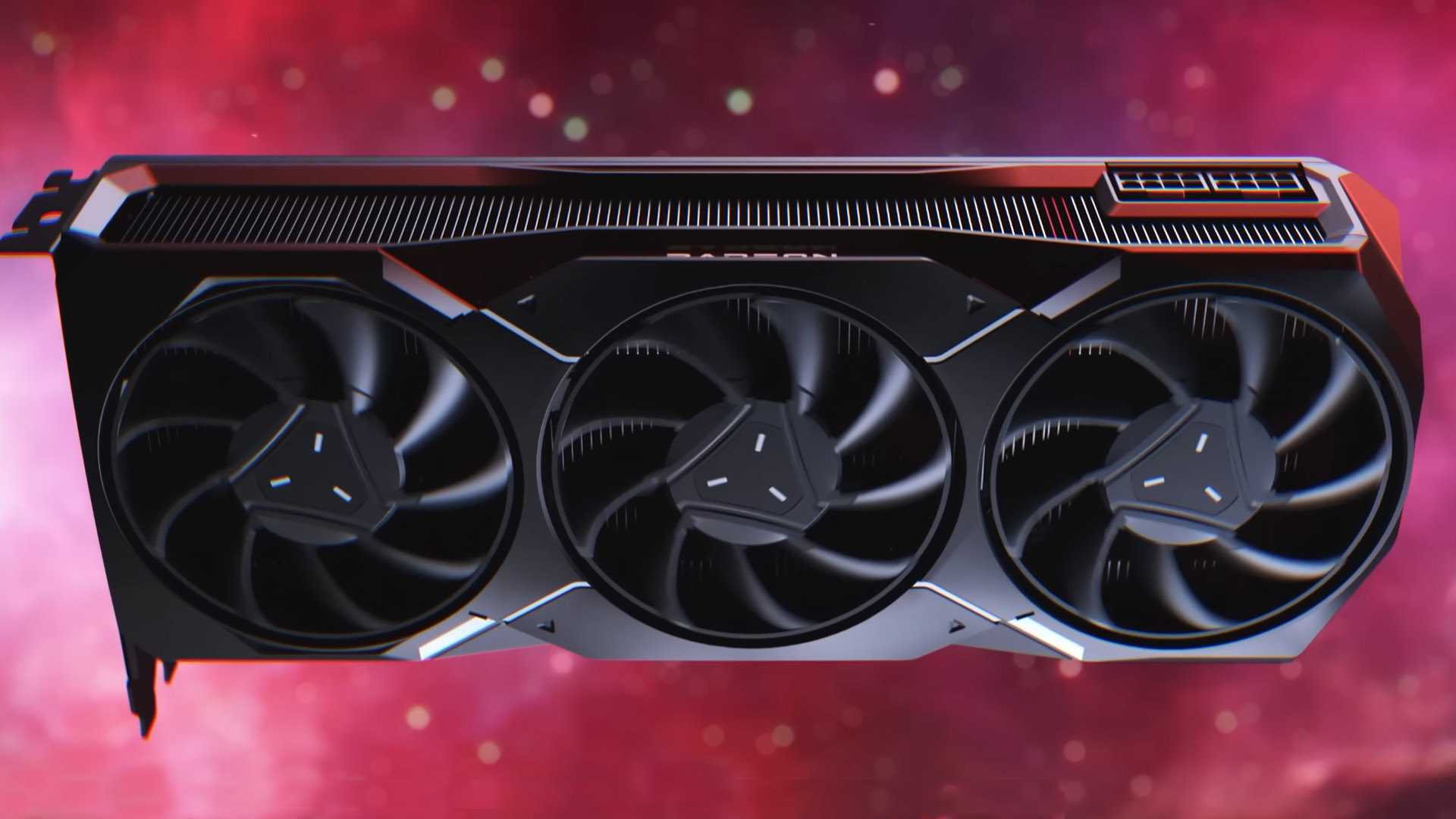
- FSR 4.1 now supports RDNA 2 (RX 6000) and RDNA 3 (RX 7000) GPUs
- Ray-traced frame generation is limited to RDNA 3 cards
- Deeper game engine integration, including Unreal Engine support
- Higher power consumption reported in benchmarks
- No performance boost on non-ray-traced titles
The move reflects a broader trend where upscaling technologies are no longer just about resolution—they’re becoming part of the rendering pipeline. AMD’s push to include older GPUs in FSR 4.1 is a response to NVIDIA’s dominance, but it also risks fragmenting expectations. Gamers with RX 6000 cards will see incremental gains, while those on RDNA 3 hardware can tap into ray-traced frame generation—though at a cost. The tradeoff is now clear: performance comes at the price of power efficiency.
For AMD, this expansion is less about competing with DLSS 3 and more about ensuring no gamer is left behind. But the strategy carries risks. Mid-range GPUs may not handle ray-traced frame generation smoothly, and the power draw could push some systems to their limits. The long-term question remains: will this bridge the gap, or will it just widen the divide in another way?