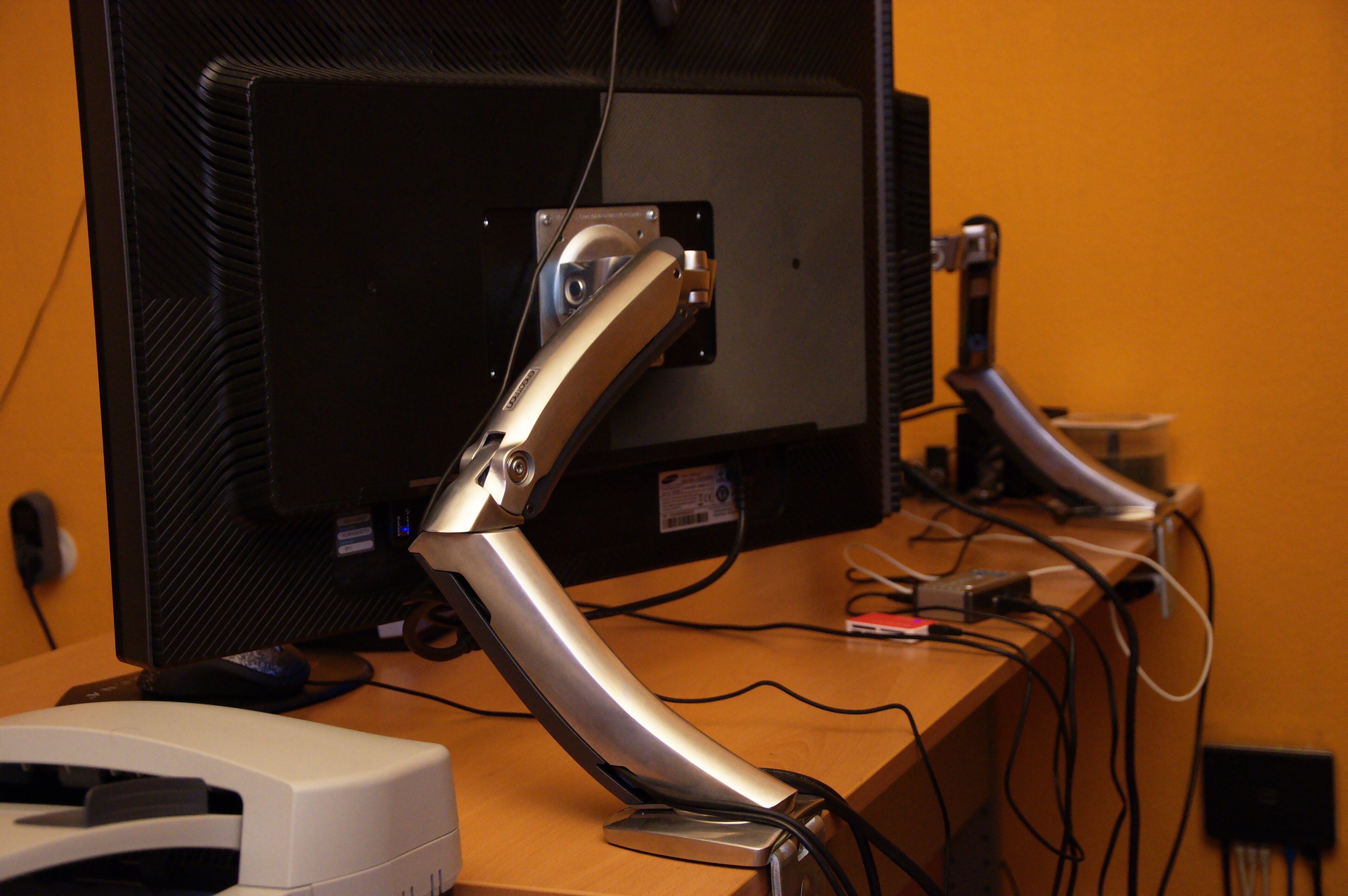
A triple-arm monitor mount that can hold three 4K monitors simultaneously has entered the market with a notable 20% price reduction, making it an attractive option for IT teams looking to optimize home office ergonomics. This mount, designed to accommodate up to 15 kg per arm, represents a strategic shift in how multi-display setups are managed, but its full potential hinges on seamless integration with existing workspace ecosystems.
The mount’s three independent arms allow for precise adjustments in height, tilt, and swivel, addressing a common pain point in home office configurations where static mounts limit adaptability. Each arm supports monitors weighing up to 15 kg, with a maximum combined load of 45 kg—significantly exceeding the needs of most dual-monitor setups while leaving room for future expansion into triple or even quad-screen environments.
That’s the upside—here’s the catch: While the mount itself is a robust engineering solution, its compatibility with non-standard desk dimensions and the lack of universal mounting standards in home offices could create installation challenges. IT teams will need to verify whether their chosen monitors’ stand mounts align with the VESA-compatible design, as mismatches can void weight limits or stability guarantees.
From a strategic perspective, this mount is part of a broader trend toward modular office solutions that blur the line between professional and home environments. The 20% discount—applied to an otherwise premium-priced product—suggests a push to normalize multi-monitor setups beyond traditional workstations. However, whether this will translate into widespread adoption depends on how well it integrates with existing cable management systems and ergonomic accessories.
For IT teams prioritizing workflow efficiency, the mount’s ability to host three 4K monitors (assuming compatible models) could streamline tasks like video editing or data analysis, where screen real estate is critical. The lack of built-in power or HDMI passthrough means users will still need external solutions, but the adjustability compensates for this by reducing the need to reposition entire setups.
The bigger question remains: Will this mount become a standard component in home office builds, or will it remain a niche product for power users? The discount is a strong indicator of intent, but without clearer guidance on long-term support—such as firmware updates for smart features or expanded VESA compatibility—the full ecosystem benefits are still unconfirmed.