An IT manager running simulations for drug discovery no longer needs a specialized quantum lab to see meaningful results.
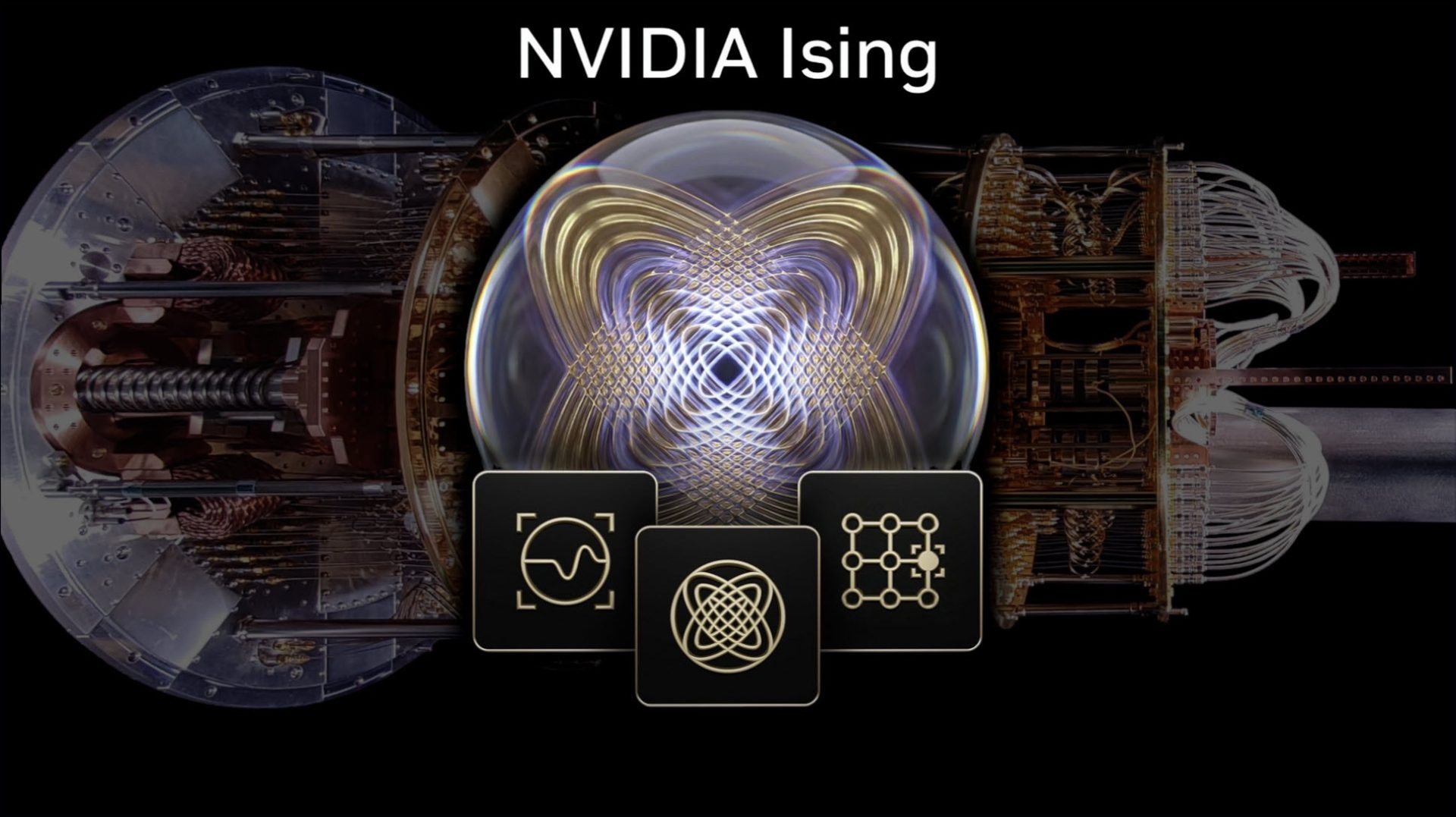
NVIDIA has introduced Ising, a suite of open AI models designed specifically for quantum computing workloads. These models run on existing quantum hardware, lowering the barrier to entry while delivering performance gains that were previously out of reach for all but the largest research institutions.
The breakthrough lies in how these models interpret quantum data. Traditional quantum algorithms often require deep expertise and custom coding, but Ising abstracts much of that complexity. It translates high-dimensional quantum states into a format that classical AI can process efficiently, effectively bridging two computing paradigms.
That’s the upside—here’s the catch: the models are optimized for specific workloads, such as molecular dynamics or optimization problems, rather than being general-purpose tools. They don’t replace full-scale quantum computers but instead act as accelerators for tasks that benefit from hybrid classical-quantum approaches.
Performance improvements are measurable. NVIDIA claims a 10x speedup in certain simulation scenarios compared to purely classical methods, with minimal overhead on existing quantum processors. The models are available now under an open license, allowing researchers and enterprises to integrate them without proprietary constraints.
A shift like this could reshape IT strategy for organizations invested in quantum-ready infrastructure. No longer is quantum computing a niche experiment; it’s becoming a practical extension of AI workflows, provided the underlying hardware can keep pace with the models’ demands.