China’s push to bolster domestic semiconductor production has taken a concrete step forward with plans for three new fabrication plants—each designed to churn out 100,000 wafers per month. Combined, they will target a monthly output of 300,000 wafers, a figure that underscores the scale of the effort but also the hurdles ahead.
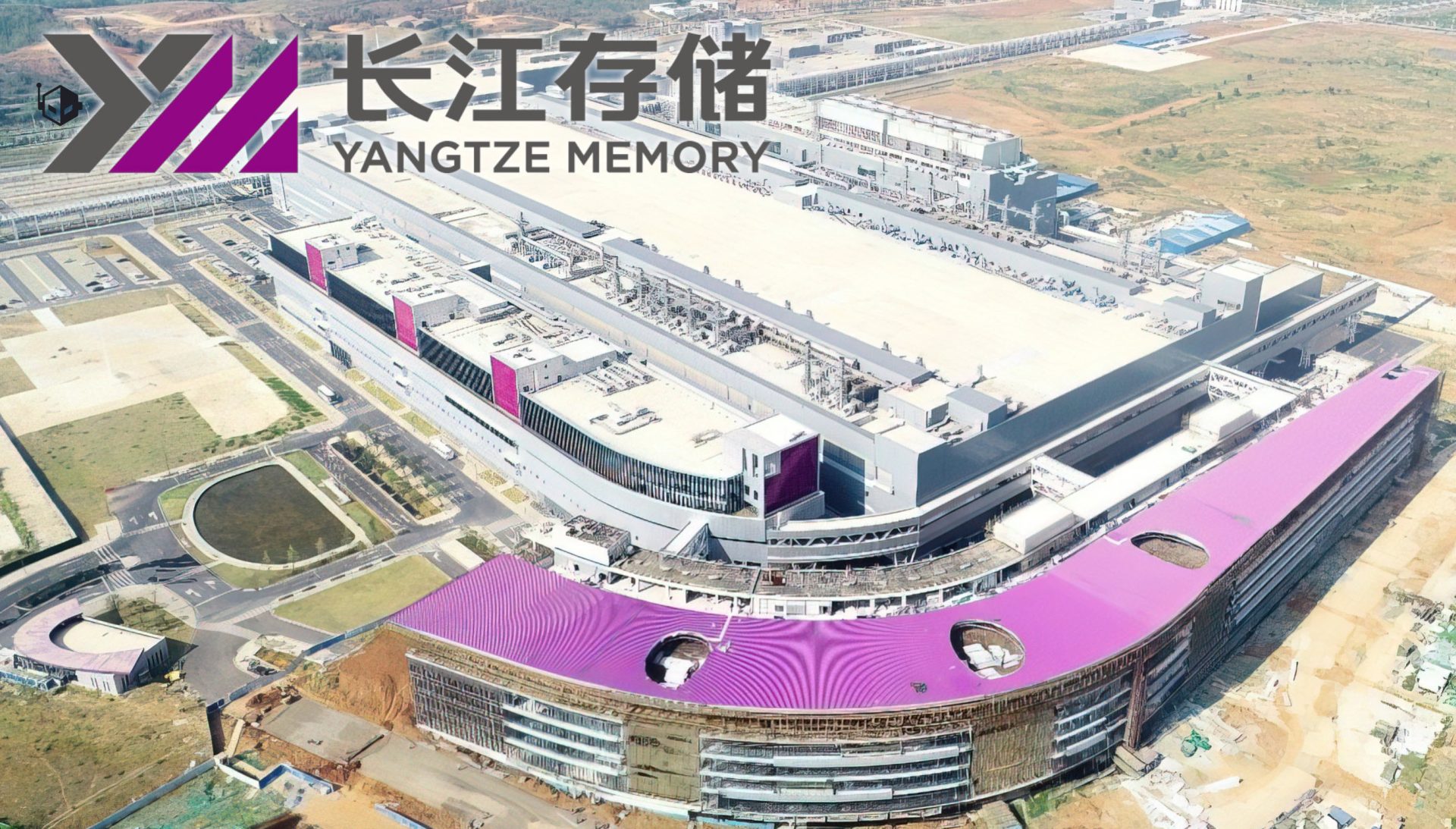
The initiative, centered on Yangtze Memory Technologies Co. (YMTC), is part of a broader strategy to reduce reliance on foreign chip supplies, particularly amid tightening US restrictions. While the goal is clear—expanding domestic capacity—the path forward remains uncertain, balancing speed against the complexities of advanced manufacturing.
The new fabs will be built in China’s eastern provinces, leveraging existing infrastructure while pushing the boundaries of what can be achieved locally. YMTC, a state-backed entity, has already established itself as a key player in memory chip production, but scaling to this level introduces both technical and logistical challenges.
One implicit question lingers: Can China execute this expansion without encountering setbacks? The answer will depend on factors beyond manufacturing—supply chain stability, talent retention, and the ability to integrate cutting-edge processes. These are not trivial concerns, especially when global competition in semiconductors is as fierce as ever.
The 300,000-wafer target is a benchmark, but its significance lies less in the number itself and more in what it represents—a shift toward self-sufficiency that could reshape the industry landscape. For now, the focus remains on execution: proving that ambition can translate into tangible results without overpromising.
The stakes are high. Semiconductors have become a critical battleground between technological independence and geopolitical constraints. China’s move is a response to those pressures, but whether it will redefine the market or face unforeseen obstacles remains an open question. The coming years will reveal which path it takes.