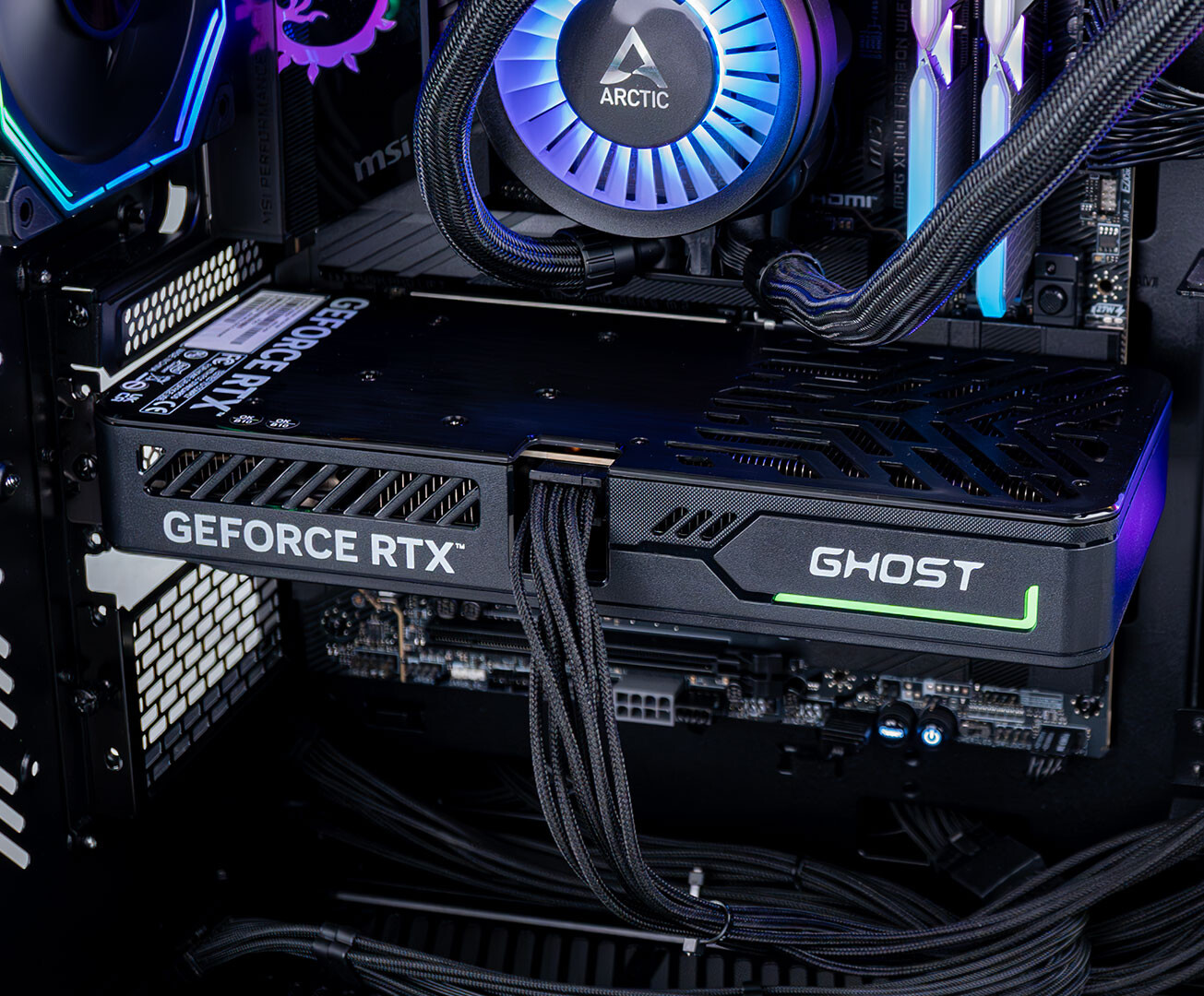
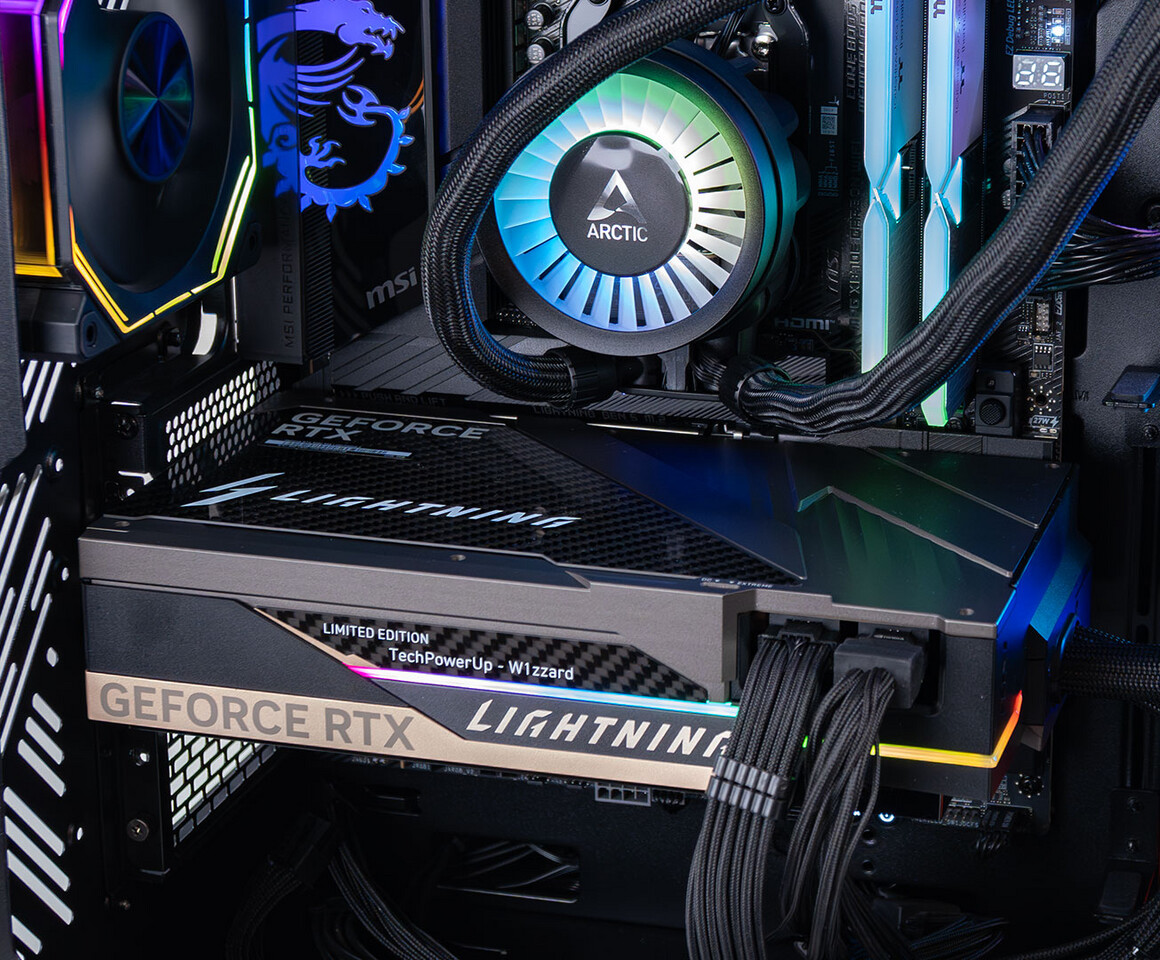
NVIDIA’s shift to a 16-pin connector for its high-end GPUs has become a defining moment in the gaming hardware landscape. While it delivers the power needed for today’s most demanding workloads, it also introduces complexities that users must navigate carefully if they want to avoid stability issues down the line.
The 16-pin design, introduced with the RTX 40 series, was a necessity rather than a choice. As GPU architectures became more advanced—packing in more CUDA cores, higher VRAM capacities, and more efficient power delivery—the 8-pin connector simply couldn’t keep up. The new standard supports up to 600 watts of power delivery, nearly double the previous limit, which was sufficient for earlier generations like the RTX 3090 but falls short for the RTX 4090 and its peers.
What’s Changed—and What It Means for Your Build
- Increased Power Capacity: The 16-pin connector allows GPUs to draw significantly more power, enabling higher performance in rendering, AI workloads, and gaming. However, this also means that the GPU itself generates more heat, requiring better cooling solutions to prevent throttling.
- Compatibility Challenges: Older power supplies (PSUs) with only 8-pin connectors won’t work, forcing users to upgrade their entire system if they want to take advantage of the latest GPUs. This isn’t just about swapping a cable—it’s about ensuring that the PSU can handle sustained high loads without fluctuations.
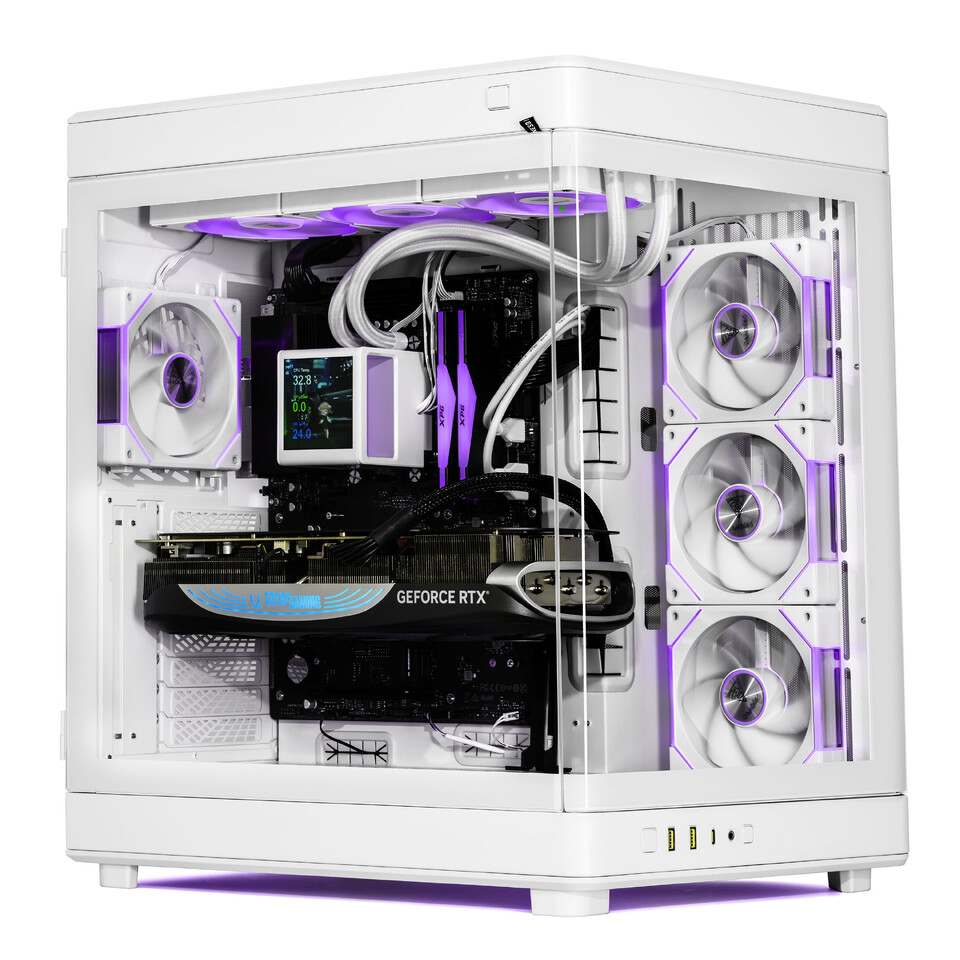
- Thermal Management Demands: Higher power draw translates to more heat, which can strain cooling systems if not properly managed. Users may need to invest in premium air coolers or liquid cooling setups to maintain stable temperatures under load.
The result is a tradeoff that power users must consider carefully. On one hand, the 16-pin connector unlocks access to GPUs with more VRAM, better ray tracing performance, and improved efficiency in tasks like AI training. On the other, it demands a more robust system—one that can handle not just the raw power but also the thermal output without compromising longevity.
Why This Matters for Long-Term Reliability
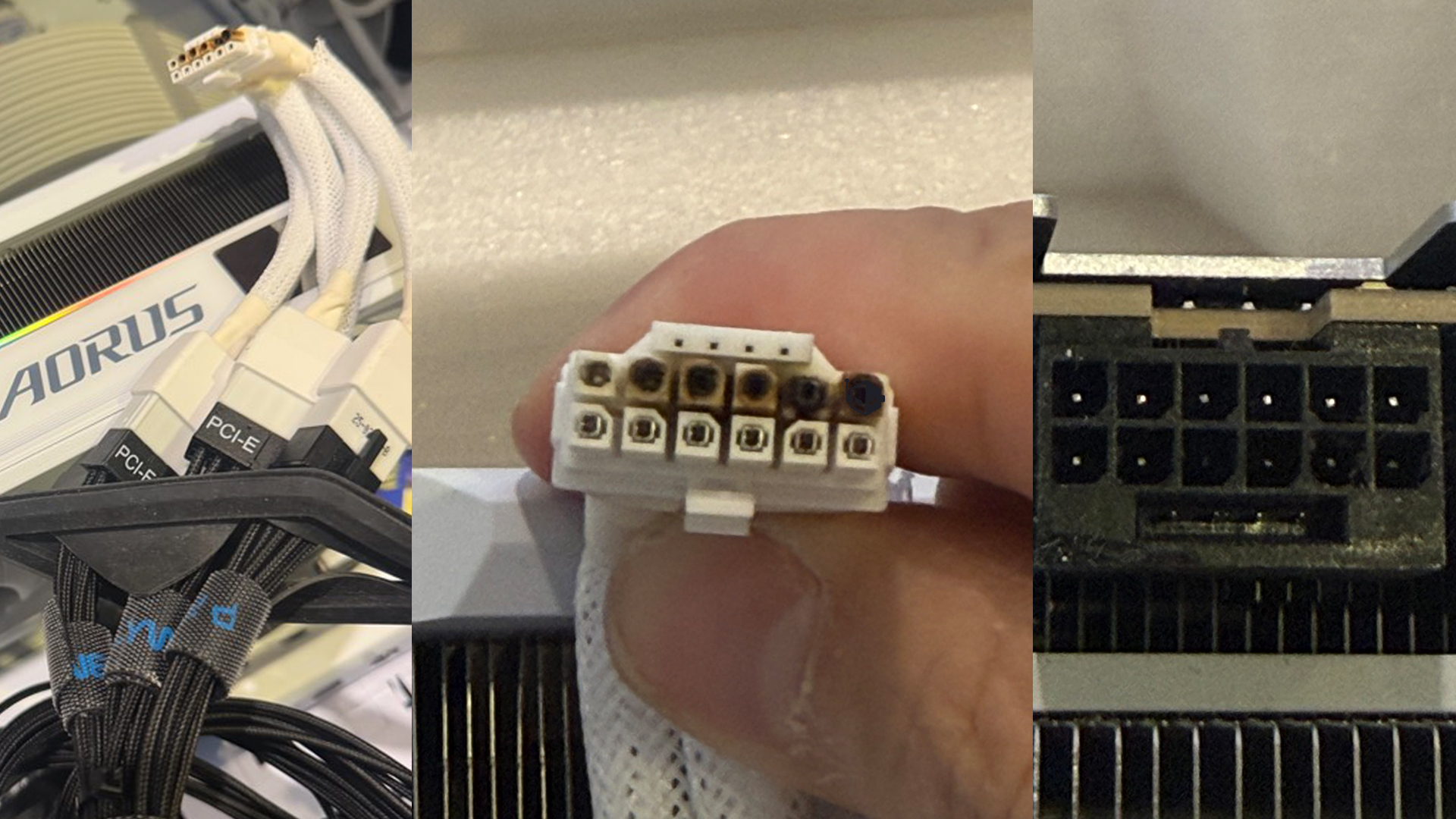
For users who prioritize performance over cost, the 16-pin connector is a non-negotiable upgrade. But those who aren’t willing to invest in higher-end PSUs or cooling solutions may find themselves facing unexpected issues—thermal throttling, power delivery instability, or even premature hardware failure.
Warranty claims for NVIDIA’s latest GPUs have risen noticeably since the shift to 16-pin connectors, suggesting that not all systems are built to handle the new demands. This isn’t just about the GPU itself; it’s about how well the entire system—PSU, cooling, case airflow—can work together under sustained high loads.
Looking Ahead: Will Stability Catch Up?
The market is still adjusting to this change. Some users have embraced the 16-pin standard with open arms, upgrading their PSUs and cooling setups to match. Others are taking a wait-and-see approach, monitoring how NVIDIA addresses stability concerns in future driver updates or hardware revisions.
In the end, the 16-pin connector represents more than just an upgrade—it’s a shift in how power users approach system design. It forces them to think beyond benchmarks and consider long-term reliability, thermal efficiency, and power delivery as critical factors. For those willing to invest in the right components, the rewards are clear: access to the most powerful GPUs on the market. But for others, it may be a step too far, highlighting the fine line between pushing performance limits and risking system stability.