The RTX 50 series from NVIDIA marks a turning point in GPU design, where memory selection is no longer optional but a critical decision point for enterprise buyers. The RTX 5090, the top-tier model, now requires DDR5 to deliver its full 32 GB of GDDR6 memory, while the RTX 5070 and RTX 5060 offer more flexibility—but at a steep cost if users want to match the high-end performance.
- RTX 5090: 32 GB GDDR6 (DDR5), 512 GB storage baseline
- RTX 5070: 16 GB GDDR6 (DDR4 or DDR5), 512 GB storage baseline
- RTX 5060: 8 GB GDDR6 (DDR4 only), 512 GB storage baseline
The shift to DDR5 as the default for high-end GPUs means that enterprise users, particularly those in AI and professional rendering, must now factor in memory costs that were once negligible. The RTX 5090’s 32 GB GDDR6 configuration, paired with a mandatory DDR5 requirement, pushes the price point significantly higher than previous generations. Meanwhile, the RTX 5070 offers a more balanced approach, allowing DDR4 or DDR5, but even here, the 16 GB option feels increasingly outdated as workloads demand more memory.
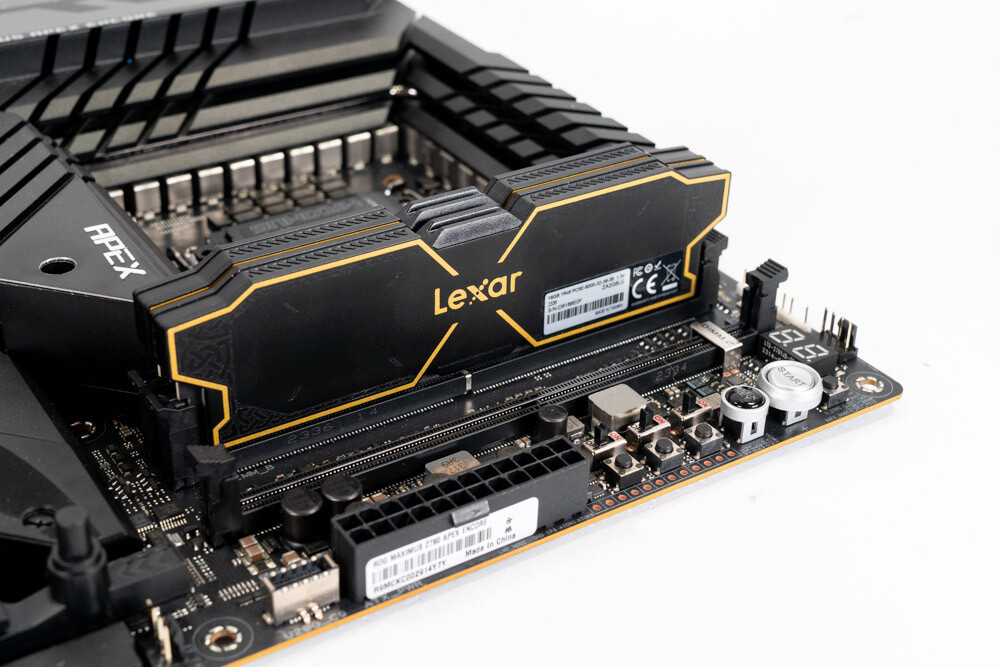
The 512 GB storage baseline across all models is a notable change, ensuring that users have ample space for large datasets without sacrificing performance. However, the real challenge lies in the memory tiering. DDR5’s dominance in high-end GPUs means that enterprise buyers must now decide whether to invest in faster memory to future-proof their systems or accept potential bottlenecks with DDR4. This decision is no longer just about speed—it’s about whether they can afford to run at full capacity.
Pricing remains a key concern, as the AI-driven demand for high-end GPUs has already begun to reshape the market. While exact figures are still unclear, it’s evident that the cost of 16 GB RAM will no longer be a viable minimum for professional users. The RTX 50 series forces buyers to think holistically about their investments, balancing memory and storage in ways that were previously uncommon.
This new era of GPU design signals that memory and storage are now inseparable concerns for enterprise buyers. The question is whether the market can adapt without pushing costs even further out of reach, leaving users with a difficult choice: pay more for performance or accept limitations that could hinder productivity in the long run.