Apple is set to disrupt the premium smartphone landscape with the iPhone 18 Pro, a device that could mark a turning point in how tech giants price their flagship offerings. Sources indicate Apple may hold the line on pricing for an extended period, a move that could stabilize its market position while forcing competitors to either match or exceed feature sets without comparable price increases.
This strategy goes beyond mere cost control—it’s about ecosystem dominance. By maintaining stable prices in a market where inflation pressures typically drive up costs, Apple could secure a larger share of the premium segment. However, the approach raises questions about consumer choice and innovation within the iOS ecosystem. If Apple avoids annual price hikes while rivals scramble to add more features at higher costs, buyers may find themselves with fewer options, and developers could see a narrower range of devices to target.
A Simplified Lineup with Strategic Tradeoffs
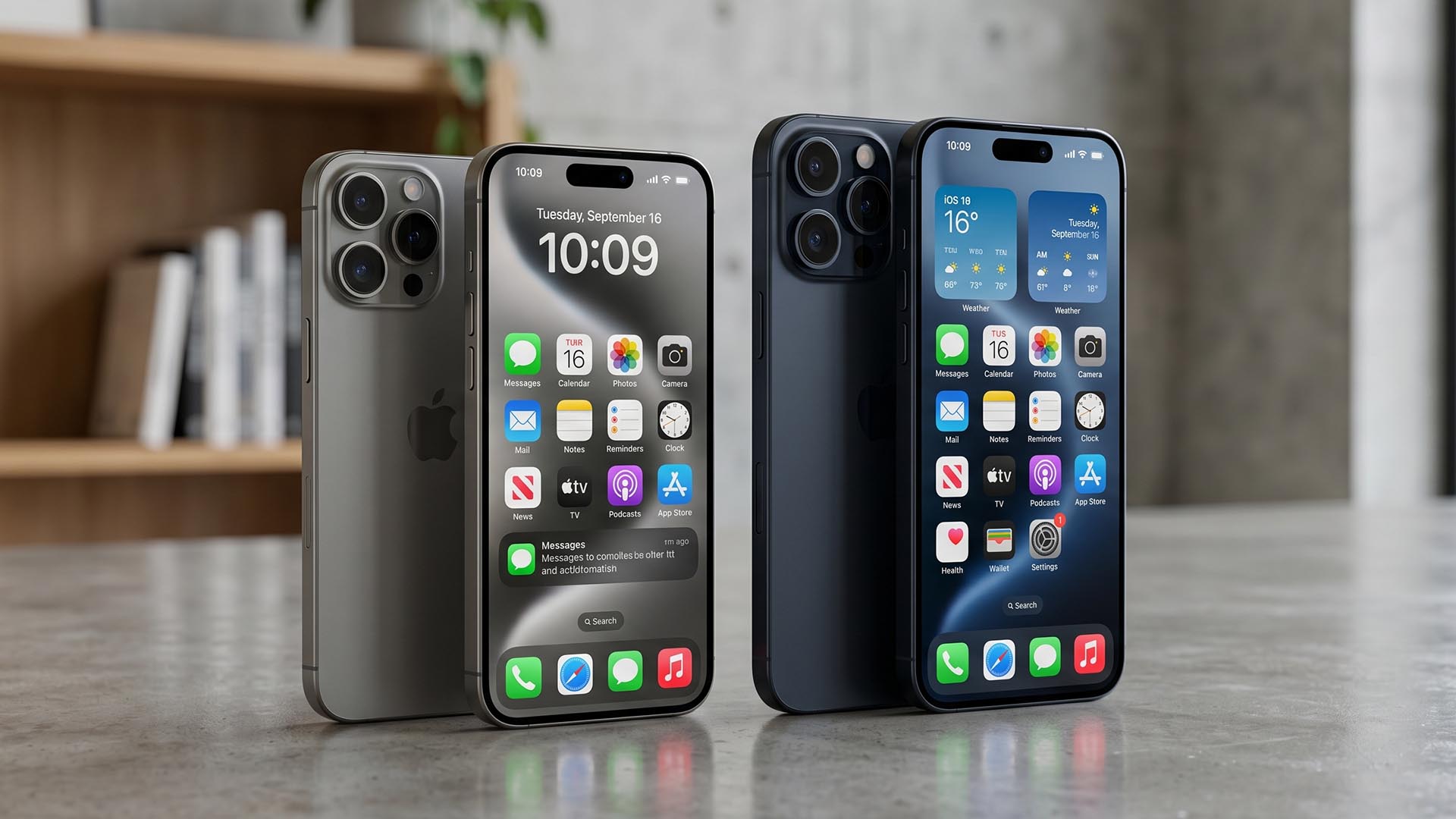
- Single Pro Model: Reports suggest Apple will drop the traditional Pro and Pro Max variants in favor of one unified iPhone 18 Pro. This simplification could streamline production but may leave users who prioritize larger displays or additional storage capacity without tailored options.
- Performance Leap: Speculation points to a significant advancement in chip performance, potentially with the A20 series, which could deliver substantial improvements in speed and efficiency while maintaining battery life. This focus on performance could help justify the premium positioning without price increases.
The implications for Apple’s ecosystem are complex. On one hand, a single Pro model could reduce complexity for both users and developers, making it easier to support software updates across a unified hardware platform. On the other, the absence of a Pro Max variant could disappoint power users who rely on larger screens or expanded storage, while the lack of a mid-range Pro option may leave a gap in Apple’s lineup that competitors could exploit.
Broader Implications for the Market
The iPhone 18 Pro’s strategy could have far-reaching effects beyond Apple’s product line. If competitors are forced to chase feature arms races without price increases, they may struggle to justify higher costs to consumers. This could lead to a market where performance and innovation stagnate unless new features are bundled in ways that don’t inflate prices—an unlikely scenario given current industry trends.
For developers, the shift to a single Pro model means fewer hardware targets, which could simplify app optimization but may also reduce incentives for innovation if there’s less diversity in device capabilities. Meanwhile, users who rely on Apple’s ecosystem for long-term software support may find that stability comes at the cost of reduced flexibility.
Ultimately, the success of this strategy hinges on Apple’s ability to deliver meaningful performance gains without raising prices—a challenge that will test its engineering prowess and market influence. If it succeeds, the iPhone 18 Pro could become a benchmark for how premium smartphones are priced and positioned in the future. But if competitors respond with aggressive feature additions or pricing strategies, Apple may find itself playing catch-up rather than setting the pace.
The iPhone 18 Pro isn’t just about hardware; it’s about controlling the narrative of premium smartphone innovation. Whether this pivot will benefit consumers, developers, or both remains to be seen, but one thing is certain: the market will watch closely as Apple attempts to redefine the rules of the game.