NVIDIA’s upcoming RTX 5060 and 5060 Ti GPUs are set to redefine the budget segment of the graphics market, but not necessarily in the way performance-focused users might hope. The key change lies in their memory configuration: both models will ship with 9 GB of GDDR7 VRAM, arranged across three 3 GB modules on a 96-bit bus instead of the more common 128-bit setup. This shift is intended to cut costs for NVIDIA while addressing the needs of budget-conscious consumers, but it comes at a notable tradeoff—reduced memory bandwidth and, by extension, lower real-world performance in memory-intensive workloads.
The decision to downsize the memory bus from 128-bit to 96-bit is particularly striking. By adopting newer 24 Gbit GDDR7 chips, NVIDIA reduces the overall bill of materials (BOM) cost, a critical factor in today’s market where DRAM prices remain volatile. However, this change also limits the total memory bandwidth to 336 GB/s, down from the 512 GB/s seen on the RTX 5070 and higher-tier models. For creators working with large textures or high-resolution assets, this could translate into slower rendering times or more frequent RAM bottlenecks.
This isn’t an isolated move. Earlier this year, NVIDIA announced a similar approach for the RTX 5050, which also uses 9 GB of VRAM to balance affordability and performance. The pattern suggests that NVIDIA is deliberately segmenting its lineup, offering models tailored to budget-conscious buyers while reserving higher-end specs for professional or enthusiast-grade cards like the RTX 5070 and RTX 5090.
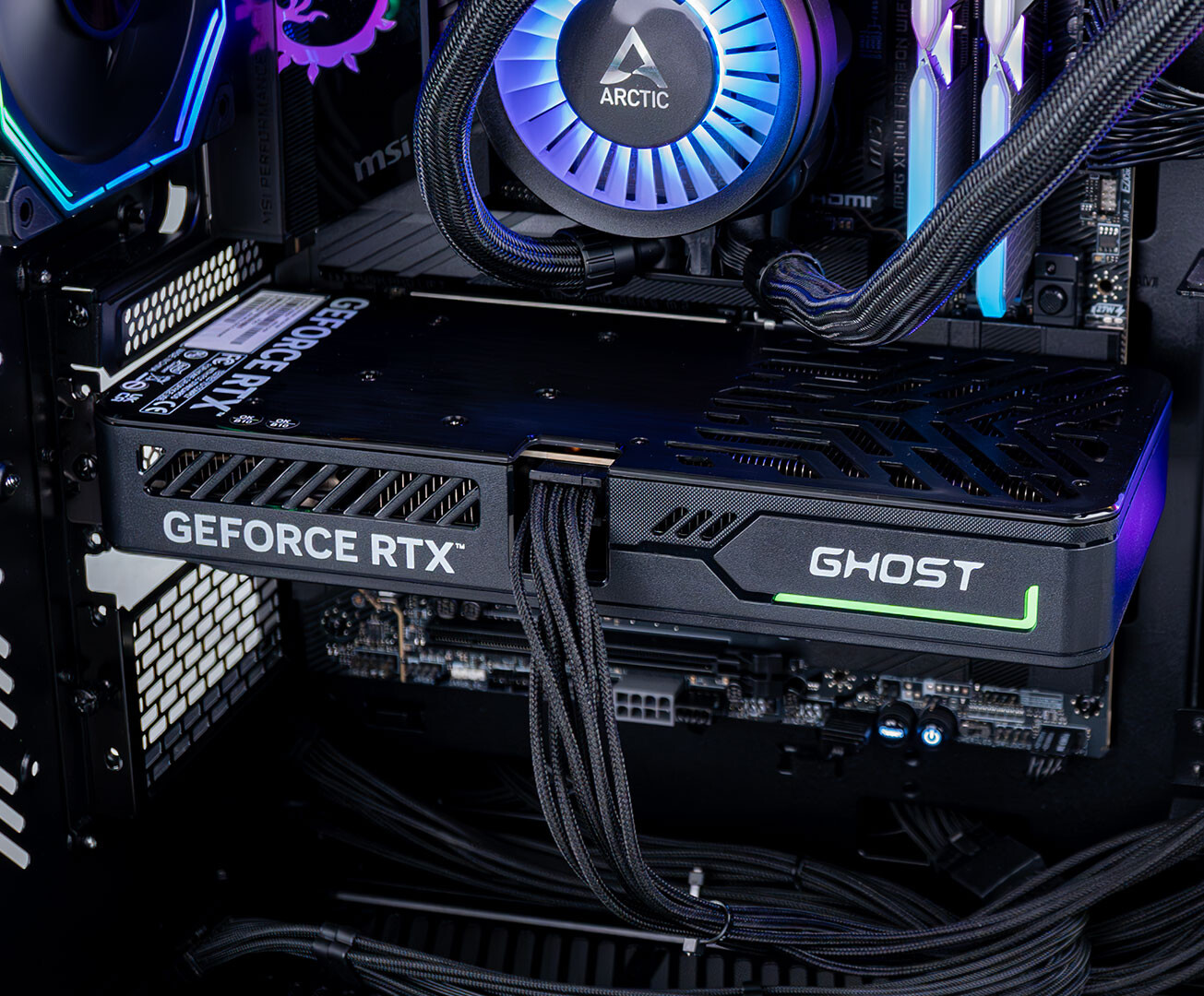
The implications for users are clear: if you’re targeting the RTX 5060 or 5060 Ti, expect a card that prioritizes cost efficiency over raw power. It will be well-suited for 1080p gaming, light content creation, and tasks where VRAM demands don’t exceed 9 GB. However, for users pushing higher resolutions or working with memory-intensive workloads—such as real-time ray tracing or AI-accelerated rendering—the limitations of a 96-bit bus will become apparent. This isn’t a card that will challenge the RTX 5070’s dominance in performance; instead, it carves out a niche for those who need NVIDIA’s software features (like DLSS) without the premium price tag.
As for timing, industry speculation points to a launch window between May and June, possibly tied to Computex. While no official pricing has been confirmed, the cost-saving measures suggest these models will sit at the lower end of NVIDIA’s RTX 50-series lineup, likely competing with AMD’s RDNA 3 offerings in the sub-$400 range. Buyers should brace for a card that offers solid performance within its constraints but doesn’t aim to redefine benchmarks.