For years, the choice between LCD and OLED displays on iPads was largely symbolic—until now. Apple’s decision to adopt OLED in nearly all its tablet lineup, except for the base model, marks a turning point that will affect how users approach upgrades, performance, and even budgeting.
OLED has already proven its worth in iPhones, delivering richer colors, smoother blacks, and improved battery efficiency. But on iPads, where screen real estate is larger and workloads more demanding, the transition carries additional implications. For PC builders, this shift means evaluating whether OLED’s advantages justify the investment today—or if waiting for future refinements could be smarter.
The Divide: Premium vs. Entry-Level
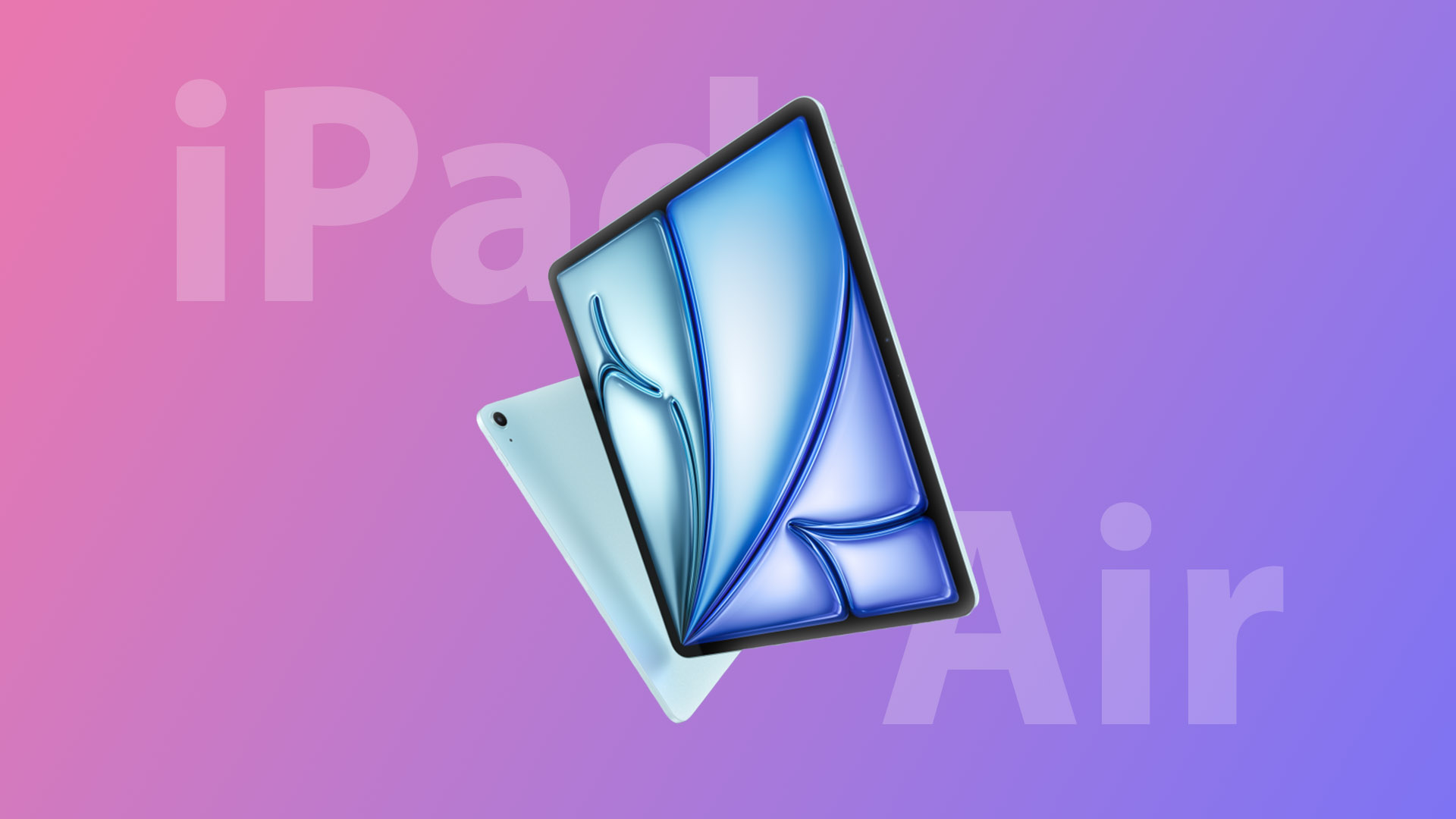
Apple’s strategy creates a clear bifurcation in its iPad ecosystem. The iPad Pro, iPad Air, and standard iPad models will soon be OLED-first, while the base model remains LCD-only. This isn’t just about screen technology; it reflects a broader trend where Apple prioritizes premium features in higher-tier devices while maintaining affordability elsewhere.
- OLED is confirmed for iPad Pro, iPad Air, and standard iPad models by next year.
- The base model will continue using LCD, preserving its low-cost positioning.
What’s Gained—and What’s Uncertain
The benefits of OLED are undeniable: brighter displays with higher contrast ratios, more vibrant colors, and better power efficiency. These improvements are particularly noticeable in creative workflows or media consumption, where screen quality directly impacts productivity.
However, the transition also introduces uncertainty. Will future software updates or accessories—such as stylus pens or display calibration tools—require OLED? Apple has yet to confirm whether it will support both technologies indefinitely, leaving users to wonder if their current investment could become obsolete sooner than expected.
A Shift with Long-Term Ramifications
For enthusiasts and professionals, the move to OLED aligns with Apple’s broader push toward high-performance hardware. But for budget-conscious users or those who prioritize longevity over cutting-edge features, the base model remains a viable alternative—at least for now.
The real question is whether this transition will accelerate the need for upgrades. If OLED becomes a standard that future-proofs devices in ways LCD cannot, users may find themselves reconsidering their choices sooner than anticipated. Conversely, if Apple maintains backward compatibility, the divide between premium and entry-level models could solidify, making the base model a niche option.
Looking Ahead
The OLED shift is part of a larger evolution in Apple’s ecosystem, where screen technology plays an increasingly critical role. Whether this change will benefit users or create new challenges depends on how Apple manages the transition—and whether it continues to innovate without leaving anyone behind.