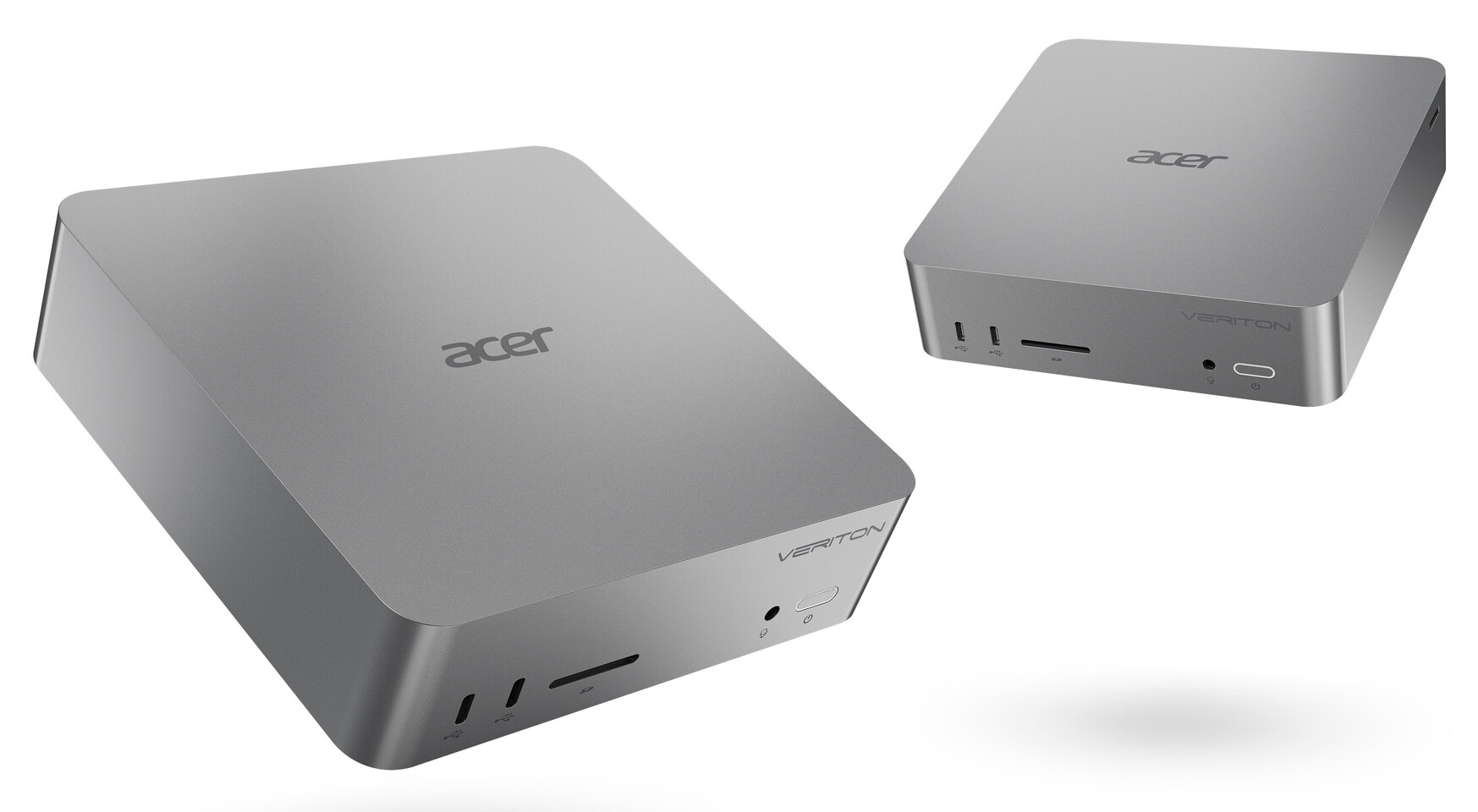
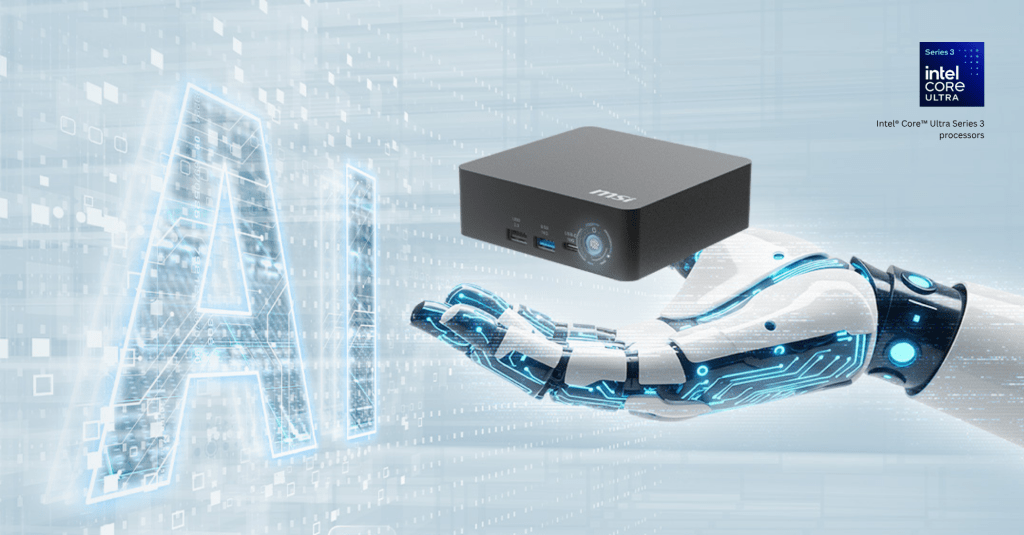
A mini PC that fits in the palm of your hand yet delivers the horsepower to run AI workloads—this is MSI’s Cubi NUC AI+ 3MG. It’s not just about raw specs; it’s a test case for how far mini PCs can go while keeping operational costs in check.
The device measures just 175 x 108 x 94 mm, yet inside that tiny footprint lies an Intel Core Ultra 7 processor (based on Meteor Lake), up to 32 GB of LPDDR5X RAM, and a PCIe 5.0 SSD slot. For developers, the real question isn’t whether it’s powerful enough—it’s whether it can deliver that power at a price point that makes sense for production environments.
Why This Matters for Developers
The Cubi NUC AI+ 3MG isn’t just another mini PC. Its architecture is designed to bridge the gap between consumer devices and professional-grade hardware. The use of PCIe 5.0, for example, allows for faster data transfer, which is critical in AI development where bandwidth can be a bottleneck. But efficiency is key here—running on a TDP as low as 12W, it avoids the thermal throttling that often plagues high-performance systems.
Specs That Stand Out
- Intel Core Ultra 7 processor (Meteor Lake-based)
- Up to 32 GB LPDDR5X RAM (2400 MT/s)
- PCIe 5.0 SSD slot
- 12W TDP, passive cooling capable
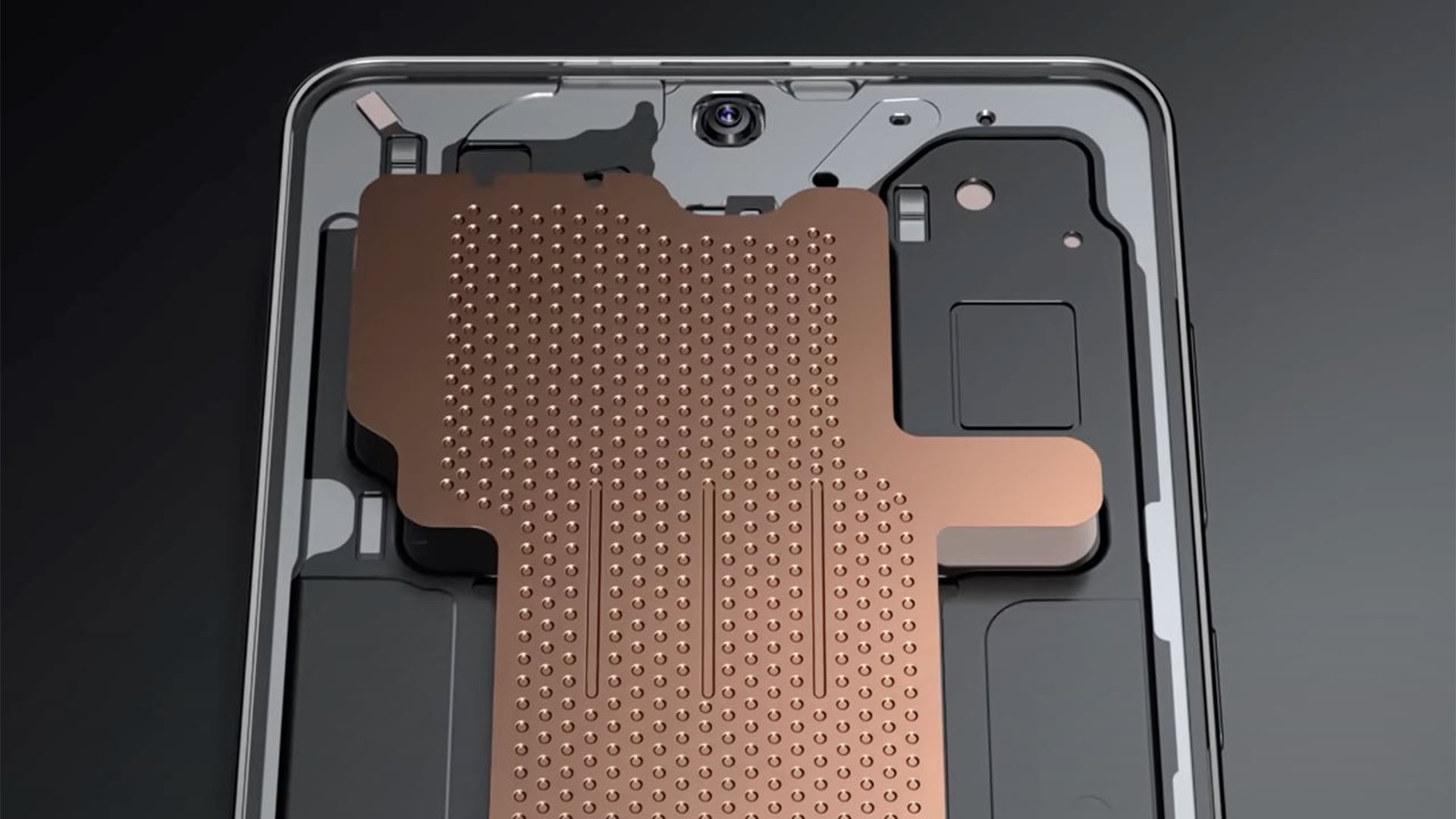
The passive cooling aspect is notable. Most high-performance systems require active cooling, which adds to power consumption and operational costs. The Cubi NUC AI+ 3MG, however, can run without a fan in many scenarios, reducing noise and energy use—both critical factors in data centers or developer workstations.
Pricing and Supply: The Unanswered Questions
The challenge for developers isn’t the hardware itself but what comes next. Pricing hasn’t been officially announced, which leaves a significant unknown. If the Cubi NUC AI+ 3MG follows the trend of other mini PCs, it could be positioned as a premium device, making it less viable for large-scale deployments. Supply is another concern; while MSI has a reputation for reliability, the global supply chain remains unpredictable.
For now, the focus should be on what’s confirmed: the hardware is capable, efficient, and designed with AI workloads in mind. The rest—pricing, availability, and real-world performance—will determine whether this tiny chassis becomes a staple in developer setups or remains a niche curiosity.