NVIDIA's production lines for the RTX 5060 Ti 8 GB will go silent for two weeks starting at the end of April, marking a deliberate pause to counter oversupply and stabilize entry-level GPU pricing. The timing suggests NVIDIA is recalibrating its supply strategy in response to shifting market conditions, with implications for both third-party vendors and consumers.
This isn't an isolated incident but part of a pattern of production adjustments across the RTX 50-series lineup. Earlier reports hinted at potential cuts to RTX 5070 Ti output, while whispers from industry channels now point to a possible reintroduction of a 9 GB variant for both the RTX 5060 and 5060 Ti—likely surfacing around May or June. The 8 GB pause, if confirmed, would create artificial scarcity to prevent further price erosion, a tactic that mirrors NVIDIA's response to similar pressures in previous generations.
For IT teams managing GPU inventories, this shift introduces short-term supply uncertainty while potentially paving the way for a more competitive 9 GB option. The move also raises questions about whether NVIDIA will extend these production adjustments to other models, particularly as demand from AI workloads continues to reshape the market landscape.
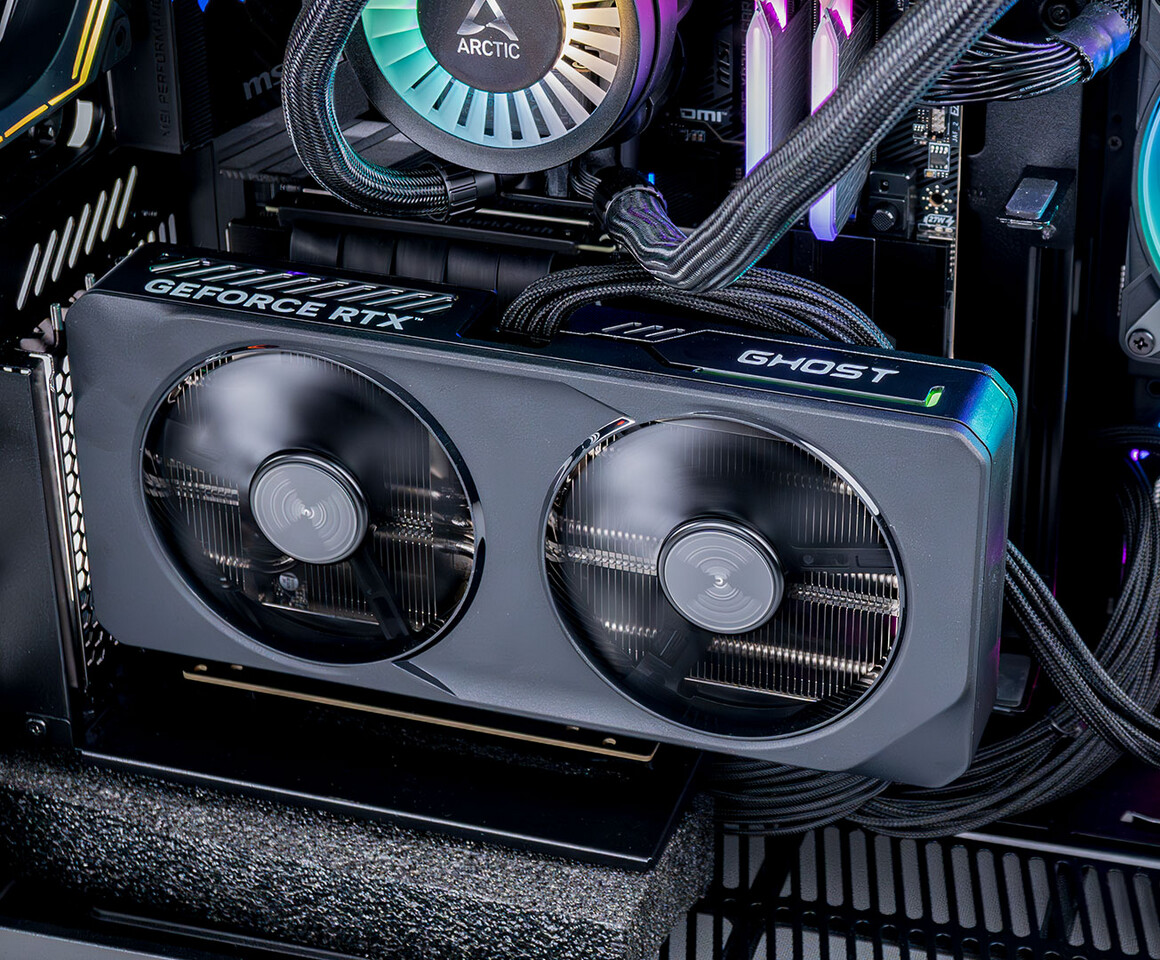
- Key specs:
- - RTX 5060 Ti 8 GB: Production pause in late April
- - Potential 9 GB variant for RTX 5060 and 5060 Ti (May/June)
- - RTX 5070 Ti and RTX 5090 remain in production
The 8 GB pause is expected to last only two weeks before resuming, though the broader implications for pricing and availability will depend on how quickly NVIDIA can balance supply with demand. If the 9 GB variant materializes, it could offer a middle ground between the current 8 GB models and higher-end options like the RTX 5070 Ti or RTX 5090, which continue production without reported interruptions.
For now, buyers should monitor third-party vendor stock levels closely, as the pause may lead to temporary shortages. NVIDIA's long-term strategy appears focused on maintaining market stability while preparing for the next generation of GPUs, with Rubin-based RTX 60-series models already on the horizon. The company's ability to navigate these transitions will be a critical factor in sustaining its dominance in both consumer and professional markets.