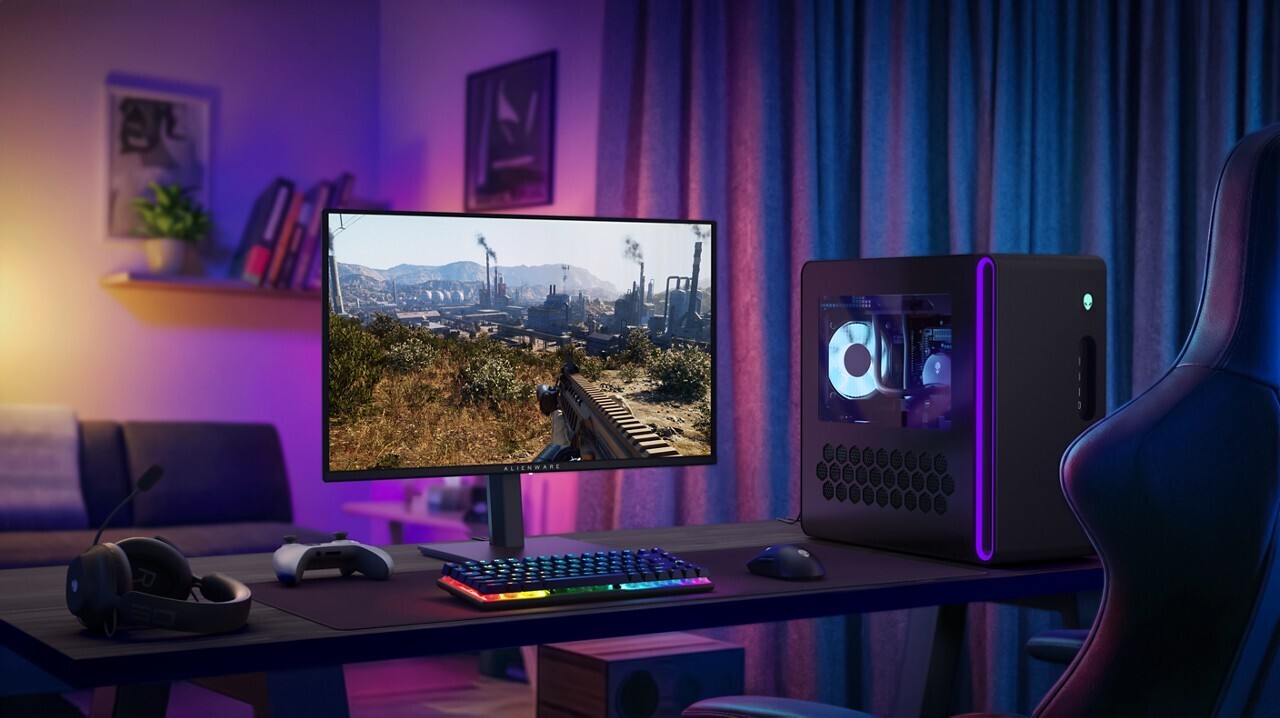
The Predator X27 2K OLED is redefining what gamers should expect from a high-refresh OLED monitor, all while staying below $400—a price that has long been associated with mid-range LCD displays. This isn’t just about speed; it’s about delivering a package that blends cutting-edge performance with practicality, making it a compelling choice for competitive players and content creators alike.
At its core, the Predator X27 features a 27-inch OLED panel with a native resolution of 2560x1440 (2K), a refresh rate of 280Hz, and a response time of 1ms (MPRT). The latter is particularly noteworthy because it eliminates motion blur, ensuring that fast-paced games like first-person shooters or racing sims feel smooth and responsive. This level of performance is usually reserved for monitors priced significantly higher, often exceeding $500 for comparable OLED displays.
Brightness is another area where the Predator X27 stands out. It achieves 800 nits of HDR10 brightness, which is more than enough to handle bright gaming environments or HDR content without sacrificing detail or color accuracy. For gamers who rely on clear visibility in fast-paced scenarios, this means less eye strain and better visual clarity—critical factors that often get overlooked in favor of raw refresh rates.
The monitor’s design is compact, which helps it fit seamlessly into most desk setups without taking up excessive space. However, the stand is notably basic, offering no height or tilt adjustments beyond a fixed position. This could be a drawback for users who prioritize ergonomics, as it limits the ability to customize viewing angles or reduce neck strain during long sessions.

While 280Hz is an impressive figure on paper, its real-world impact depends heavily on the hardware being used. Most current GPUs struggle to maintain consistent frame rates at this resolution and refresh rate, meaning the immediate benefit is more about future-proofing than instant performance gains. That said, as next-generation GPUs emerge with higher output capabilities, the Predator X27 will be well-positioned to take advantage of those advancements without requiring a costly upgrade.
Power efficiency is another advantage worth noting. OLED panels are inherently more efficient than LCDs because each pixel self-lights, reducing overall power consumption even when running at high brightness or refresh rates. This translates to lower heat output and longer panel lifespans, though static elements like HUDs remain a concern for potential burn-in over time.
The Predator X27 is currently listed at $380, with no confirmation of restocks beyond an initial batch. Given the monitor’s competitive pricing and performance, it’s likely to sell out quickly if demand follows the trend of previous high-refresh OLED releases. For those who act fast, this could be an opportunity to secure a premium gaming experience without breaking the bank.
Ultimately, the Predator X27 2K OLED is a testament to how far OLED technology has come in terms of accessibility and performance. It doesn’t just meet expectations—it redefines them, offering a glimpse into what gamers can expect from monitors in the years to come.