NVIDIA’s latest GPU release represents more than just another step in graphics processing—it is a milestone that bridges two eras: one defined by incremental performance gains and another where artificial intelligence reshapes the very purpose of hardware. The company’s trajectory suggests it would have remained a dominant force even if AI had never emerged, yet the technology has accelerated its rise to unprecedented scale.
At the core of this shift is a fundamental rethinking of what GPUs can achieve. Historically, NVIDIA’s roadmap was built on pushing clock speeds and memory bandwidth, aiming for faster frame rates or more complex simulations. Today, that same architecture is repurposed to handle the massive parallel workloads of AI training and inference, turning graphics cards into the backbone of machine learning infrastructure.
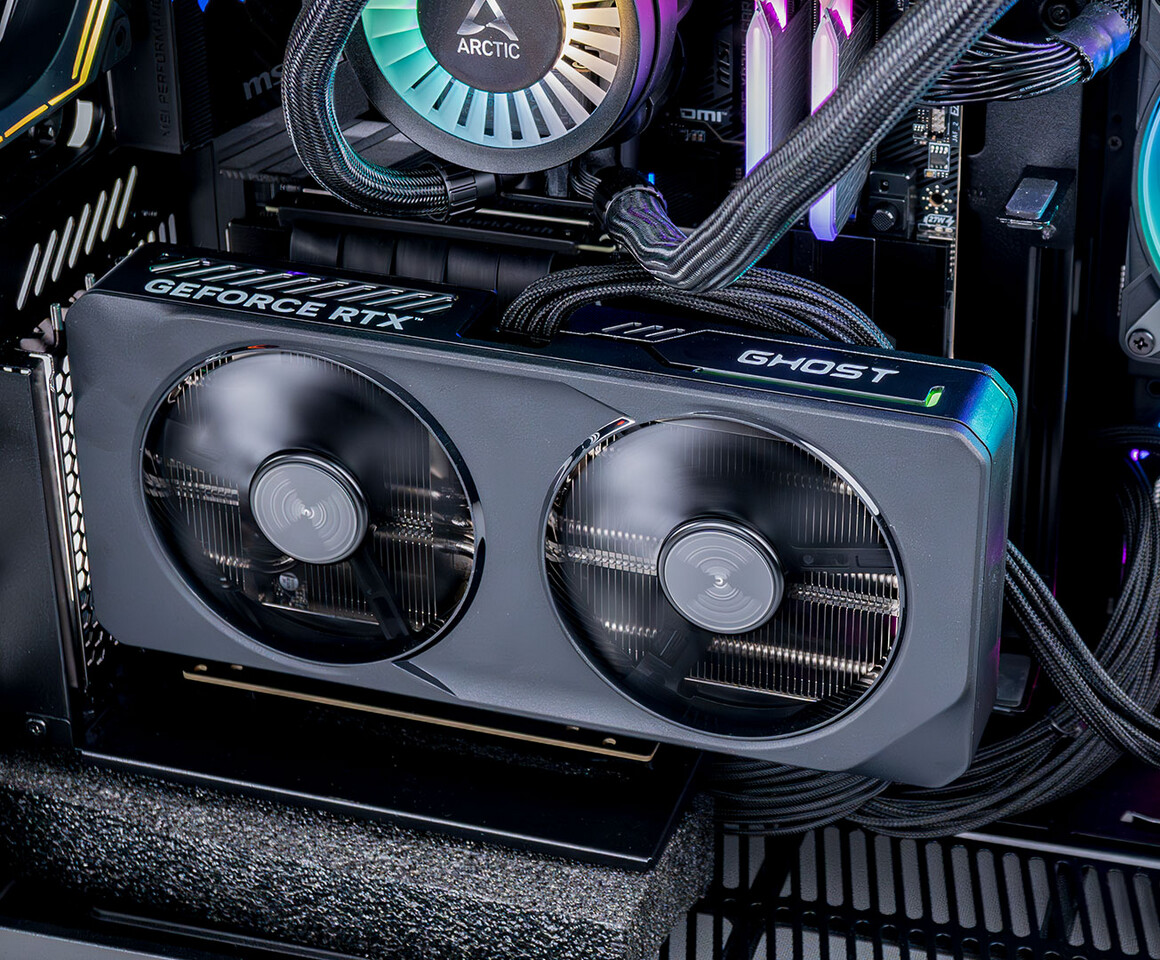
The latest generation introduces a new level of integration, with dedicated hardware blocks optimized for neural network acceleration while maintaining backward compatibility for traditional gaming and professional workloads. This dual capability reflects NVIDIA’s strategy: to evolve its core product line without abandoning its foundational markets. The result is a GPU that can serve as both a high-end graphics solution and a workhorse for AI development, blurring the lines between consumer and enterprise applications.
AI as a Catalyst, Not an Origin
The narrative around NVIDIA often ties its success to AI, but industry observers note that the company’s dominance was already well-established before deep learning became mainstream. Its CUDA platform, introduced in 2007, laid the groundwork for GPU computing, proving that GPUs could handle more than just rendering. By the time AI surged in the late 2010s, NVIDIA was already positioned as the leader in accelerated computing.

Yet AI has acted as a force multiplier, compressing years of incremental growth into a few rapid-fire advancements. The shift from Pascal to Volta to Ampere architectures, for example, was driven by demands from researchers and data centers rather than just gamers or content creators. This realignment has allowed NVIDIA to expand its market reach exponentially, entering sectors like cloud computing, autonomous vehicles, and scientific research where GPUs were once a niche tool.
Key Takeaways for Buyers
- The latest GPU architecture balances AI acceleration with traditional performance, making it versatile for both cutting-edge research and everyday use.
- NVIDIA’s long-term strategy remains focused on hardware evolution, even as AI redefines its application landscape.
- For creators and developers, the upgrade path is clear: newer models offer significant efficiency gains without sacrificing compatibility with existing software ecosystems.
The broader implication for buyers is a more nuanced decision-making process. No longer can GPUs be evaluated solely on raw performance metrics; their ability to integrate into AI workflows has become equally critical. This shift may influence upgrade cycles, particularly in professional fields where AI adoption is accelerating. For now, NVIDIA’s roadmap suggests it will continue to navigate this dual landscape, ensuring that its hardware remains relevant whether AI is a driving force or merely one of many demands on modern computing power.