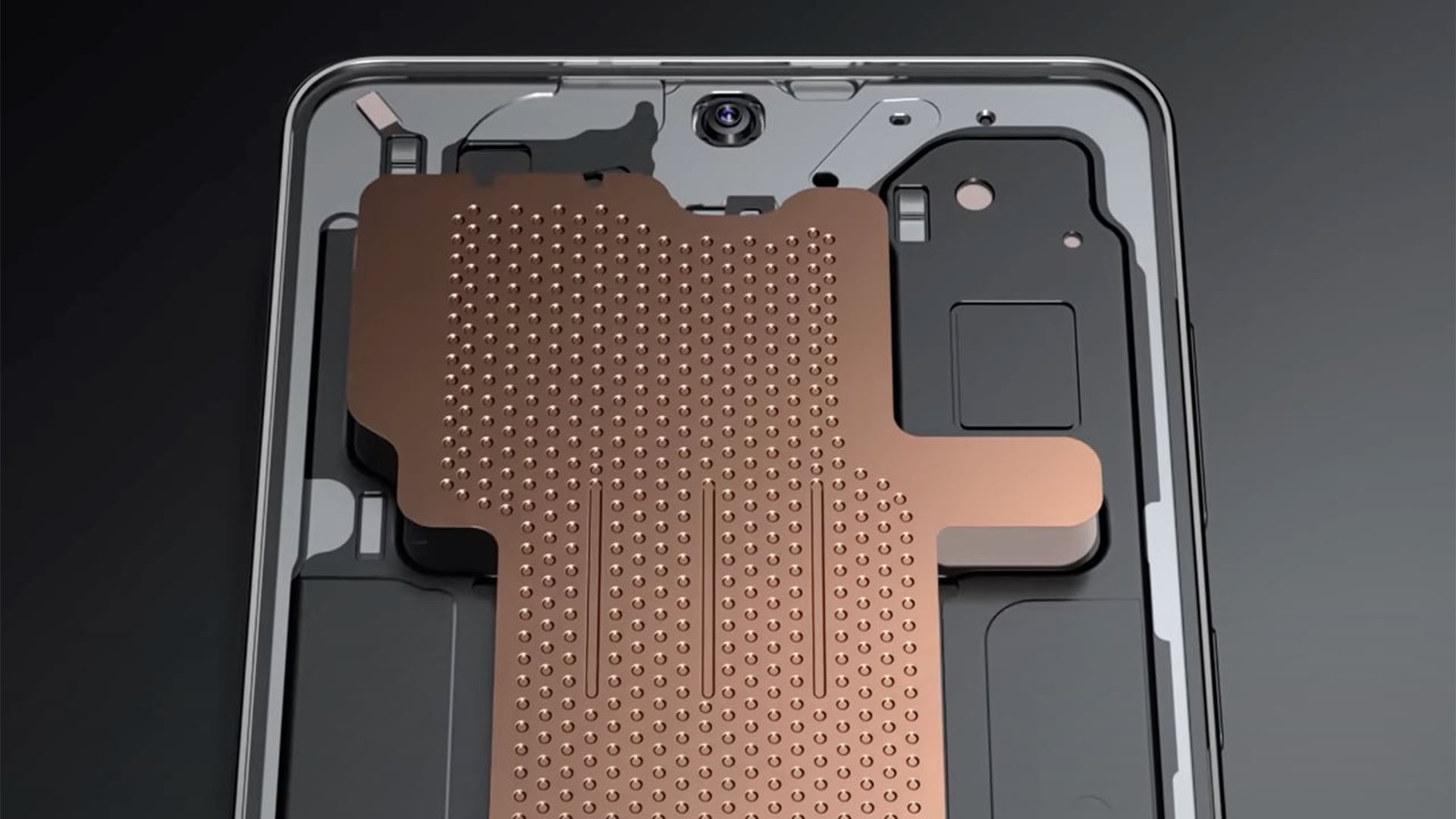
The next generation of Samsung’s flagship phones will arrive with something no other smartphone has yet: a system-on-chip built using 2-nanometer process technology. That tiny measurement—half the size of today’s leading nodes—doesn’t just look impressive on paper; it translates into faster, cooler, and more power-efficient silicon that could make the Galaxy S27 series feel like a different device in your hand.
Current flagship chips already push the limits of what mobile software can handle smoothly. A 2-nm chip isn’t just about raw clock speeds or core counts—it’s about how many transistors can be crammed into the same space, and how quickly they can switch on and off. That means more complex AI tasks, richer graphics, and longer battery life without the usual trade-offs. For gamers, that could mean smoother frame rates, lower input lag, and less heat buildup during long sessions.

But there’s a catch: 2-nm chips aren’t yet proven at scale in consumer devices. Samsung is betting that its foundry arm can pull it off without the usual yield headaches that have plagued cutting-edge nodes in the past. If successful, this could set a new benchmark for mobile performance—one that other manufacturers will scramble to match.
Looking ahead, the real question isn’t just whether the Galaxy S27 will be faster, but how much of that speed gamers will actually notice. While raw benchmarks will climb, the difference in day-to-day use might depend on software optimization and thermal management—areas where Samsung has room to improve.
For now, the focus is on what’s confirmed: a 2-nm chipset, likely paired with more memory and storage than its predecessor. Whether that translates into a device worth upgrading for remains to be seen—but if history is any guide, Samsung will push the envelope further than ever before.