The question of how much SSD storage a modern PC needs has become more nuanced than ever. With operating systems, applications, and workloads growing in size and complexity, enterprise buyers face a delicate balance between performance, cost, and future-proofing. The shift to solid-state drives (SSDs) has already transformed the market, but the debate over capacity remains unresolved.
At the heart of this discussion is the trade-off between capacity and value. A 1TB SSD offers ample space for most business applications, yet enterprise environments often demand more—especially when dealing with large datasets or virtualization workloads. The challenge lies in estimating how much storage will suffice without overpaying for unnecessary capacity.
Today’s SSDs are not just about raw speed; they also incorporate advanced features like NVMe interfaces, which deliver significant performance improvements over traditional SATA-based drives. However, the focus on capacity must not overshadow other critical factors, such as endurance ratings and thermal behavior, which can impact long-term reliability in demanding enterprise settings.
One of the key considerations for buyers is the difference between marketing claims and real-world performance. While manufacturers often highlight the benefits of larger capacities, the actual need depends on the specific use case. For example, a 512GB SSD may be sufficient for general office tasks, but it will quickly become restrictive when handling large files or running multiple virtual machines.
Where Marketing Meets Reality
The market has seen a significant shift toward higher-capacity SSDs, with options ranging from 512GB to 4TB and beyond. This expansion reflects both consumer demand for more storage and the increasing size of applications and datasets in professional environments. However, not all capacities are created equal.
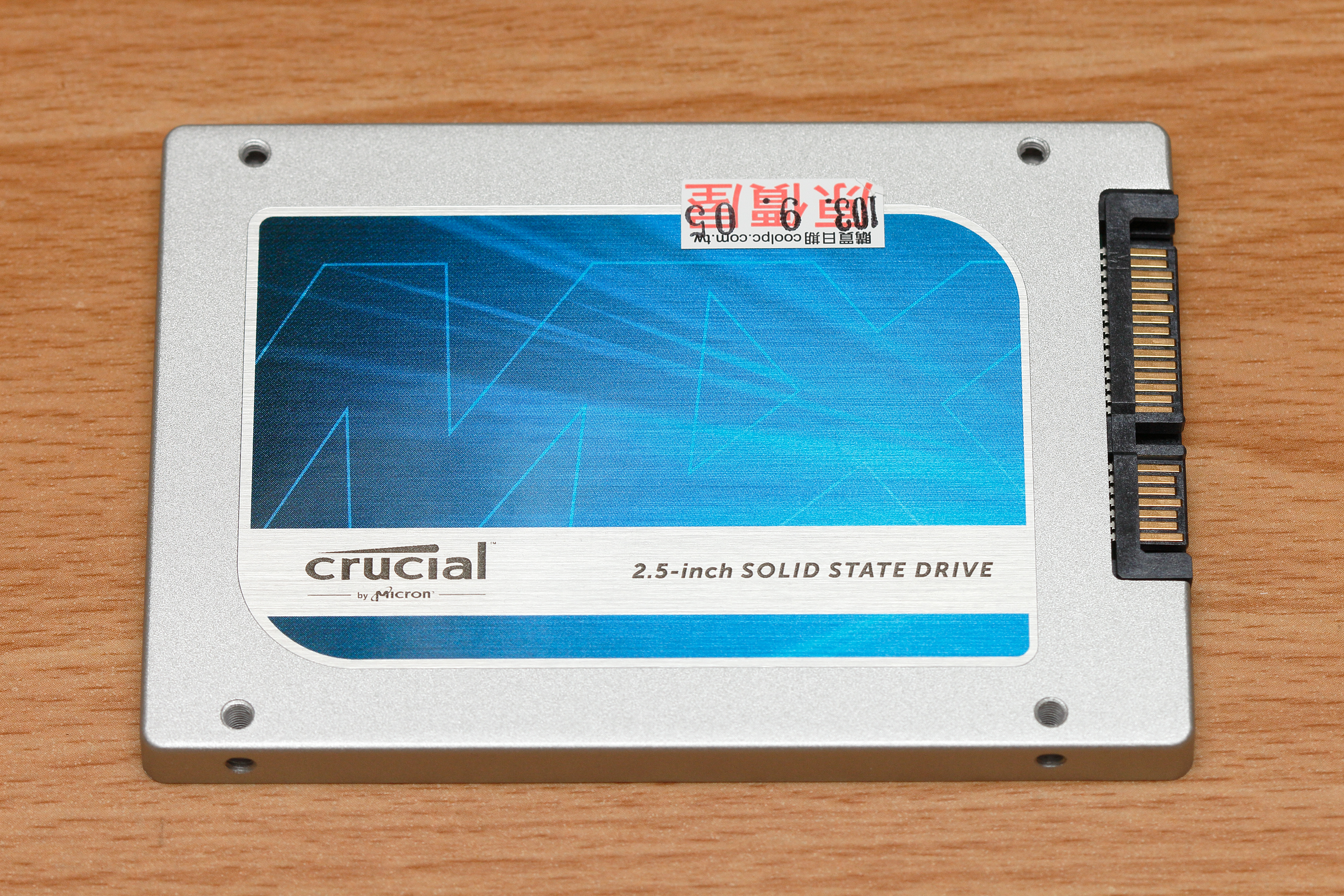
For enterprise buyers, the choice often comes down to balancing immediate needs with long-term scalability. A 1TB SSD is a common starting point, offering a sweet spot between cost and capacity for most business applications. Yet, as workloads become more data-intensive, the need for larger capacities becomes apparent.
Another factor to consider is the type of SSD being evaluated. NVMe SSDs, in particular, have redefined performance benchmarks with their high-speed interfaces and advanced controller technologies. While they provide significant advantages in speed and efficiency, their capacity options must be carefully matched to the specific requirements of the workload.
Endurance ratings also play a crucial role in enterprise deployments. SSDs with higher drive writes per day (DWPD) ratings are better suited for environments where data is frequently written or modified. This is especially important for applications that rely on frequent updates, such as databases or virtualization platforms.
The thermal behavior of an SSD can also impact its performance and longevity. Enterprise-grade SSDs often include advanced cooling solutions to manage heat generation, which becomes more critical as capacities increase. Buyers should look for models with robust thermal management to ensure consistent performance over time.
Looking ahead, the market dynamics around SSD capacity are likely to evolve further. As applications continue to grow in size and complexity, the demand for larger capacities will only intensify. However, enterprise buyers must remain cautious about overprovisioning, which can lead to unnecessary costs without delivering proportional benefits.
For now, the 1TB SSD remains a strong default choice for most enterprise environments, offering a balance between capacity and cost. Yet, as workloads become more demanding, the need for larger capacities will become more pronounced. Buyers should carefully evaluate their storage needs, considering not just current requirements but also future scalability to avoid compatibility risks.