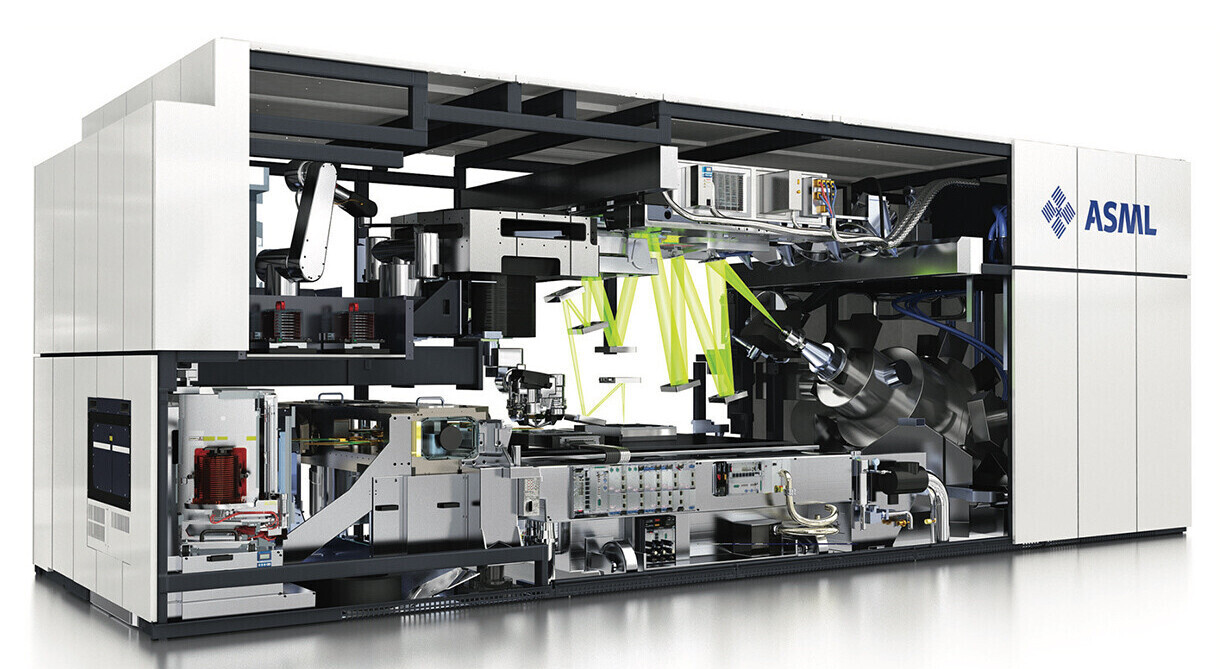
ASML is set to ship more than 60 EUV lithography systems in 2026, a notable increase from previous years but still below its own projections for 2027. This push comes as memory producers ramp up production of next-generation DRAM and HBM modules, critical components for AI data centers.
The company’s Q1 2026 figures show that nearly half of its revenue—45%—originated from South Korea, where semiconductor firms like SK hynix and Samsung are leading adopters. These manufacturers are investing heavily in EUV technology to produce advanced memory types, including GDDR6, HBM3, DDR4, and DDR5, all of which are in high demand for AI workloads.
Key Specifications
- EUV Systems: 60+ units targeted for 2026, including both High-NA and Low-NA models.
- Memory Focus: 51% of shipments earmarked for memory production, with HBM3 and DDR5 being primary applications.
- High-NA EUV: Up to 10 units planned, each priced at approximately $380 million. These will support advanced node manufacturing, such as Intel’s 14A process.
The surge in demand reflects broader industry trends, with AI data centers consuming vast quantities of high-bandwidth memory. ASML’s projections suggest that by 2027, it may deliver around 80 EUV systems, including 56 Low-NA units and 10 High-NA models. This aligns with long-term contracts from major manufacturers, including Intel, Samsung, and SK hynix.
Reality Check
While the increase in shipments is significant, it does not yet match ASML’s own expectations for peak capacity. The company has previously indicated that 2027 could see even higher deliveries, depending on order backlogs and production ramp-ups. Additionally, the transition to High-NA EUV systems—more complex and expensive—remains a key focus area.
For businesses relying on AI infrastructure, this development highlights both an opportunity and a challenge: while advanced memory modules like HBM3 and GDDR6 are becoming more accessible, supply constraints may continue to influence pricing and availability. The long-term outlook remains dependent on ASML’s ability to scale production without disrupting the delicate balance of the semiconductor ecosystem.