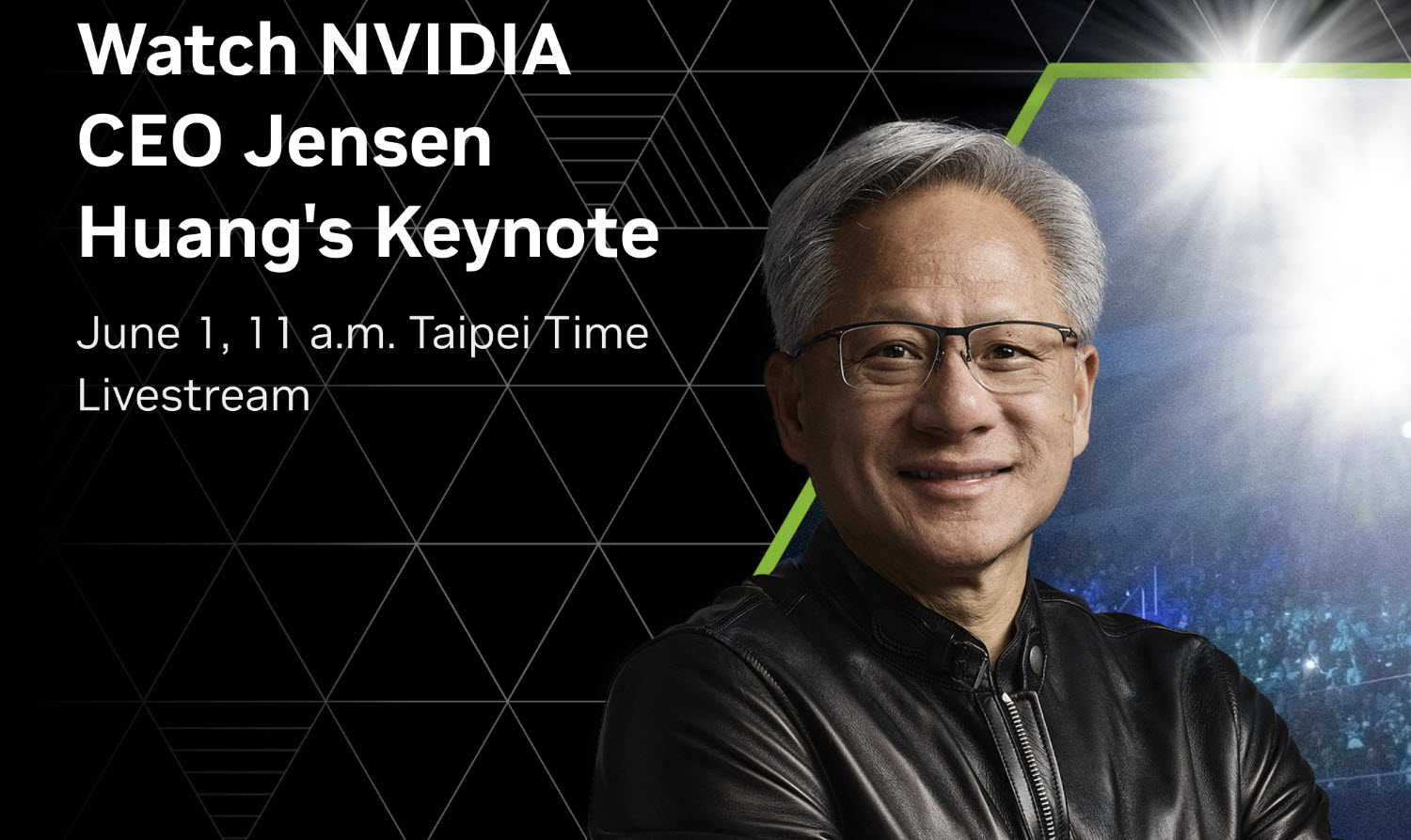
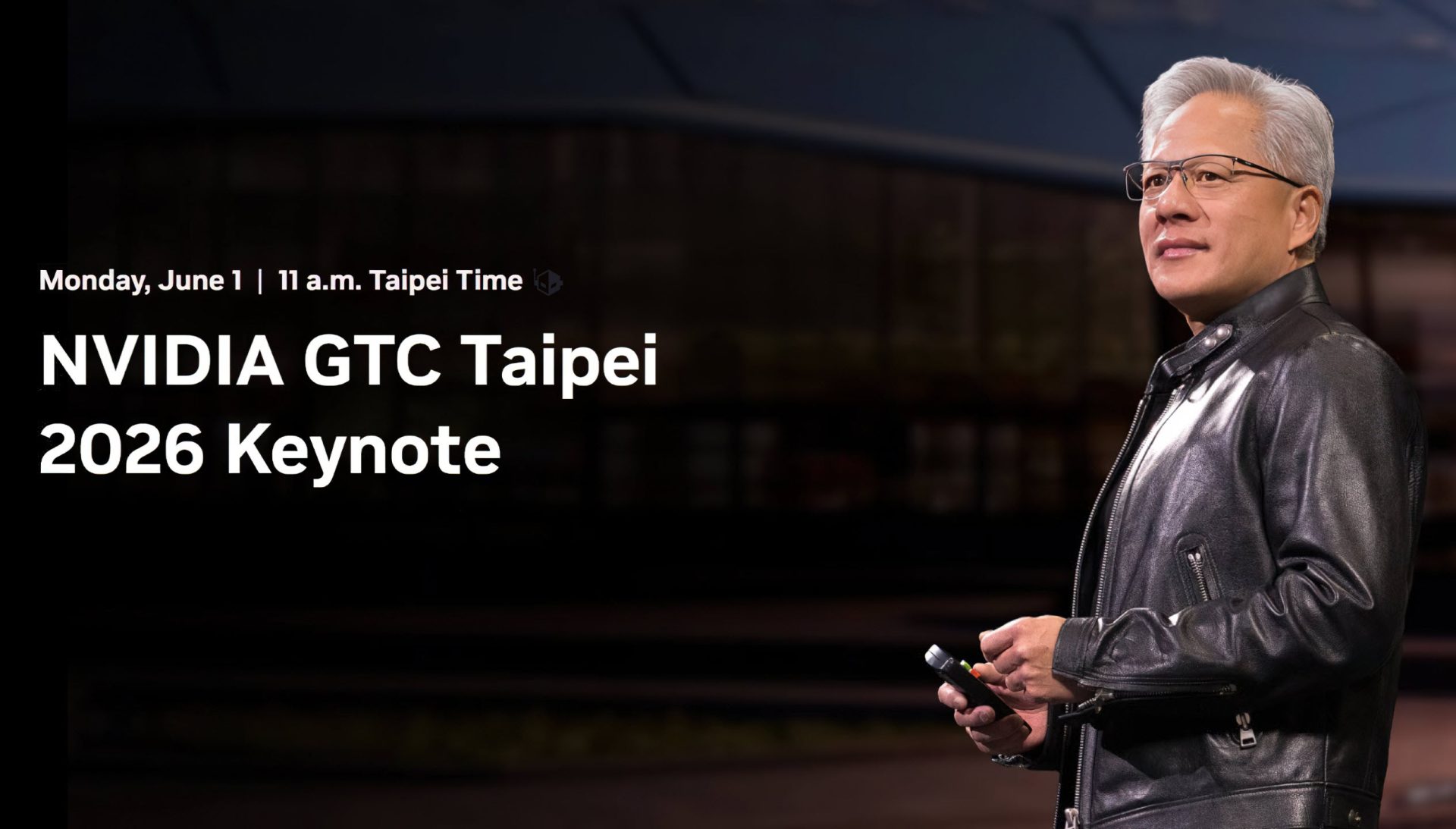
NVIDIA’s upcoming GTC Taipei keynote, hosted by CEO Jensen Huang, is poised to deliver a significant update on the company’s AI strategy. While details remain under wraps, the event serves as a critical checkpoint in NVIDIA’s roadmap, offering a rare glimpse into what could be one of the most transformative announcements for both enterprise and consumer markets this year.
The keynote, taking place just ahead of Computex 2026, is expected to focus on next-generation AI breakthroughs. For PC builders, this could mean new hardware that pushes the boundaries of performance and efficiency, but it also raises questions about compatibility risks as NVIDIA continues to expand its footprint in both AI and consumer markets.
What’s Confirmed—and What’s Not
The event will likely highlight advancements in NVIDIA’s AI platform, including potential updates to its data center and gaming hardware. However, the extent of these innovations remains uncertain, leaving room for speculation about how they might integrate into existing ecosystems or disrupt traditional workflows.
- AI Breakthroughs: Next-gen AI accelerators with enhanced performance metrics, possibly targeting both enterprise and consumer segments.
- Consumer Surprises: New hardware or software features that could redefine how users interact with NVIDIA’s products, though specifics are still unclear.
One concrete detail that stands out is the potential introduction of a new generation of AI chips designed to bridge the gap between high-performance computing and consumer-grade applications. If these claims hold up, they could offer significant advantages for developers and content creators, but the real-world impact will depend on how well NVIDIA manages compatibility with existing systems.
Long-Term Roadmap: A Cautious Outlook
For PC builders, the stakes are high. While NVIDIA’s reputation for innovation is well-established, the challenge lies in ensuring that these new advancements don’t come at the cost of compatibility or long-term stability. The company has a history of pushing boundaries, but each leap forward must be carefully weighed against potential risks.
The keynote will also serve as an opportunity to assess NVIDIA’s position in the competitive landscape. With other tech giants vying for dominance in AI and consumer markets, Huang’s address could provide insights into how NVIDIA plans to maintain its edge while navigating evolving industry dynamics.
As we wait for more details, one thing is clear: this event will be a defining moment for NVIDIA. Whether it delivers on the promise of next-gen AI or introduces surprises that reshape the market remains to be seen, but one thing is certain—PC builders and tech enthusiasts will be watching closely.