TSMC’s latest manufacturing constraints are reshaping how smartphones are built, with a focus on efficiency that doesn’t always translate to speed. The foundry is now requiring smartphone makers to downsize chipset specifications, a shift that could leave power users with less than expected—unless they know where to look for the workarounds.
The pressure isn’t coming from a single source. DRAM shortages are compounding the issue, making it harder to balance performance and cost without sacrificing thermal behavior. That’s the upside—here’s the catch: the trade-offs aren’t always obvious at launch, leaving long-term roadmap questions hanging in the balance.
Key Specs: What’s Changing
- Chipset Downgrades: TSMC is enforcing stricter power and thermal limits on smartphone chipsets, pushing for lower clock speeds and reduced core counts to meet efficiency targets.
- DRAM Impact: Shortages are forcing manufacturers to rethink memory configurations, with some devices expected to ship with less than 8GB of LPDDR5 in certain regions.
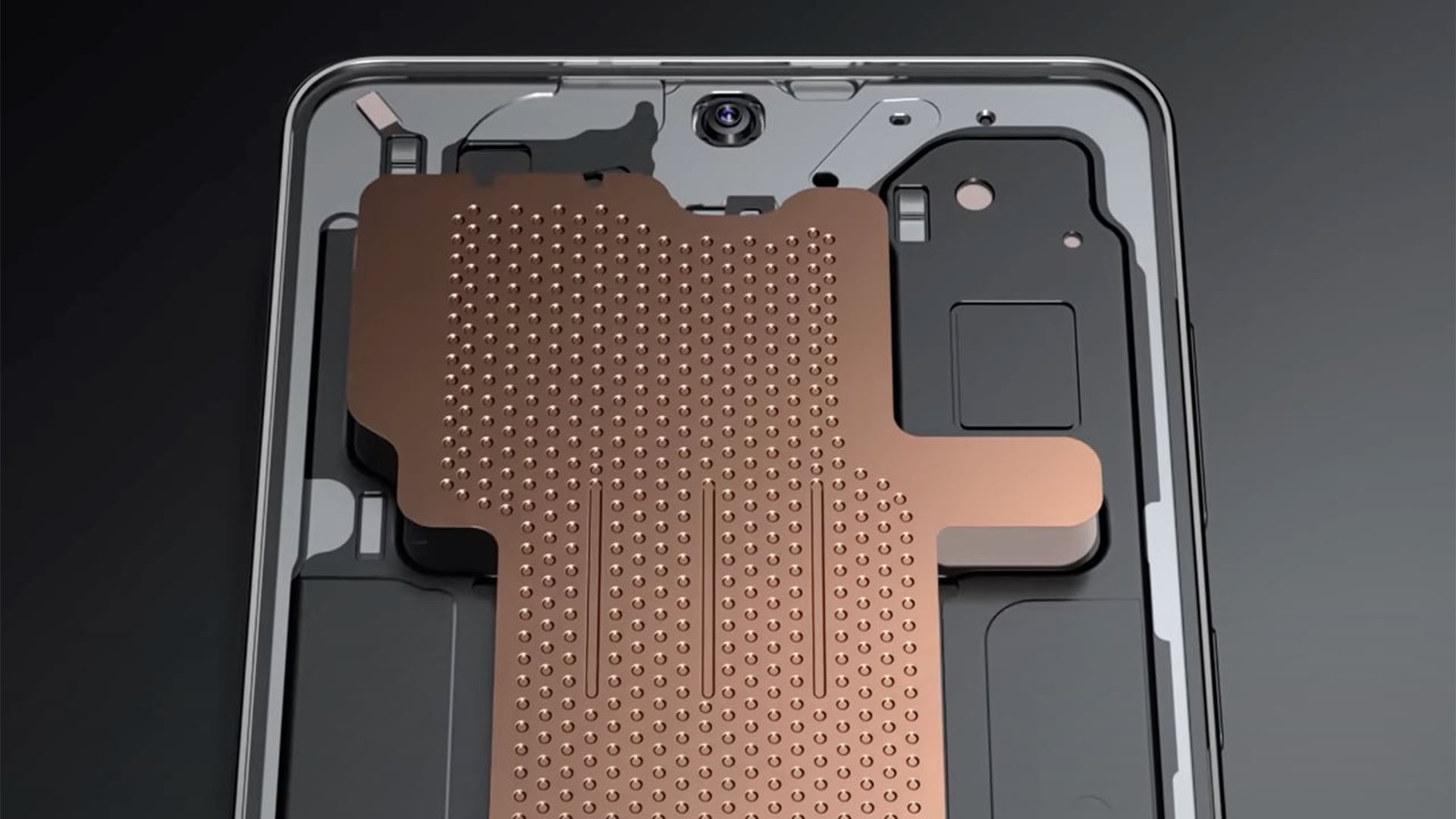
- Thermal Behavior: New heat management requirements mean that even high-end chipsets may struggle under sustained load, potentially limiting sustained performance in demanding workloads like gaming or video editing.
The result is a double-edged sword. On one hand, smartphone makers are being pushed toward more power-efficient designs—something that could benefit battery life and longevity. On the other, the focus on efficiency is clashing with the needs of power users who rely on raw performance for tasks like 3D rendering or extended mobile productivity.
Who’s Affected—and Why It Matters
This isn’t just about benchmarks. The shift toward lower clock speeds and reduced DRAM capacity could have ripple effects across the smartphone ecosystem. For power users, it means fewer devices that can sustain heavy workloads without throttling or overheating. For manufacturers, it’s a balancing act between meeting TSMC’s efficiency mandates and delivering the performance customers expect.
Take the example of a high-end smartphone designed for mobile content creation. Traditionally, such devices would pack 8GB or more of LPDDR5, paired with a chipset that could push sustained clock speeds without breaking a sweat. Now, those same specs are under scrutiny—DRAM capacity may shrink, and the chipset’s thermal design power (TDP) is being capped tighter than before.
The Long-Term Roadmap: What’s Next?
TSMC’s move isn’t just about this year. It’s part of a broader push toward more sustainable hardware, but the question remains: how much performance will users have to give up in the name of efficiency? The answer isn’t clear yet, and without concrete roadmap details, it’s hard to say whether these constraints are temporary or here to stay.
For now, power users should keep an eye on thermal behavior and sustained performance metrics. Devices that can maintain lower temperatures under load will be the ones that stand out—not necessarily because they’re faster, but because they last longer without compromise. That’s a lesson worth learning as the industry navigates this new normal.