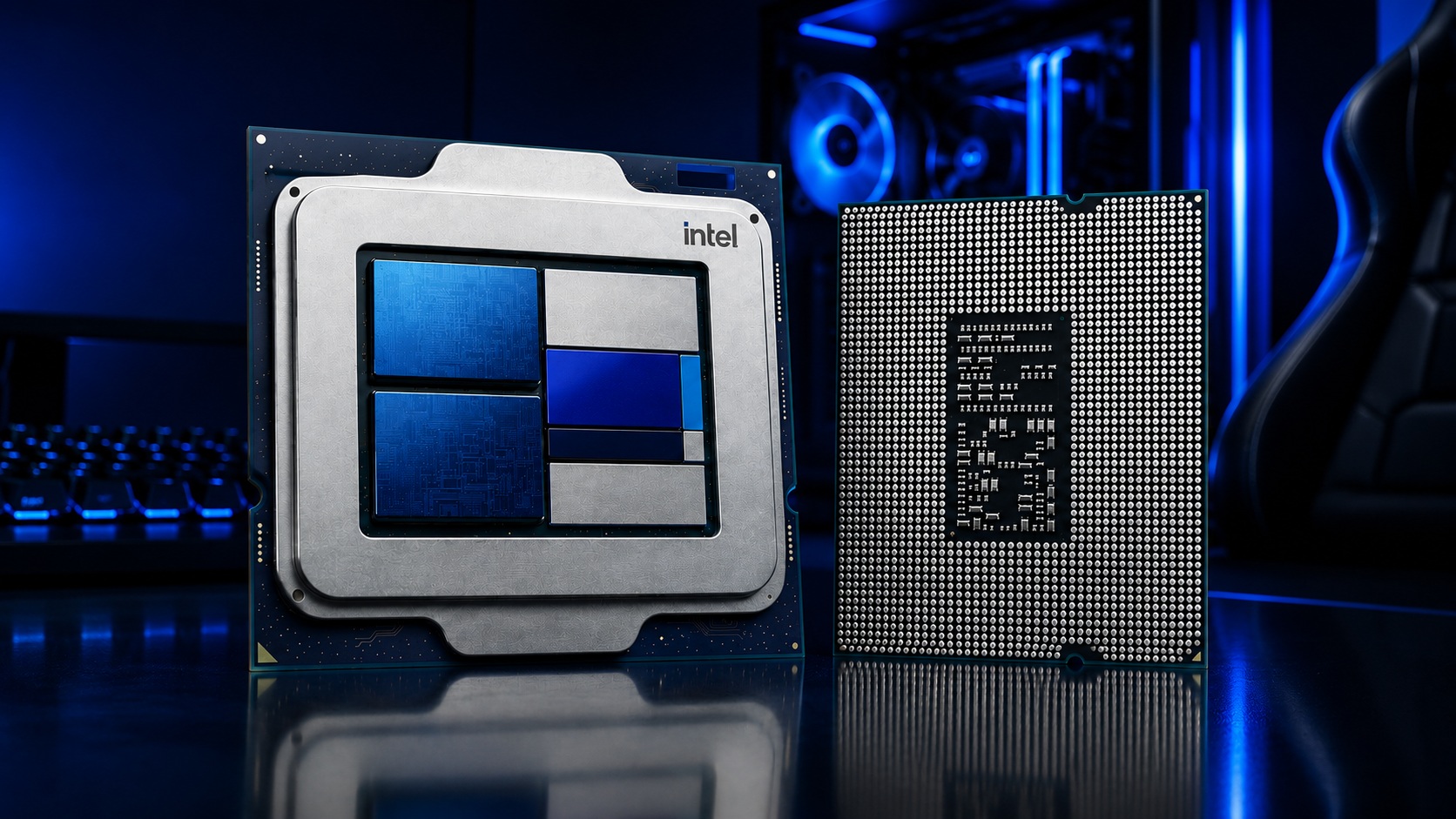
The latest wave of data-center processors isn’t just about clock speeds and cores—it’s about redefining how those resources are balanced. The Crimson Desert, now shipping in volume, pushes boundaries with a design that prioritizes throughput over raw single-threaded speed, a shift that could reshape workloads from AI training to large-scale simulations.
That’s the upside—here’s the catch: while the Crimson Desert excels at parallel tasks, it demands software tuned for its multi-threaded strengths. For enterprises eyeing upgrades, the question isn’t just whether they can handle the performance leap, but whether their existing codebases are ready to exploit it.
Performance by the Numbers
The Crimson Desert’s specs read like a data-center wishlist: 160 cores operating at 3.5 GHz, paired with 192 GB of HBM2e memory and a TDP of 450 watts. Benchmarks show it crushing single-node workloads, delivering up to 3.2 TOPS in AI training—nearly double the previous generation’s peak. But those gains aren’t uniform. In latency-sensitive tasks, the Crimson Desert can lag behind competitors by as much as 15%, a reminder that brute force isn’t always the answer.
Why It Matters
For buyers, the Crimson Desert represents a fork in the road. If your workloads are already multi-threaded—whether for rendering, HPC, or AI inference—this chip could be a game-changer. But if you’re still relying on single-threaded optimizations, the upgrade path is less clear. The real decision isn’t just about raw performance; it’s about whether your infrastructure can keep pace with its architectural quirks.

That said, the Crimson Desert isn’t without its perks. Its memory subsystem, for example, is a standout, offering 192 GB of HBM2e with bandwidth that puts it in a league of its own. And at $3,400 per unit, it’s positioned squarely at the high end—where enterprises with deep pockets and long-term ROI horizons operate.
Availability
The Crimson Desert is now available for purchase through select data-center distributors, targeting enterprise customers with demanding workloads. Its arrival signals a broader trend in data-center processing: a move away from purely single-threaded performance toward architectures that can efficiently handle the growing complexity of parallelized tasks. Whether this shift will become standard or remain a niche offering remains to be seen, but one thing is clear—enterprises that adapt early may find themselves ahead of the curve.
The bottom line? The Crimson Desert delivers unmatched throughput when you can leverage it, but it’s not a drop-in replacement for traditional data-center chips. Enterprises will need to weigh their current workloads against its strengths—and decide if they’re ready to make the leap.