Intel's next-generation Xe3P graphics architecture is set to prioritize workstation and data center use cases over gaming, according to industry reports. This shift leaves open questions about the future of Intel's Arc gaming lineup, which has largely focused on professional visualization and AI workloads in recent hardware.
The Xe3P IP, expected to debut this year with the 'Crescent Island' series, will be integrated into discrete GPUs designed for data center and workstation environments. This aligns with Intel's existing Arc Pro lineup, which includes models like the B70 and B65, both built on the BMG-G31 'Battlemage' Xe2 silicon but optimized for professional tasks such as AI training and visualization.
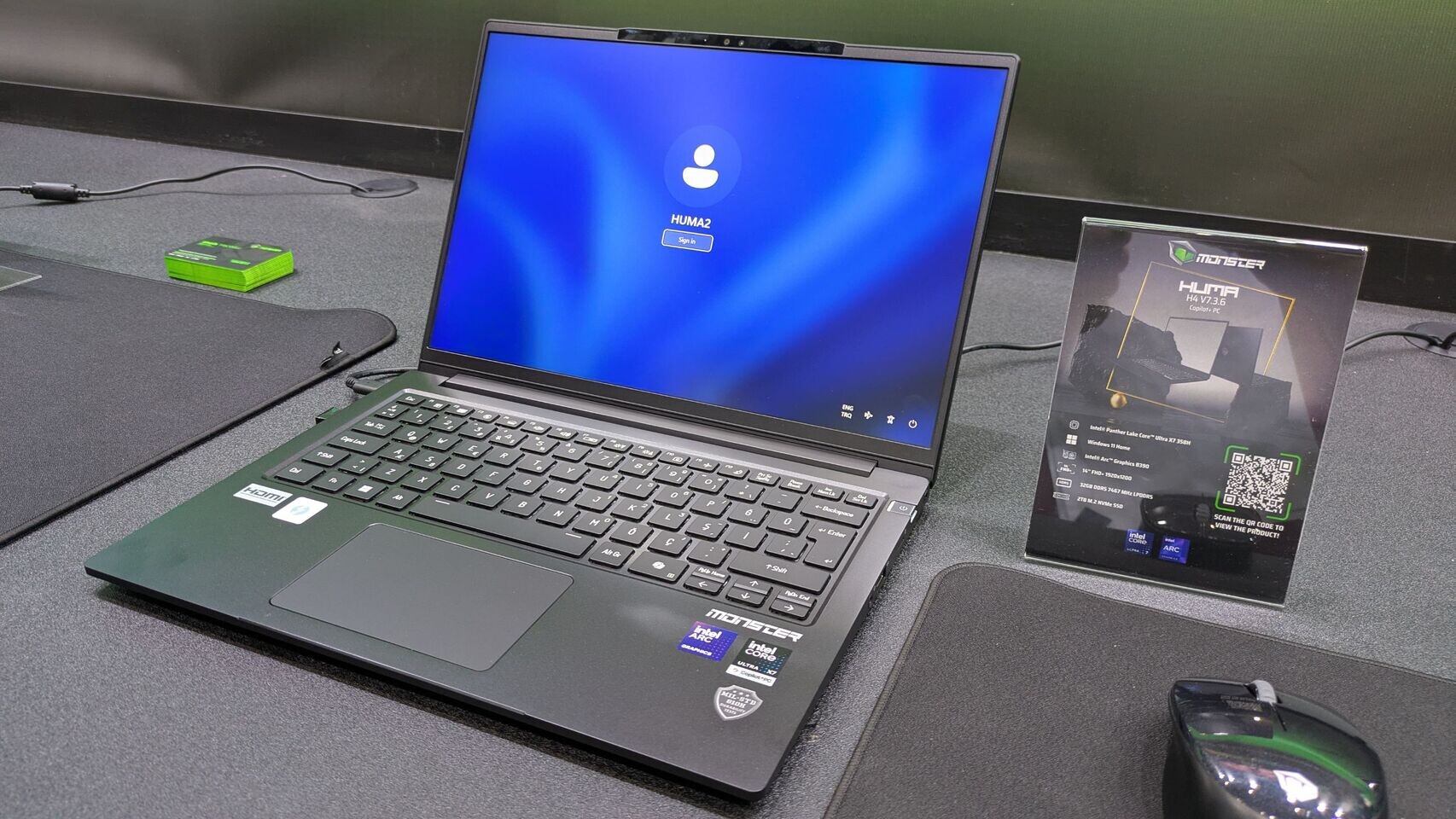
While these cards can handle gaming workloads, their primary focus remains on professional applications. The higher-end Arc B770, rumored to be in development, appears to be on hold, leaving gamers without a clear path forward. Intel's strategy seems to favor integrated graphics, such as the Arc B390 found in 'Panther Lake' processors, which leverages Xe3 IP for high-volume mobile SoCs and game optimizations.

For desktop users, the upcoming 'Nova Lake' APU is expected to integrate up to 12 Xe3P GPU cores, offering a potential preview of the architecture's capabilities. However, if Intel does not release discrete Xe3P GPUs, this APU may represent the closest consumer-facing option outside of workstation and data center products. The latter could feature up to 160 GB of LPDDR5X memory, underscoring its focus on high-performance workloads.
Intel's long-term roadmap includes the 'Xe Next' architecture, signaling continued investment in its graphics technology. However, gamers and enthusiasts may need to wait for further clarity or teasers before committing to Intel's existing Arc ecosystem. The company's strategy appears to balance innovation across integrated, workstation, and data center segments while leaving the gaming market as a secondary priority.