Open-world games have long thrived on two pillars: depth and scale. Bethesda’s Starfield, launching later this year, aims to redefine both—but in ways that challenge even its own legacy. The game isn’t just another entry in the Fallout* or Elder Scrolls series; it’s an attempt to merge their design philosophies into a single, cohesive experience. That fusion, however, comes with tradeoffs that could reshape how players engage with Bethesda’s signature worlds.
The most immediate change is one of scope. Starfield abandons the grounded, post-apocalyptic settings of Fallout in favor of a vast, interstellar galaxy. Instead of ruins and wastelands, players navigate planets, space stations, and celestial phenomena—all rendered with a level of detail that pushes current hardware to its limits. Yet this ambition introduces a new tension: while the game promises unparalleled freedom, its sheer size may force players to prioritize exploration over the deep mechanics that made Fallout’s craftsmanship so compelling.
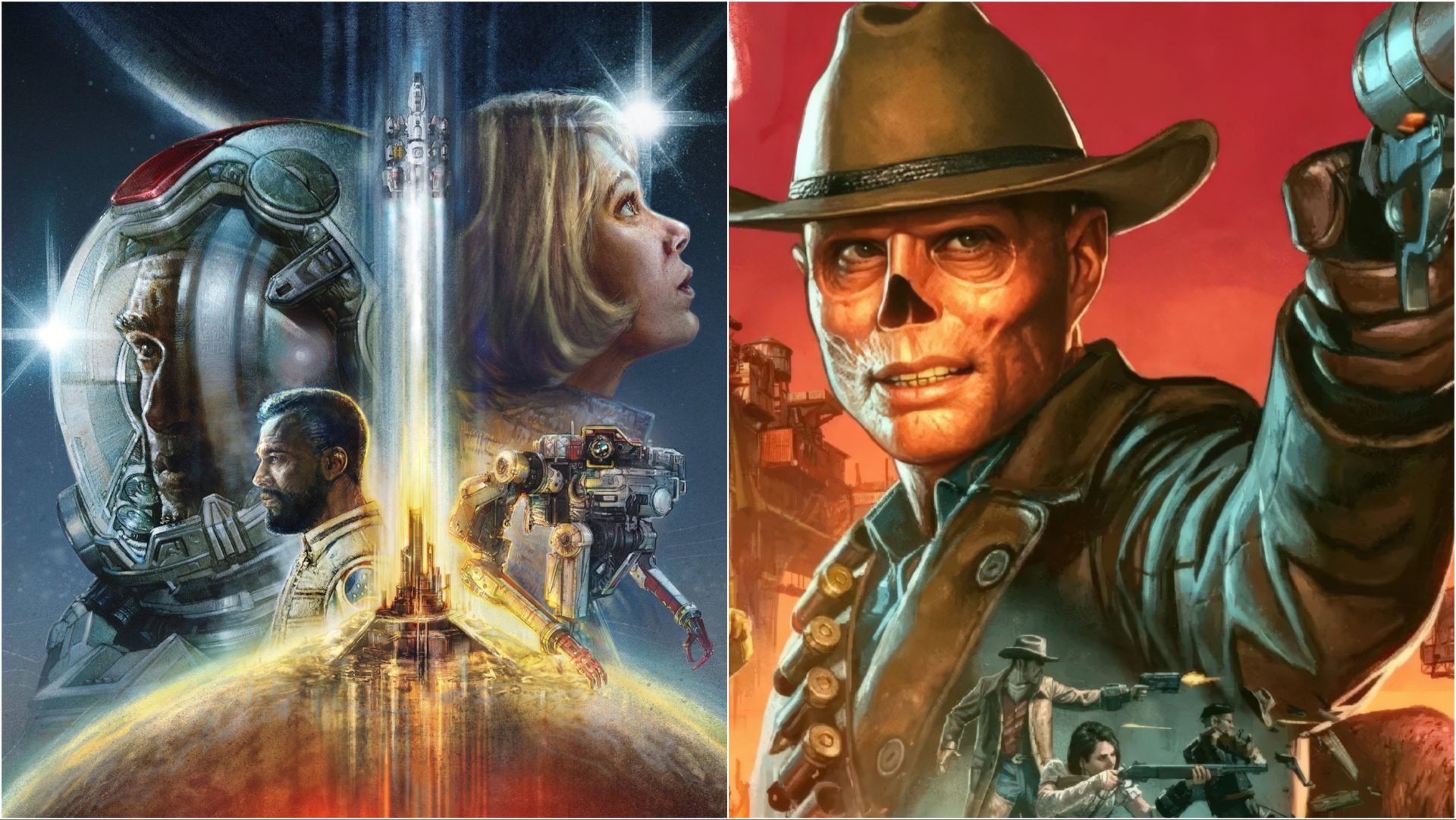
Bethesda’s creative director has acknowledged these challenges, framing Starfield as an experiment in balancing narrative and gameplay. The result is a game that feels both familiar and alien—a deliberate choice to honor its predecessors while carving out new territory. Whether it succeeds will depend on how well it reconciles scale with substance.
For players accustomed to the tactical depth of Fallout or the lore-rich immersion of The Elder Scrolls, Starfield* offers something different: a galaxy to lose oneself in, but one where the rules of engagement are still being written. The stakes aren’t just technical; they’re creative. If Bethesda can pull it off, this could set a new benchmark for open-world design.