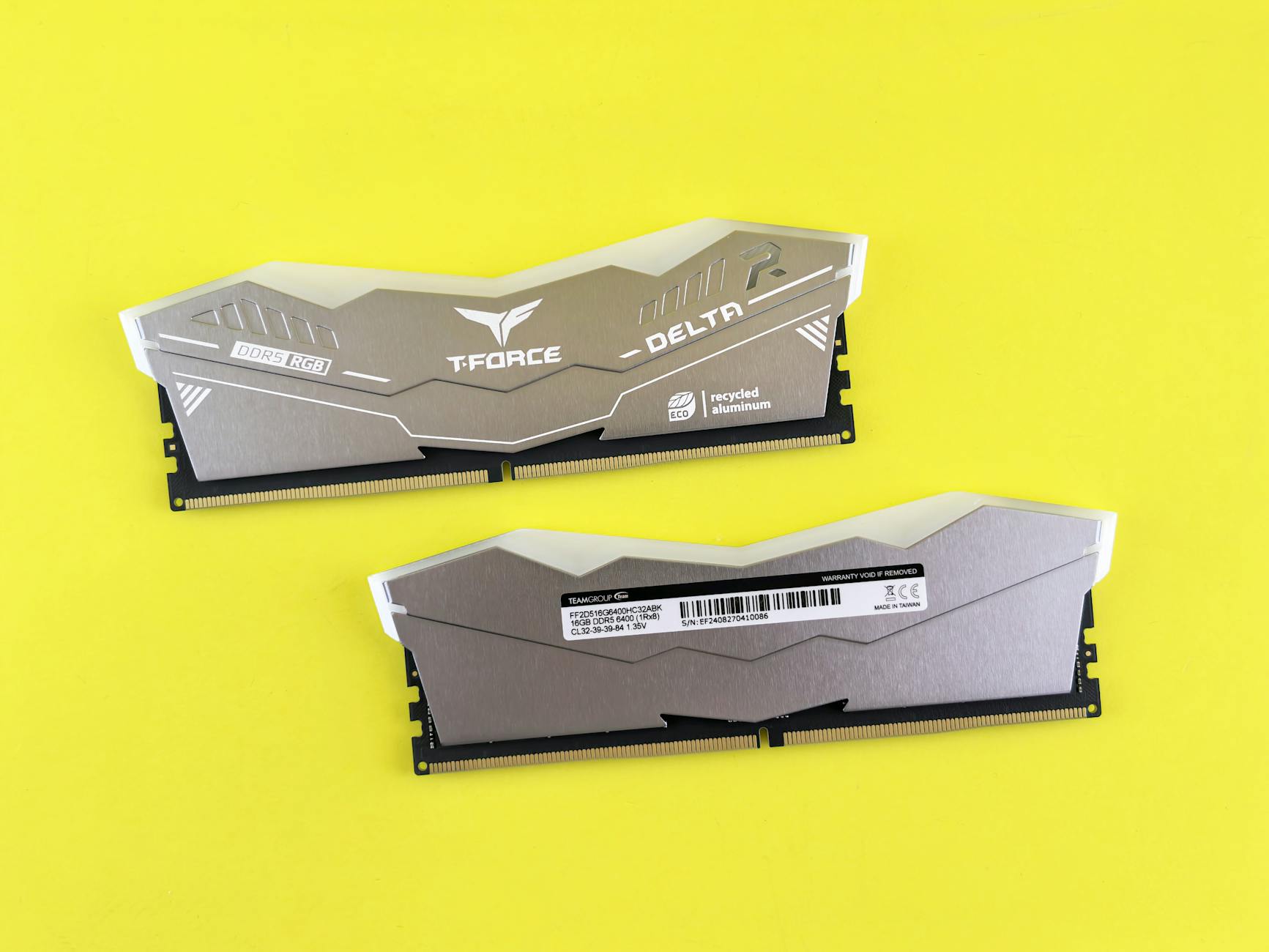
Apple's recent push to lock down vast quantities of memory chips has sent ripples through the semiconductor industry. Analysts suggest this isn't just about securing supply for Apple's own devices—it may be a deliberate strategy to tighten the screws on competitors, particularly in China.
The tech giant is reportedly building reserves worth billions in DRAM and NAND flash, far beyond its immediate needs. This hoarding comes at a time when global memory supplies are already stretched thin, raising questions about whether Apple is preparing for a prolonged crunch or engineering market conditions to favor its own ecosystem.
Why It Matters
For Apple, this move ensures stable access to critical components, reducing the risk of shortages that could disrupt production. But industry observers note that such aggressive stockpiling isn't without consequences. By absorbing a significant portion of the market's supply, Apple may inadvertently create scarcity for other manufacturers, especially those reliant on Chinese foundries.

Market Dynamics at Play
- Apple's memory reserves could stabilize its own production but limit options for competitors.
- Chinese OEMs, already facing supply chain challenges, may struggle to secure adequate DRAM and NAND flash.
- The strategy could also influence pricing dynamics, potentially pushing costs higher for non-Apple devices.
While Apple has historically been tight-lipped about its supply chain tactics, the sheer scale of this stockpiling operation suggests a long-term play. Whether it's aimed at safeguarding Apple's dominance or creating competitive pressure remains an open question—but one thing is clear: the memory market just got a lot more volatile.