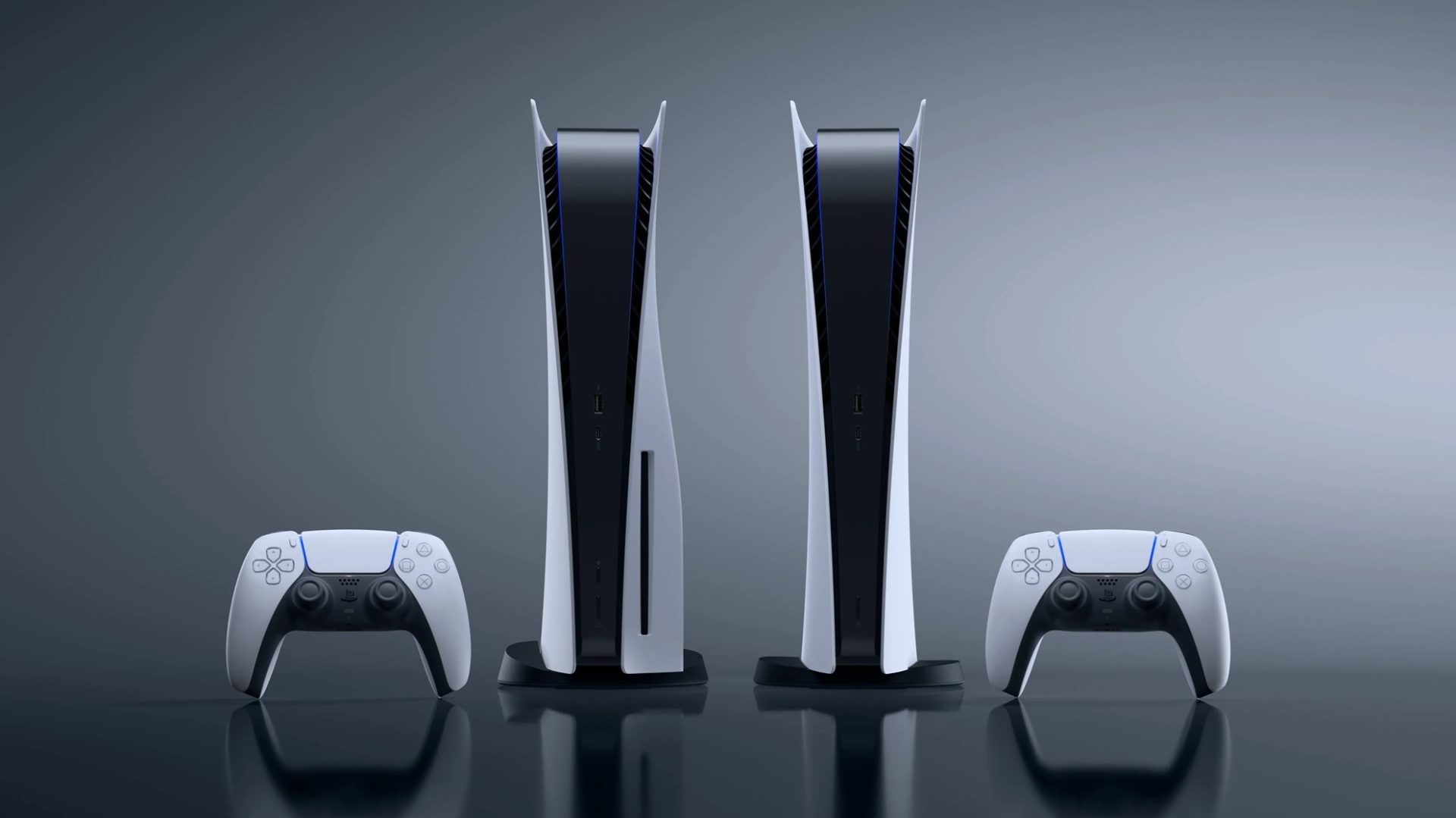
The PlayStation 5's sudden spike in U.S. sales, driven by pre-price-hike buying behavior, underscores a pivotal moment for Sony's gaming strategy. While the numbers suggest strong short-term demand, the move also raises critical questions about how this shift will reshape player expectations and market dynamics.
Sony's decision to raise prices comes at a juncture where console sales are increasingly tied to software ecosystem health. The PlayStation 5's installed base of over 20 million units in the U.S. by early 2026 signals a mature but still-growing market. However, the timing of this price adjustment—just as Sony is gearing up for its next-generation hardware cycle—introduces complexity. Developers and players alike will need to weigh whether the upgrade path remains viable under new pricing structures.
Why This Matters for Developers
The PlayStation 5's performance in the U.S. market is a microcosm of broader challenges facing console manufacturers. On one hand, Sony has positioned itself as a leader in both hardware innovation and software exclusivity, with titles like God of War Ragnarök and Spider-Man 2 driving adoption. Yet, the impending price increase could create friction for players who are already considering whether to upgrade again in two years.
For developers, this presents a dual-edged opportunity. The current surge in sales suggests strong demand for PS5 games, but if players delay upgrades due to cost concerns, the ecosystem risks stagnation. Sony's ability to maintain momentum will depend on balancing price adjustments with continued investment in exclusive content—a strategy that has yet to be fully tested under these new conditions.
Uncertainties and Long-Term Outlook
While the sales data paints a clear picture of current market behavior, several factors remain unclear. Chief among them is how Sony plans to manage supply chains and production costs moving forward. The PS5's manufacturing challenges in its early days were well-documented, but with over 10 million units sold worldwide by 2024, scaling may no longer be the bottleneck it once was.
Additionally, the competitive landscape is evolving rapidly. Microsoft's aggressive push into gaming with Xbox Series X|S and Game Pass, along with cloud gaming advancements, could further complicate Sony's roadmap. If players perceive the PS5 as a legacy system too soon, the price hike may backfire, creating a scenario where Sony struggles to sustain its lead.
For now, the data suggests that Sony has successfully capitalized on pre-price-hike urgency, but the long-term implications for the PlayStation ecosystem are still unfolding. Developers will need to monitor how this shift affects player behavior and whether Sony can maintain its edge in both hardware and software innovation without alienating its core audience.
The coming months will be telling. If Sony navigates this transition smoothly, it could solidify its position as a dominant force in gaming. But if the price increase disrupts adoption or stifles creativity, the PlayStation 5's legacy may be one of missed potential rather than groundbreaking success.