The weather in Assassin's Creed Shadows doesn’t just move—it breathes. Clouds shift dynamically across the sky, rain follows terrain contours, and sunlight filters through gaps with uncanny precision. This isn’t a pre-rendered sequence or a scripted event; it’s a fully real-time simulation running on Anvil, a technology that has quietly rewritten the rules of environmental storytelling in games.
For small businesses or individual developers building their own weather systems, the shift from static environments to living ones carries both promise and practical challenges. On paper, Anvil delivers frame-perfect storm systems with minimal performance hit—something that could change how indie teams approach dynamic worlds. In practice, however, the trade-offs are less obvious than the marketing suggests.
At its core, Anvil is a physics-driven weather engine that generates clouds, precipitation, and lighting in real time using a combination of volumetric rendering, ray tracing, and adaptive mesh techniques. Unlike previous generations—where weather was often a backdrop controlled by scripts—Anvil treats every element as an active participant. This means rain can pool in depressions, mist lingers near water, and wind direction affects foliage movement with micro-interactions that feel authentic.
But the real innovation lies in how it balances visual fidelity with runtime efficiency. Traditional weather systems often require multiple passes or pre-baked data to avoid frame drops. Anvil, however, uses a dynamic resolution approach: dense cloud layers at a distance are rendered at lower detail, while the player’s immediate surroundings remain highly detailed without noticeable stuttering. This is where the practical implications become clear for smaller teams.
For small studios or solo developers, integrating a system like Anvil isn’t just about slapping in a weather layer—it demands a rethink of how environments are built. Previous weather solutions often relied on static meshes and scripted events, which allowed artists to focus on design without deep technical integration. Anvil, by contrast, requires environments that can react dynamically: terrain must account for water flow, materials need to handle moisture interactions, and lighting must adjust in real time. This shift adds complexity but also opens doors—small teams could now create weather that adapts to player actions or narrative beats without relying on middleware.
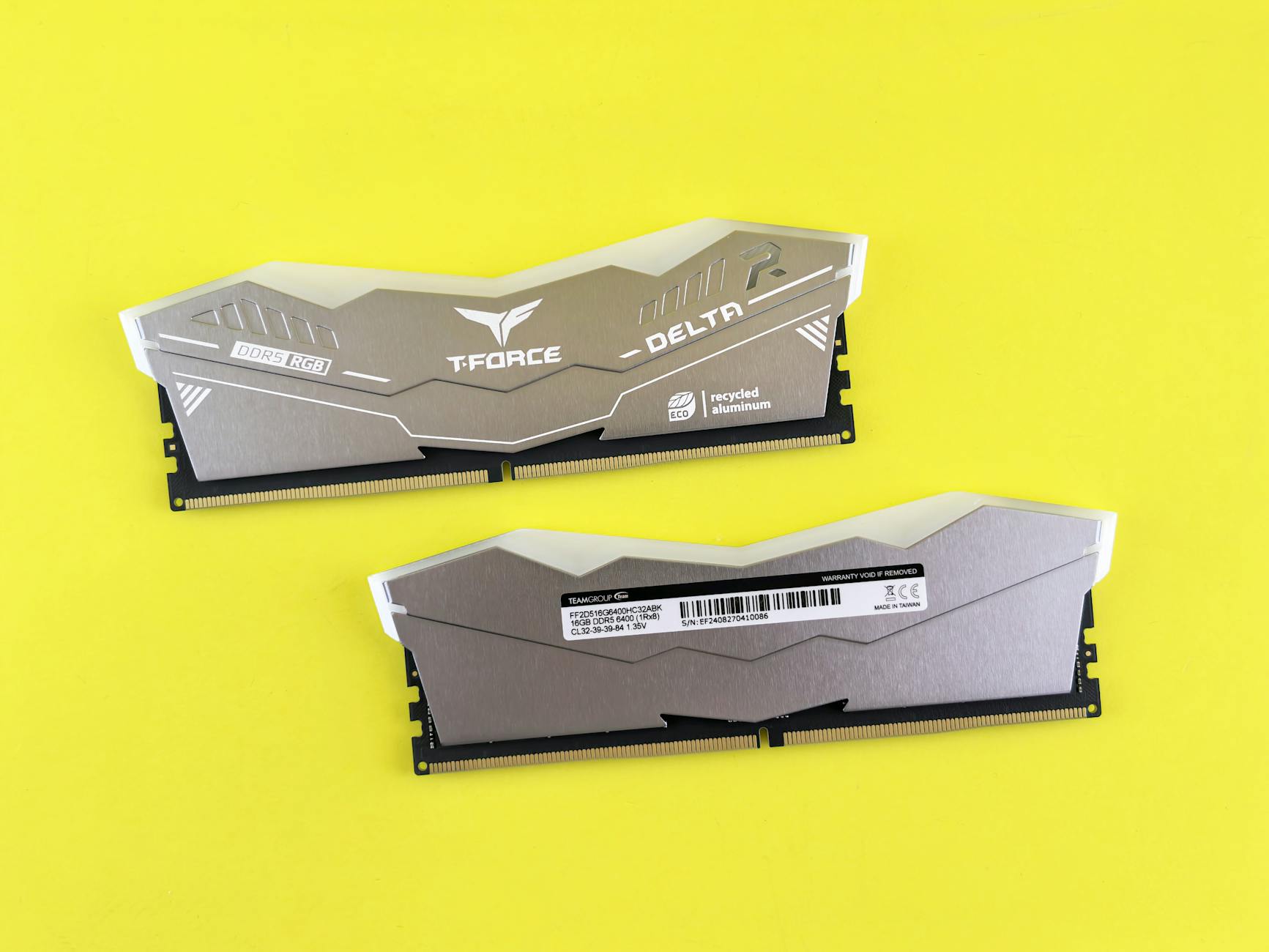
There are caveats, however. Anvil’s real-time ray tracing for weather effects pushes hardware requirements higher than traditional methods. While mid-range GPUs can handle the base simulation, features like dynamic rain refraction or highly detailed mist layers push the envelope, potentially excluding smaller developers working with limited budgets. Additionally, the engine’s adaptive mesh system, while efficient, means that environments must be designed with real-time interaction in mind—something that doesn’t always align with traditional art pipelines.
Despite these hurdles, Anvil represents a turning point for how weather can serve storytelling without becoming a performance black hole. For small businesses or solo developers, the key takeaway is that real-time weather is no longer an aspirational feature but a feasible one—provided they’re willing to rethink their workflows. The question isn’t whether teams can adopt it; it’s whether they’ll embrace the trade-offs and unlock environments that feel truly alive.