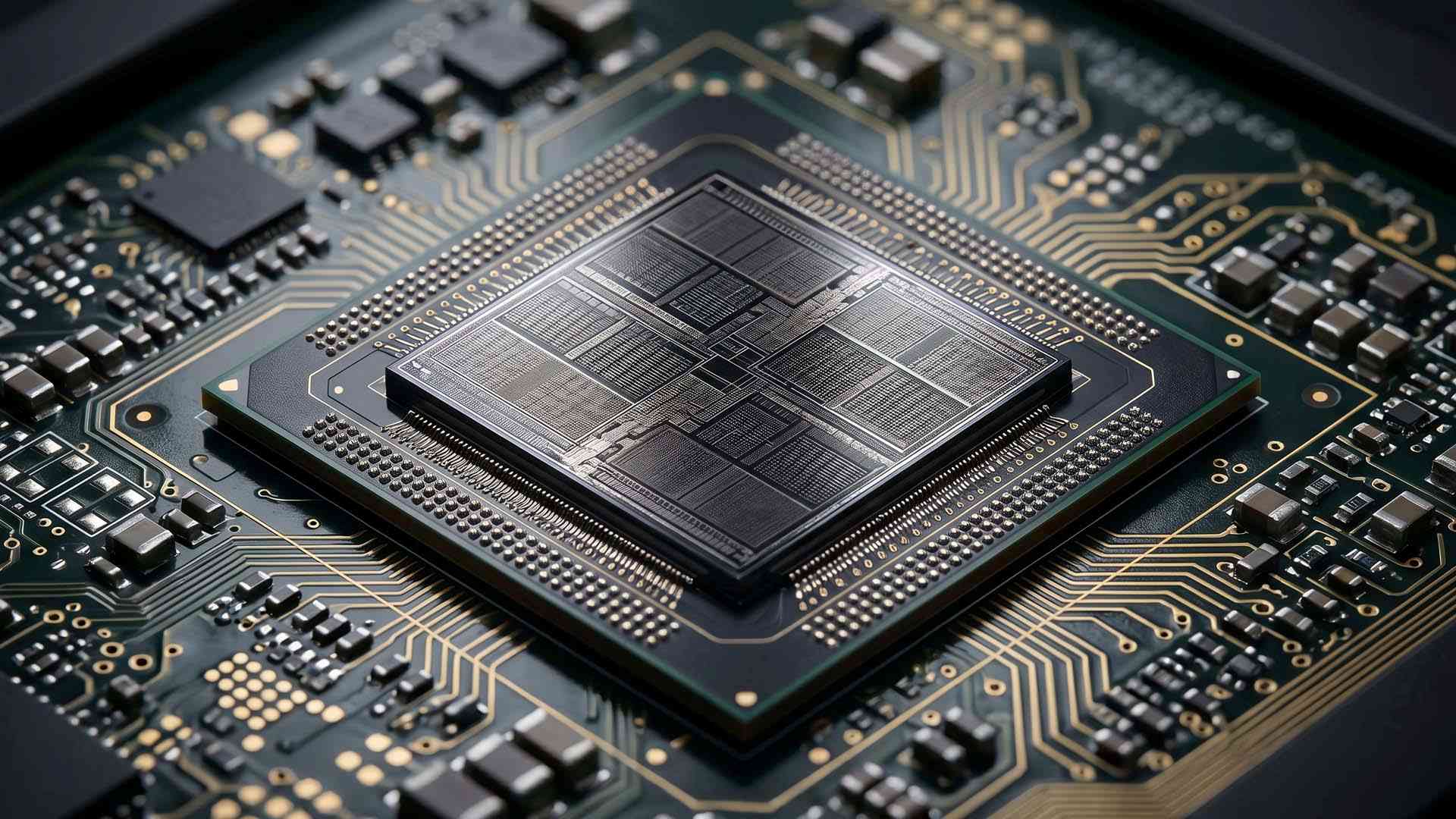
Tesla's latest move in the semiconductor space centers on its AI5 chip, which is now fully designed and ready for production. This development comes as Tesla strengthens its ties with Samsung and TSMC to manufacture the chip, reflecting a broader strategy to secure multiple production lines while pushing the envelope on performance.
The AI5 chip is engineered to deliver performance levels that rival NVIDIA's Hopper architecture, with two AI5 units matching the power of a single Blackwell processor. This positions Tesla to compete more effectively in high-performance computing, particularly for AI-driven applications. The decision to split manufacturing between Samsung and TSMC serves as a safeguard against supply chain disruptions, ensuring stability regardless of market fluctuations.
Samsung will produce the AI5 chips at its facility in Taylor, Texas, while TSMC handles production in Arizona. This geographic distribution not only spreads operational risk but also aligns with Tesla's strategy to secure domestic and near-shore manufacturing capabilities. The partnership extends beyond chip production; Tesla is also integrating SK hynix LPDDR5X memory modules into the AI5 package. Each AI5 SoC includes 12 LPDDR5X modules, totaling 192 GB of memory per chip, a significant leap in capacity compared to previous generations.
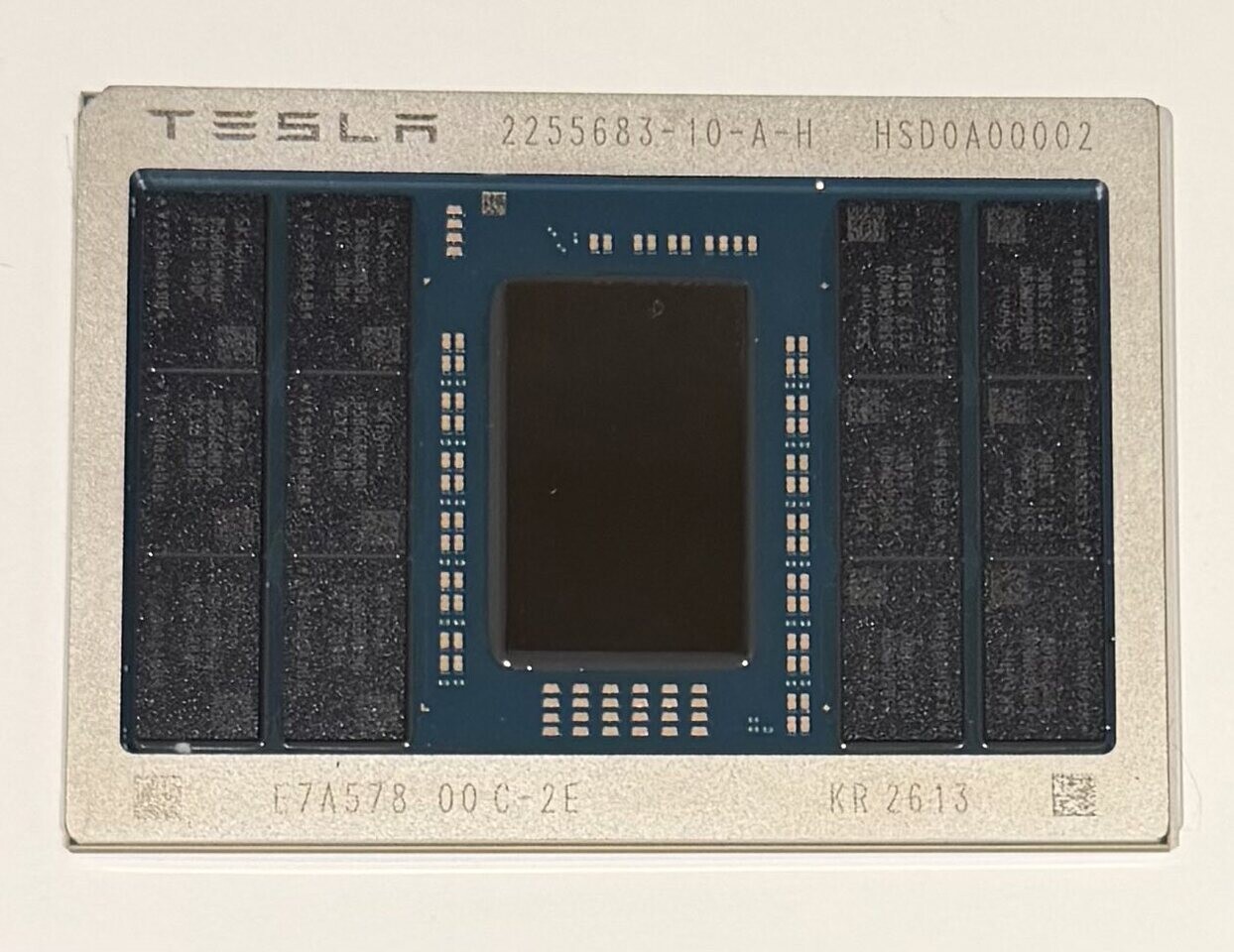
Looking ahead, Tesla has outlined ambitious plans for its next-generation AI6 chip, with a nine-month design cycle aimed at further advancing performance and efficiency. The AI6 project, along with Dojo 3, is expected to involve collaboration with Intel, potentially leveraging the company's expertise in advanced packaging. While details on the AI6 remain under wraps, Tesla's CEO has hinted that more custom silicon ASICs are on the horizon, suggesting a rapid pace of innovation in its chip development pipeline.
For everyday users, the impact of the AI5 chip will likely be felt in the performance and capabilities of FSD systems. With increased memory capacity and processing power, these chips could enable more sophisticated AI models, leading to improved autonomy features such as real-time object recognition and adaptive driving behaviors. However, the full extent of these improvements remains to be seen, as Tesla continues to refine its software and hardware integration.
What is confirmed is a significant shift in Tesla's semiconductor strategy, one that prioritizes diversification and performance while navigating an increasingly complex global supply chain. The partnership with Samsung, TSMC, and SK hynix not only secures manufacturing but also strengthens Tesla's position as a key player in the AI chip market. As the company moves forward with projects like the AI6, the focus will be on translating these advancements into tangible benefits for drivers and consumers alike.