SK Hynix’s production lines, once optimized for high-bandwidth memory (HBM), are now being recalibrated to prioritize DDR5 DRAM. The move comes as the company seeks to diversify beyond its recent profitability in specialized memory segments.
The pivot toward DDR5 marks a strategic realignment, with industry observers noting that the shift could reshape how creators and system builders approach upgrade decisions. While HBM remains a critical component for AI accelerators and high-performance computing, DDR5’s broader applicability—from desktops to laptops—poses both opportunities and challenges for manufacturers.
Why DDR5 Now?
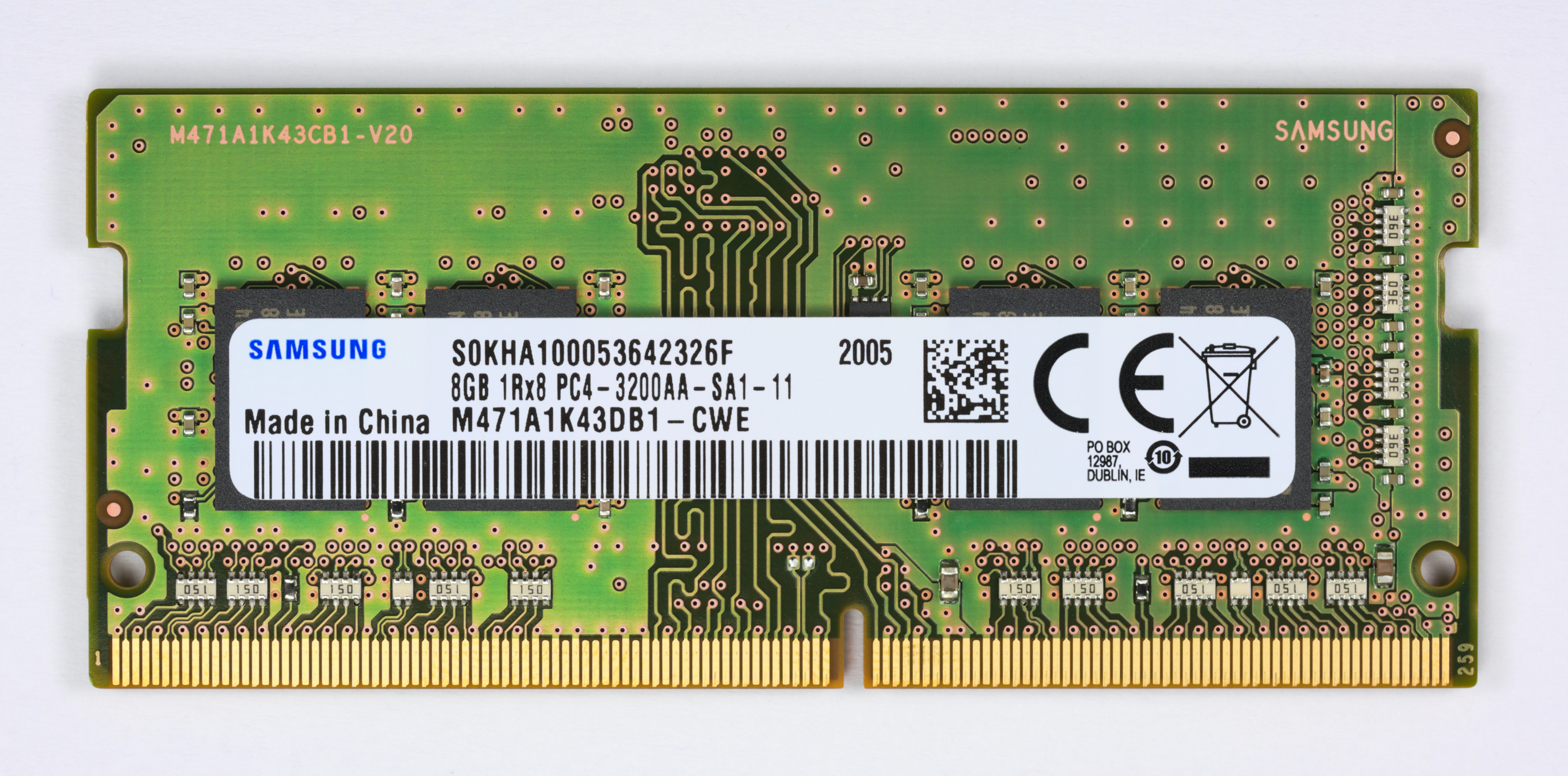
The decision reflects SK Hynix’s assessment of market demand. DDR5, with its improved power efficiency and higher bandwidth per pin compared to DDR4, has become the standard for mainstream systems. However, ramping up production at scale introduces complexities, particularly in yield rates and cost management. The company’s focus on DDR5 suggests it aims to balance volume with profitability, but the transition is not without risks.
Implications for Creators
For creators, this shift could mean more stable supply chains for DDR5 modules, potentially reducing price volatility that has plagued the market in recent years. However, the long-term impact remains uncertain. If SK Hynix succeeds in stabilizing production, costs for high-capacity DDR5 kits may stabilize, benefiting system builders who rely on large memory capacities. Conversely, if yield issues persist, prices could remain elevated, influencing buying timing and upgrade strategies.
That’s the upside—here’s the catch: while DDR5 offers clear advantages in performance and efficiency, its adoption hinges on consistent supply. SK Hynix’s move to prioritize this segment may alleviate some pressure, but the broader memory market still faces uncertainty due to fluctuating demand and geopolitical factors.
The shift also raises questions about how other manufacturers will respond. If SK Hynix gains a significant foothold in DDR5, competitors may accelerate their own production expansions or adjust pricing strategies to counterbalance market dynamics. For now, creators should monitor both supply stability and price trends, as the balance between performance and cost becomes increasingly critical.
Who benefits most? Likely, system builders and content creators who require large memory capacities will see the most immediate impact if SK Hynix’s DDR5 production stabilizes. Those prioritizing high-performance workflows—video editing, 3D rendering, or AI-driven tasks—may find more predictable pricing, but the broader market remains in flux.