Game development has long been a labor-intensive craft, where the discovery of fun—a phrase that encapsulates the core joy players seek—remains deeply rooted in human ingenuity. Yet, beneath the surface of this creative endeavor lies a growing recognition: AI is not just a tool for automation but a potential catalyst for a new era of game design.
The latest shift comes from developers who are beginning to integrate AI more deeply into their workflows, not as a replacement for human creativity, but as an amplifier. This evolution is marked by the emergence of AI-driven tools that can analyze vast datasets of player behavior, generate content, and even suggest gameplay mechanics with speed and precision that traditional methods struggle to match.
At its core, this change represents more than just technical progress; it signals a fundamental rethinking of how games are made. For decades, the process of finding fun has relied on iterative testing, trial-and-error prototyping, and the intuition of experienced designers. Now, AI is stepping into that space, offering developers a way to accelerate what has historically been one of the most time-consuming aspects of game creation.
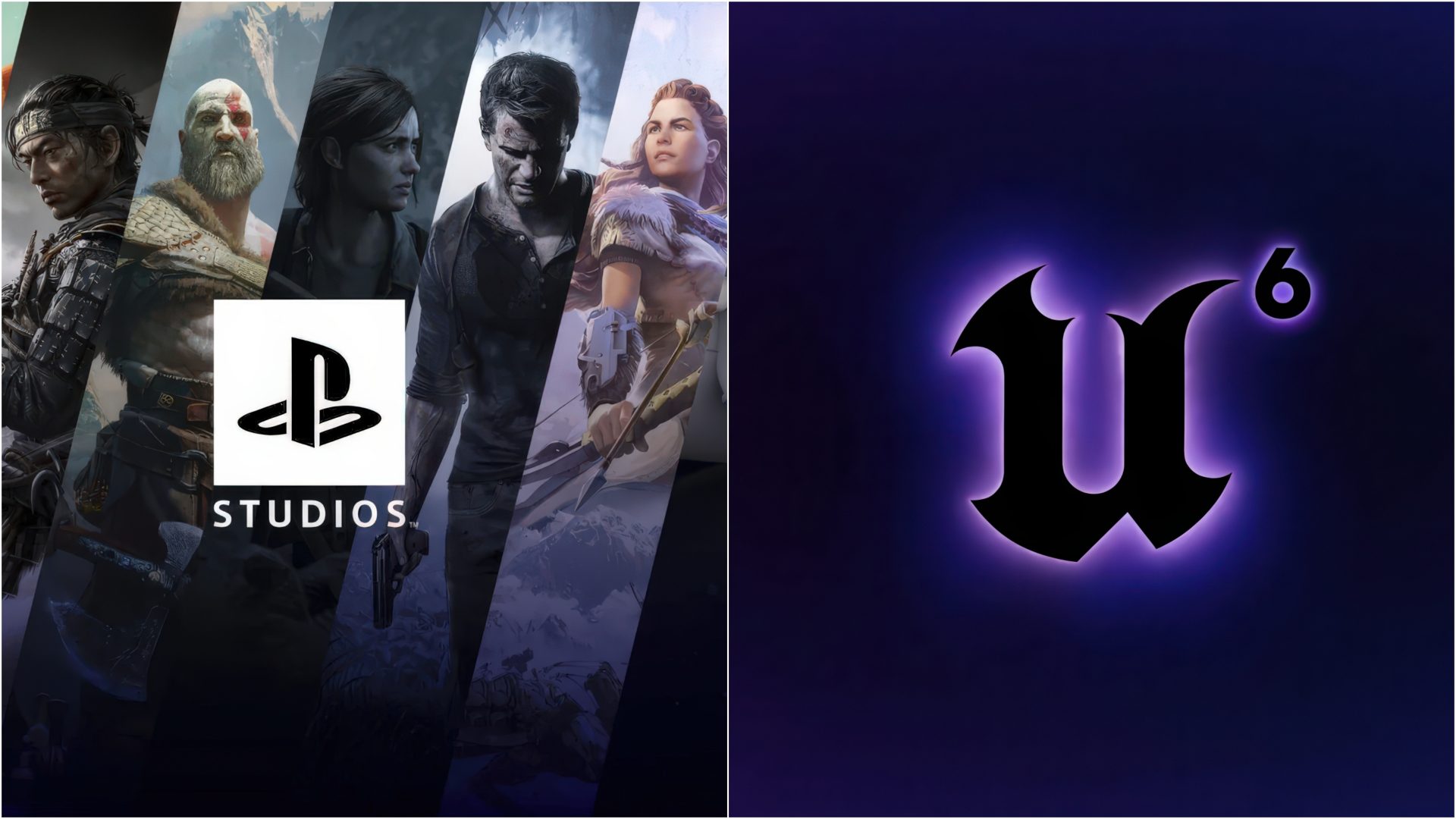
One concrete example lies in how AI can process player feedback in real-time, identifying patterns or frustrations that human testers might overlook. This doesn't mean AI replaces the designer's role—far from it—but it does provide a layer of insight that can guide decision-making with data-driven precision. The result is a more efficient development cycle, where the time spent on refining gameplay loops or balancing difficulty curves is significantly reduced.
However, this shift also introduces new constraints. AI tools require robust datasets to function effectively, meaning smaller studios may face challenges in leveraging them without substantial investment. Additionally, the creative oversight remains firmly in human hands, ensuring that the output aligns with the studio's vision and values. The balance between automation and artistic control is delicate, but those navigating it are finding that AI can be a powerful ally rather than a disruptive force.
Looking ahead, the question isn't whether AI will transform game development—it's how far this transformation will go. Will it democratize the process for smaller teams, or will it deepen the divide between studios with access to advanced tools and those without? One thing is clear: the relationship between human creativity and artificial intelligence in games is entering uncharted territory, one that promises to redefine what's possible in interactive entertainment.