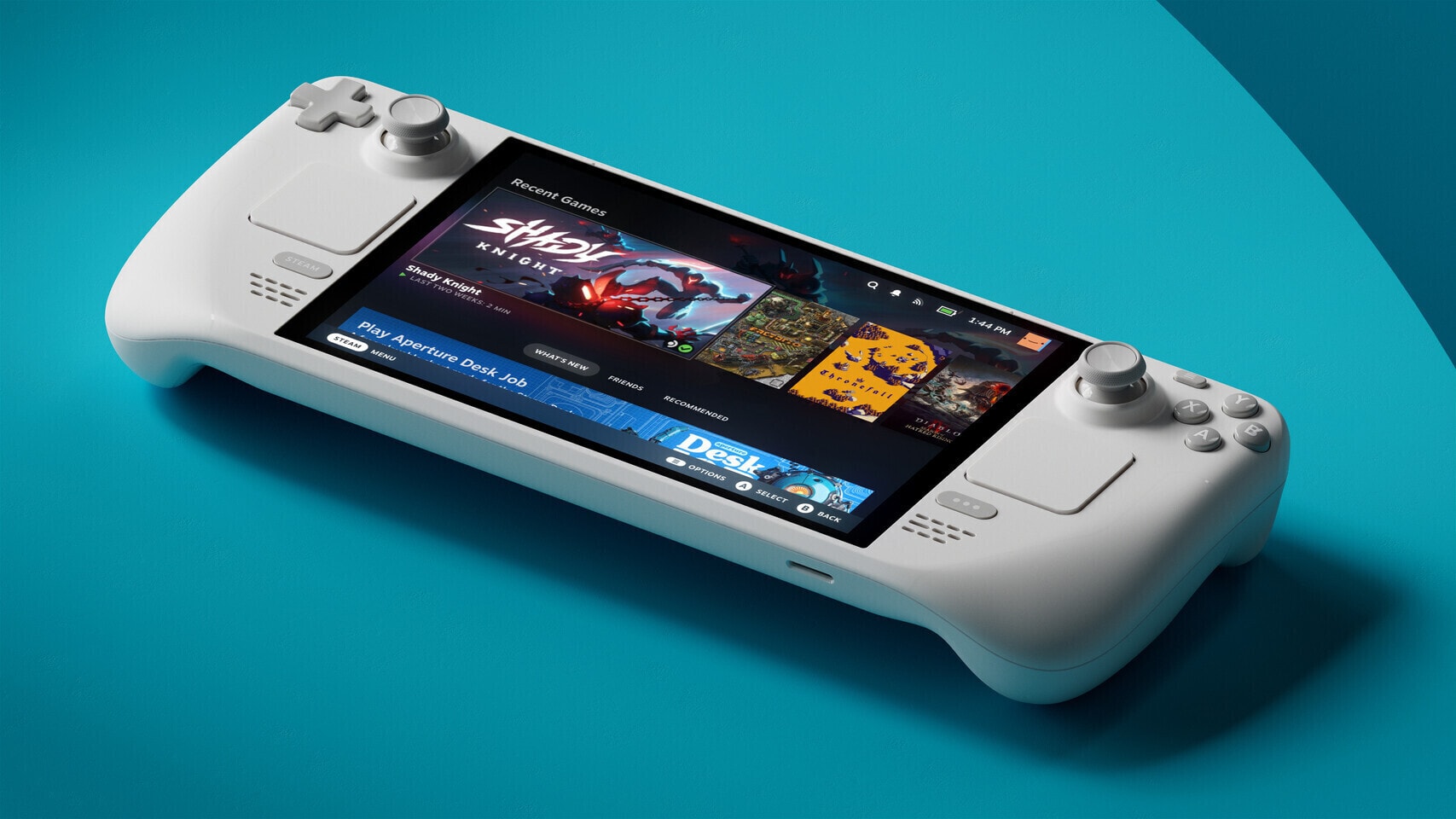
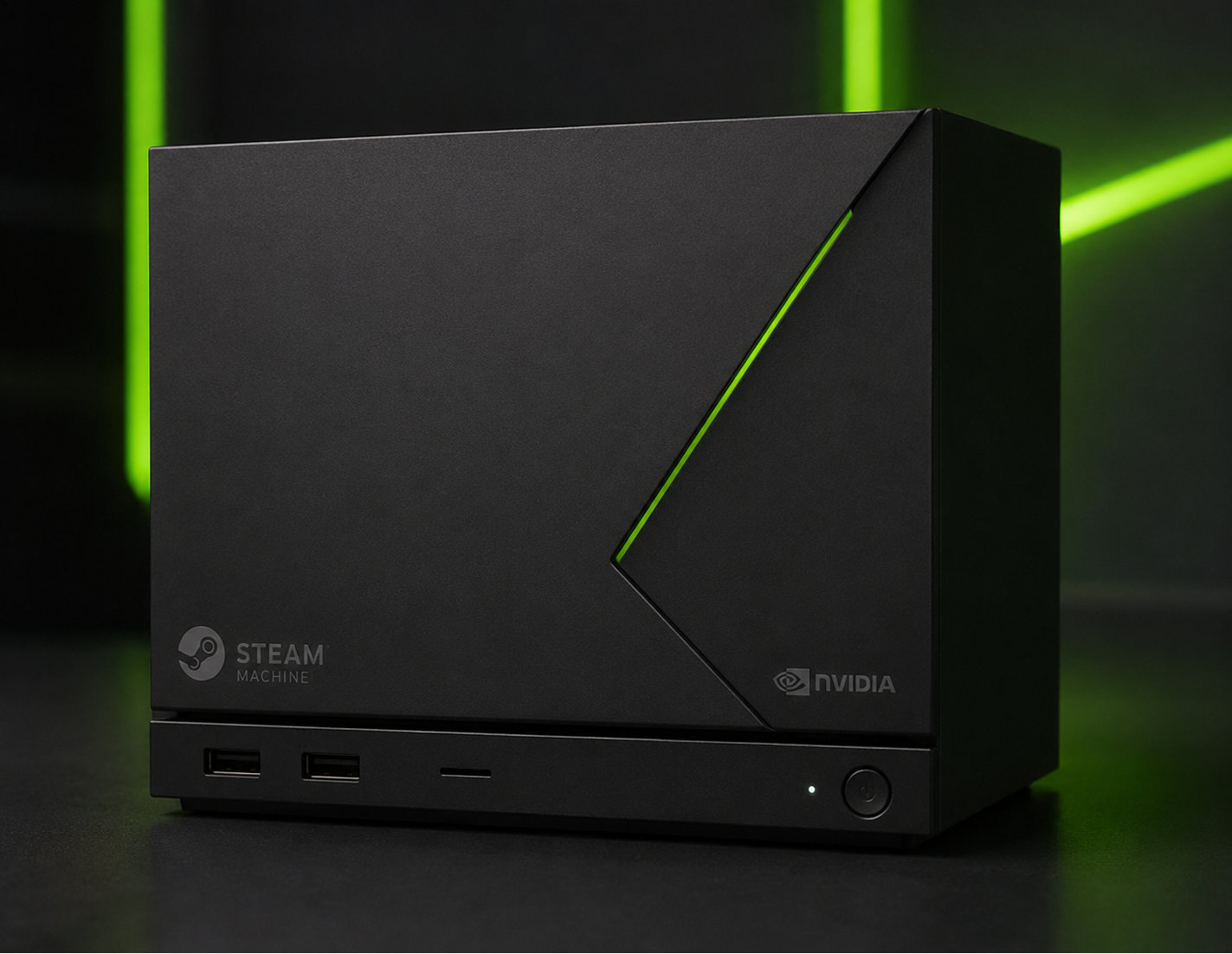
The Steam Machine was built on ambition but never on affordability. Its pricing has always reflected more than just hardware—it mirrors the broader strain on gaming components. But what if those constraints hadn’t existed? A deeper examination suggests the device might have launched 30% cheaper, aligning it with mid-range console pricing while retaining its hybrid flexibility.
Unlike consoles subsidized by game sales, the Steam Machine requires users to pay upfront for versatility. This design choice—blurring the line between console and PC—leaves little room for discounting, even as demand fluctuates. Today, it sits at a price point that feels out of step with its performance, but historical data hints at a different path.
Key specs reveal its positioning in the market

- Performance Target: Comparable to high-end console hardware, featuring options for AMD Ryzen 5 5600 (3.5 GHz) or Ryzen 5 7500F (3.7 GHz) processors.
- Memory Flexibility: Supports DDR4 or DDR5 configurations, with 16 GB of RAM as the standard for balanced performance.
- Storage Capacity: Includes a 1 TB PCIe 3.0 NVMe SSD, ensuring smooth operation in both gaming and desktop modes.
- Power Requirement: A 750 W power supply handles the load, whether running as a console or a full PC.
The device’s specs place it firmly in the mid-tier segment, but its pricing has always been a challenge. Without the DRAM crisis, the entry-level model might have landed closer to $730–$750—a figure that would have positioned it just below the PlayStation 5 Pro’s price. That’s a far cry from today’s reality, where costs are higher and options scarcer.
For developers, this means the Steam Machine isn’t just competing with consoles—it’s competing on cost, performance, and ecosystem lock-in. Its openness is both its strength and weakness: it offers freedom but demands a premium for that flexibility. That tradeoff will shape its market longevity.
The question isn’t whether this device can compete—it’s how much longer it will remain within reach for those who want more than a console but less than a full PC build. The answer may lie in rethinking the balance between cost and capability, ensuring that versatility doesn’t come at an unsustainable price.