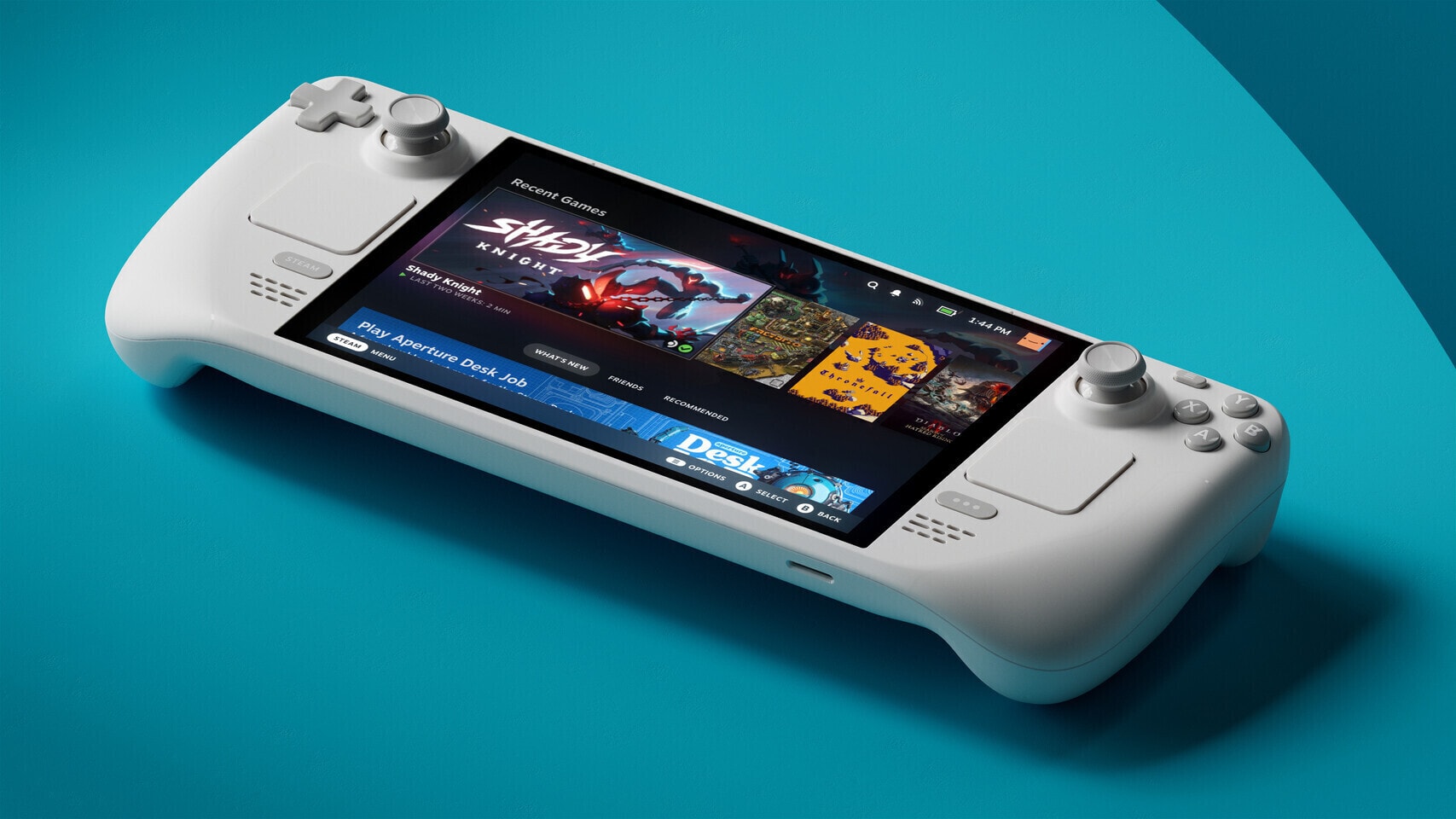
Valve’s Steam Deck 2 is emerging as a test case for whether mainstream CPU architectures can finally crack the efficiency paradox that has long plagued handheld gaming devices. Unlike its predecessor, which relied on semi-custom AMD silicon tailored for portability, this iteration is expected to adopt commercially available processors—an approach that could streamline development but introduces new challenges in power consumption and thermal management.
The shift away from custom designs reflects a broader industry trend, where the rising cost and complexity of bespoke chips have pushed manufacturers toward off-the-shelf solutions. For Valve, this transition is particularly risky: while mainstream CPUs excel in raw performance, their power efficiency often lags behind specialized mobile processors optimized for battery life—a critical factor in handheld gaming.
Performance Gains vs. Efficiency Trade-offs
- Generational Leap: Valve aims to deliver a significant performance improvement over the first Steam Deck, though no concrete benchmarks have been released. Early indications suggest progress, but the device is not yet ready for a public reveal.
- Power Consumption Challenges: Battery life and heat dissipation remain the biggest hurdles. Off-the-shelf CPUs, while powerful, are not optimized for the extreme power constraints of handheld devices, potentially limiting gameplay duration and comfort.
- Silicon Strategy: The project is likely to leverage mainstream CPU architectures, such as Intel’s Arc G3 or similar, rather than continuing with semi-custom APUs. This could accelerate development but may also introduce trade-offs in energy efficiency that Valve must address.
The move toward off-the-shelf silicon is not unprecedented, but it forces Valve to navigate uncharted territory for handheld gaming. Custom chips, while expensive and time-consuming, can be fine-tuned for specific use cases—something mainstream processors struggle to replicate without significant software optimization. If Valve cannot bridge this gap, the Steam Deck 2 could face the same skepticism as its predecessor, particularly from users who prioritize battery life and thermal performance.
Market Dynamics and Industry Implications
The Steam Deck 2’s development is also shaped by external pressures, including supply chain stability and pricing expectations. Valve’s cautious approach suggests a desire to avoid repeating past mistakes, such as the Steam Machine’s DRAM crisis, which led to widespread criticism of its initial pricing model.
If efficiency remains unresolved, the device could struggle to compete in the portable gaming market, where battery life is non-negotiable. On the other hand, if Valve succeeds in balancing performance and power consumption, it could set a new benchmark for handheld gaming hardware—one that blends console-like performance with true portability. The project’s success will hinge on whether mainstream silicon can deliver both without sacrificing usability.
What We Know—and What’s Still Unclear
- Confirmed: Valve is actively developing the Steam Deck 2, focusing on mainstream CPU architectures rather than custom silicon. Progress has been described as closer to realization than in previous discussions, though no timeline or pricing details have been revealed.
- Unknown: Specific performance benchmarks, battery life expectations, and the exact chip platform remain undisclosed. The final design may also incorporate advancements in HDMI 2.1 support for high-refresh-rate displays, but details are speculative at this stage.
The Steam Deck 2 represents a high-stakes experiment for Valve. If it can solve the efficiency puzzle, it could redefine handheld gaming, offering performance that rivals traditional consoles while maintaining true portability. But if power consumption remains an issue, the project may face the same hurdles that have plagued other attempts to bring high-performance computing to portable devices. Until then, the Steam Deck 2 remains a work in progress—one that could either revolutionize handheld gaming or become another cautionary tale in the industry’s pursuit of performance and efficiency.