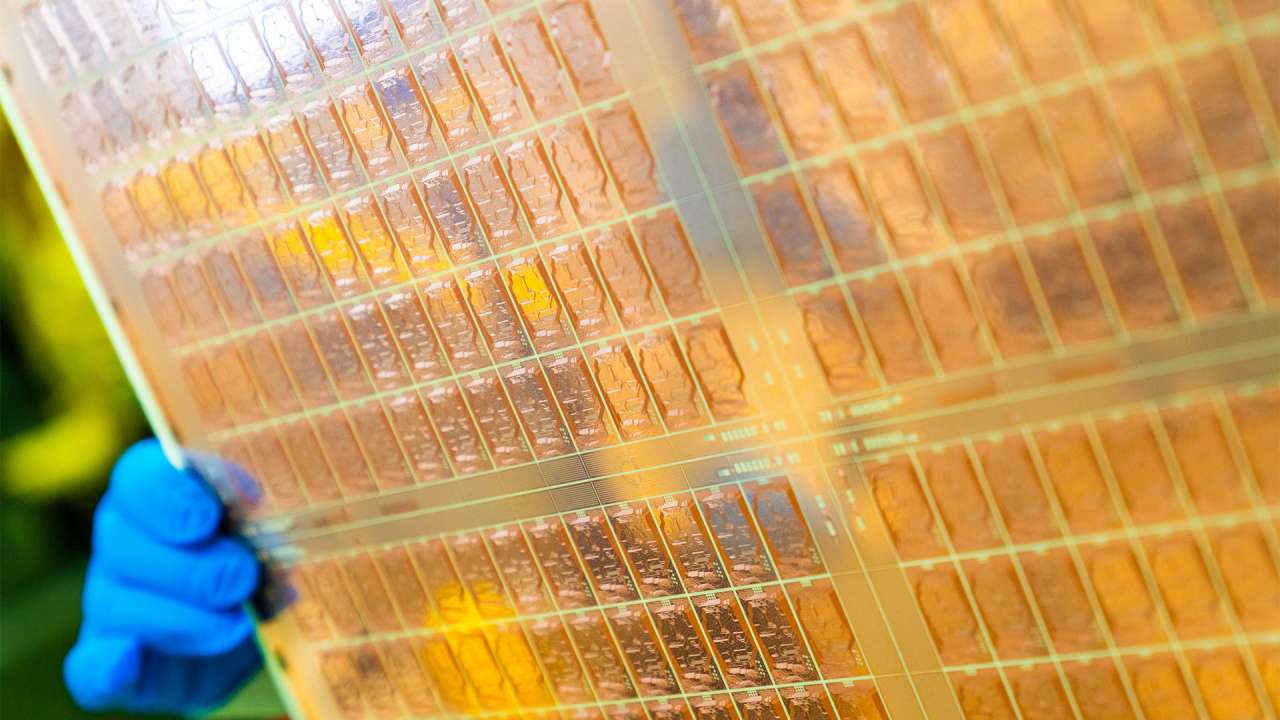
Samsung’s decision to bond two 450-layer NAND cells into a single chip represents a bold departure from traditional SSD architecture. The move is designed to push the industry toward 1,000-layer SSDs by 2030, with the potential to quadruple storage density. However, the practical implications—particularly around performance stability and manufacturing feasibility—are still unclear.
This bonded NAND approach effectively doubles the layers per die without expanding the physical footprint of the chip. While it promises significant capacity gains, the question remains whether those gains will translate into meaningful improvements for end users or simply drive down per-gigabyte costs. The semiconductor industry has seen similar advances before, but each has come with trade-offs: increased error rates, thermal management challenges, and manufacturing complexity.
Key Specifications
- Two 450-layer NAND cells bonded into one chip
- Target: 1,000-layer SSDs by 2030 (quadruple current density)
- Potential for reduced per-bit costs through higher integration
- Uncertain impact on error rates and long-term reliability
The real test will be how this technology scales in mass production. Samsung’s roadmap suggests a gradual refinement, but the jump from 450 to 900 layers is not without risk. Early adopters of high-layer NAND have encountered issues with data retention and operational stability, and whether these can be mitigated remains an open question.
For consumers, particularly gamers and professionals, this development could reshape storage strategies. A 1,000-layer SSD would theoretically offer four times the capacity of today’s models, but the focus must shift from raw capacity to performance consistency. Will users see faster load times, or will the additional space come at the cost of speed? The balance between density and reliability will likely determine its adoption.
The broader implication is a potential redefinition of SSD economics—not just in terms of capacity, but in how that capacity is achieved. If Samsung can successfully navigate the challenges of 900-layer NAND, it could pave the way for a future where storage density no longer comes at the expense of performance or longevity.
For now, the industry must focus on ensuring that this breakthrough does not repeat past mistakes. The promise of exponential capacity gains is compelling, but without addressing the underlying issues of reliability and cost efficiency, it risks becoming just another incremental step rather than a transformative leap.