A single detail from a trusted source can shift an entire narrative—and that’s exactly what happened this week when a known PlayStation leaker made a subtle but significant correction to the latest delay speculation. The move, though unaccompanied by fanfare, sent ripples through the industry, raising questions about whether the PlayStation 6 is truly on the brink of a prolonged postponement or if fears are being overblown.
The leaker, who has a history of accuracy but also a pattern of pushing back against hype, did not provide new technical details. Instead, they quietly dismissed the idea that Sony is facing insurmountable challenges in its development pipeline. This stands in stark contrast to recent reports that suggested the PlayStation 6 could be delayed until at least late 2024—a timeline that would mark a significant departure from earlier expectations.
If true, such a delay would not only reshape Sony’s roadmap but also force competitors to recalibrate their own strategies. The current generation of consoles is already nearing the end of its lifecycle, and any postponement would leave a gap in the market that rivals like Microsoft and Nintendo could exploit. However, the leaker’s intervention introduces doubt, leaving industry insiders to question whether Sony’s internal challenges are as severe as they’ve been portrayed.
Industry Context: A Market on the Edge
The console wars have always been a game of patience, but this cycle feels different. The PlayStation 5 and Xbox Series X|S launched in November 2020 with high expectations, and while both have delivered strong sales, the market is now craving the next leap forward. Sony’s silence on the PlayStation 6 has only fueled speculation, creating an environment where rumors—whether accurate or not—carry significant weight.
Competitors are watching closely. Microsoft, in particular, has been aggressive with its Game Pass subscription model, which has redefined how players engage with games. If Sony were to delay the PlayStation 6, it would cede valuable market share and potentially allow Microsoft to solidify its position as the dominant force in next-gen gaming. Meanwhile, Nintendo’s Switch series continues to thrive, proving that innovation doesn’t always require raw power but rather a deep understanding of player behavior.
Key Facts: What We Know (and Don’t)
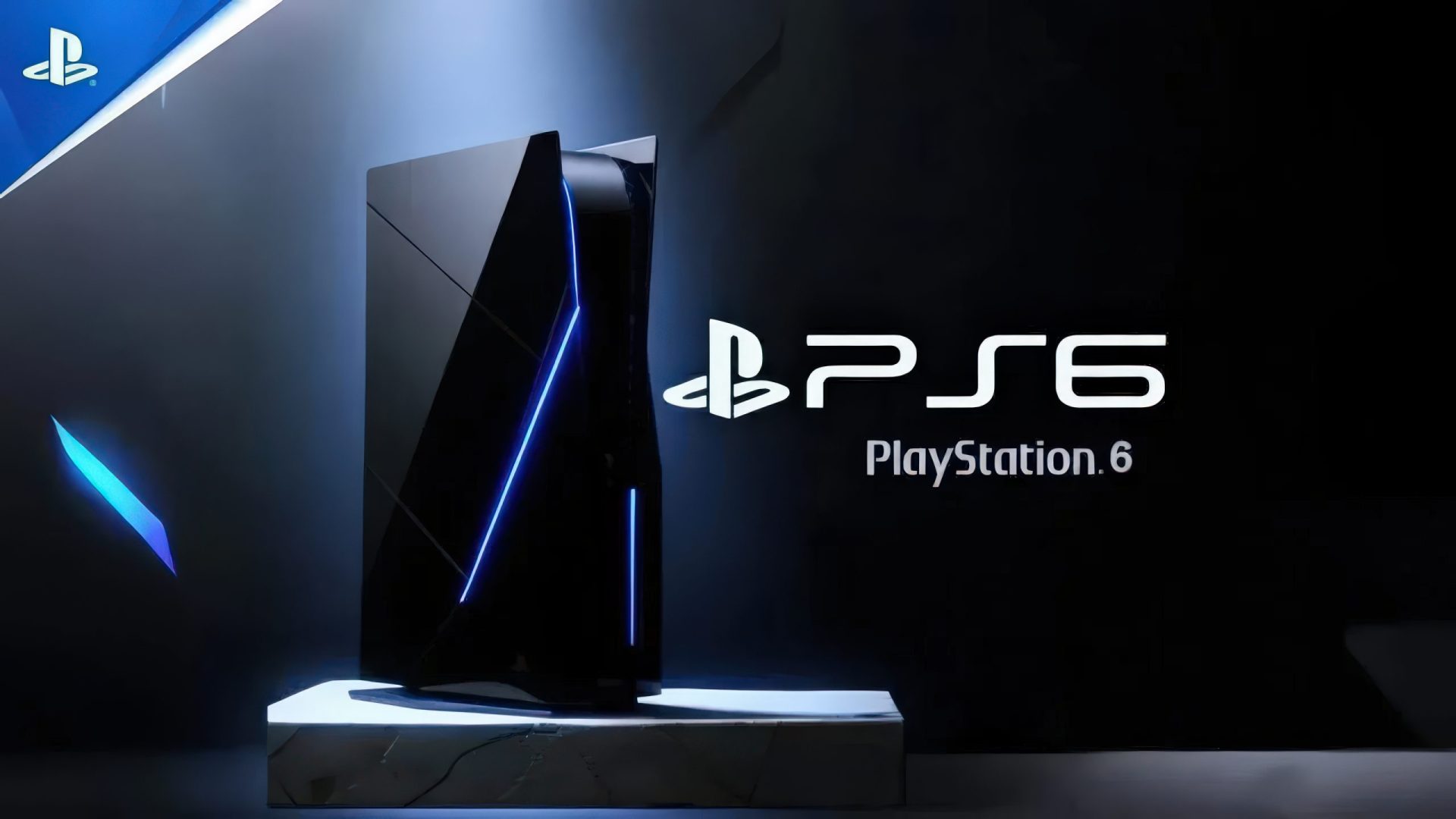
- The PlayStation 6 is rumored to feature a significant architectural shift, including a new GPU and CPU design, as well as advanced cooling solutions to address thermal throttling—a known issue with the current generation.
- Previous reports suggested development was running into hurdles, possibly related to software optimization or hardware constraints. However, no concrete evidence has emerged to support these claims.
- The leaker’s recent statement does not confirm a release window but implies that progress is being made without the level of disruption previously feared.
One thing remains certain: Sony has never been one for rushed development. The PlayStation 4, despite its own delays and growing pains, ultimately delivered a platform that set new benchmarks for performance and software quality. Whether the PlayStation 6 follows a similar path or takes an even more measured approach will determine not just its success but also the future of the industry.
The Implications: A Delay Would Reshape the Market
If the PlayStation 6 does end up delayed, the consequences would be far-reaching. For Sony, it could mean a prolonged period where the PlayStation 5 remains the flagship, potentially leading to stagnation in software innovation if developers focus more on maintaining than pushing boundaries. The gap between generations is already narrower than ever, with many games leveraging existing hardware capabilities to their fullest.
For players, a delay would mean waiting even longer for the next wave of exclusives and technological advancements. The current generation has already seen groundbreaking titles like God of War, Spider-Man 2, and Starfield, but the true potential of next-gen hardware—such as ray tracing, faster load times, and more immersive worlds—has yet to be fully explored. A delay could leave players stuck in a transitional phase where games are powerful but not yet optimized for what’s possible.
Competitors would also benefit. Microsoft’s Game Pass has already shown that subscriptions can drive significant revenue, even without the latest hardware. If Sony delays the PlayStation 6, it risks allowing Microsoft to deepen its market share, especially among players who prioritize access over raw performance. Nintendo, meanwhile, could continue to carve out its niche with hybrid hardware and innovative first-party titles.
Yet, there’s another possibility: that the leaker’s intervention is a sign of cautious optimism rather than a complete dismissal of delays. Sony has always been meticulous about quality, and if the PlayStation 6 is facing challenges, it may simply be taking the time to ensure it meets the company’s high standards. This could mean a shorter delay—or even no delay at all—if progress accelerates in the coming months.
What’s Next: The Uncertainty Remains
The industry is left with more questions than answers. Is Sony facing real setbacks, or are these delays being exaggerated? Will the PlayStation 6 emerge as a true successor to the PlayStation 5, or will it arrive as an incremental update? One thing is clear: patience will be required.
For now, the narrative around the PlayStation 6’s timeline remains fluid. The leaker’s statement provides a glimmer of hope that delays may not be inevitable, but until Sony itself speaks—or until more concrete evidence emerges—speculation will continue to drive headlines. What is certain, however, is that the stakes are higher than ever. The console market is evolving rapidly, and any misstep could have lasting consequences for all involved.