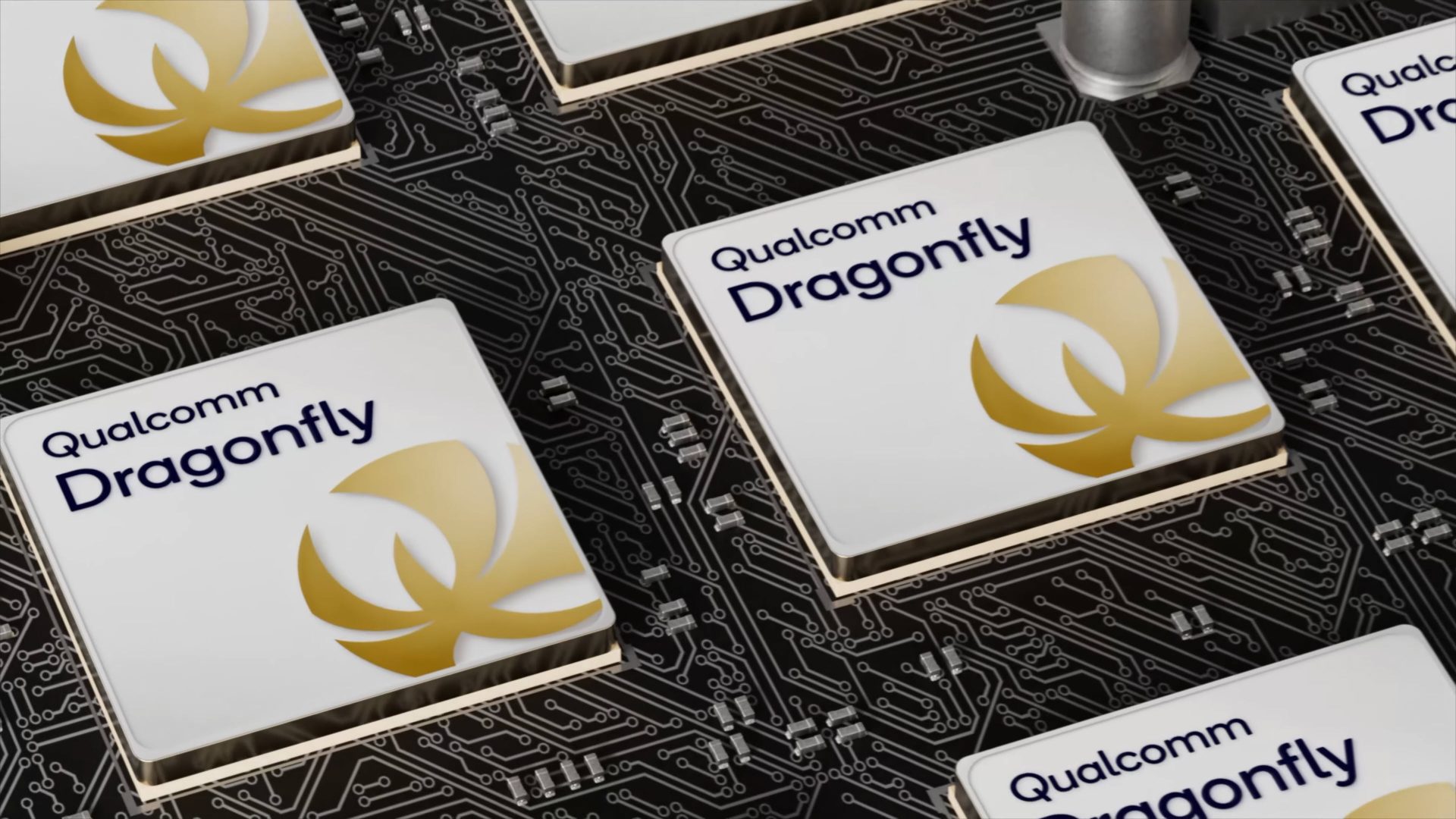
Data center operators looking to future-proof their AI infrastructure now have a clearer upgrade path. Qualcomm’s latest Dragonfly portfolio isn’t just an incremental step—it’s a strategic overhaul of compute, memory, and accelerator design that could reshape how AI models are trained and served at scale.
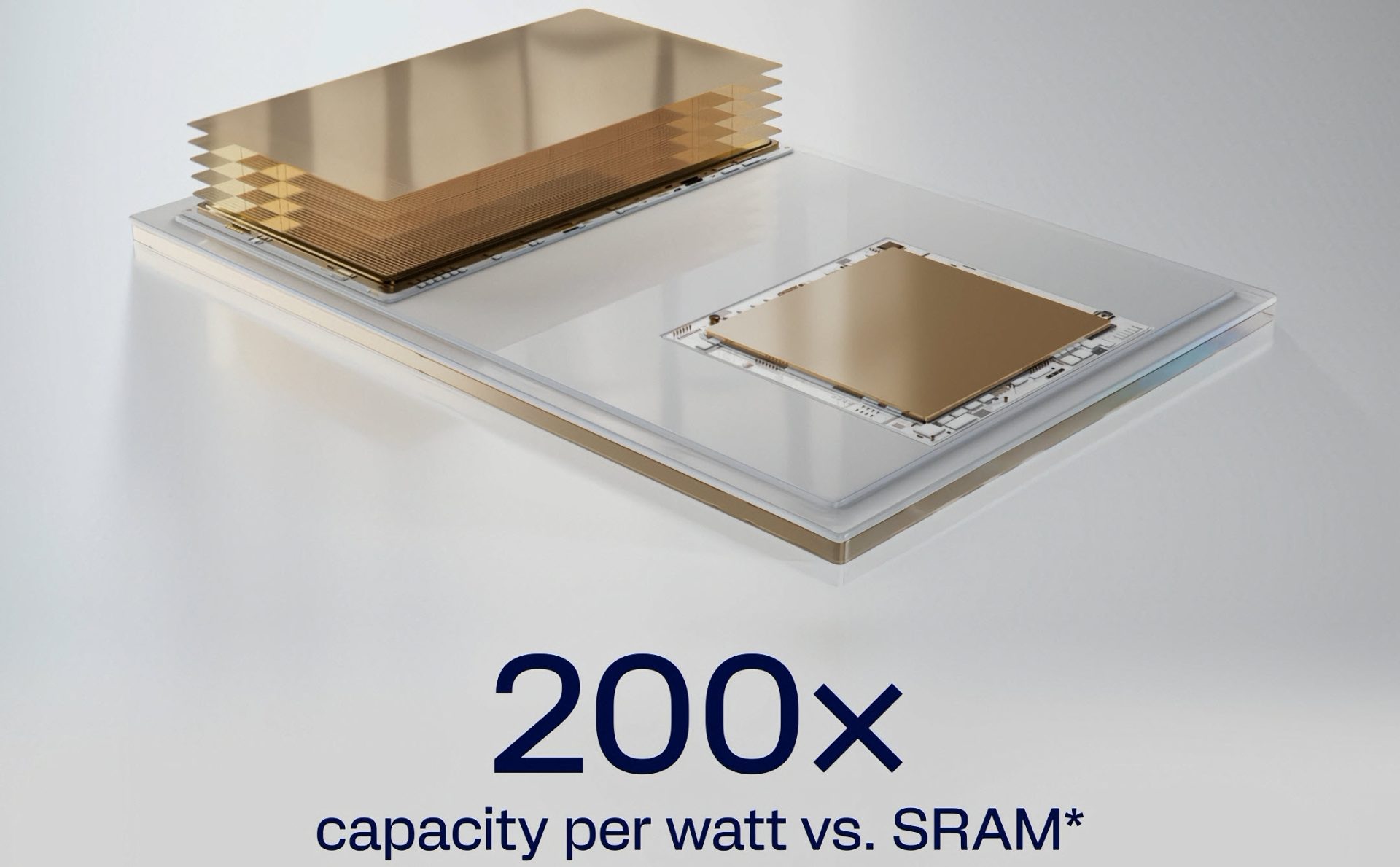
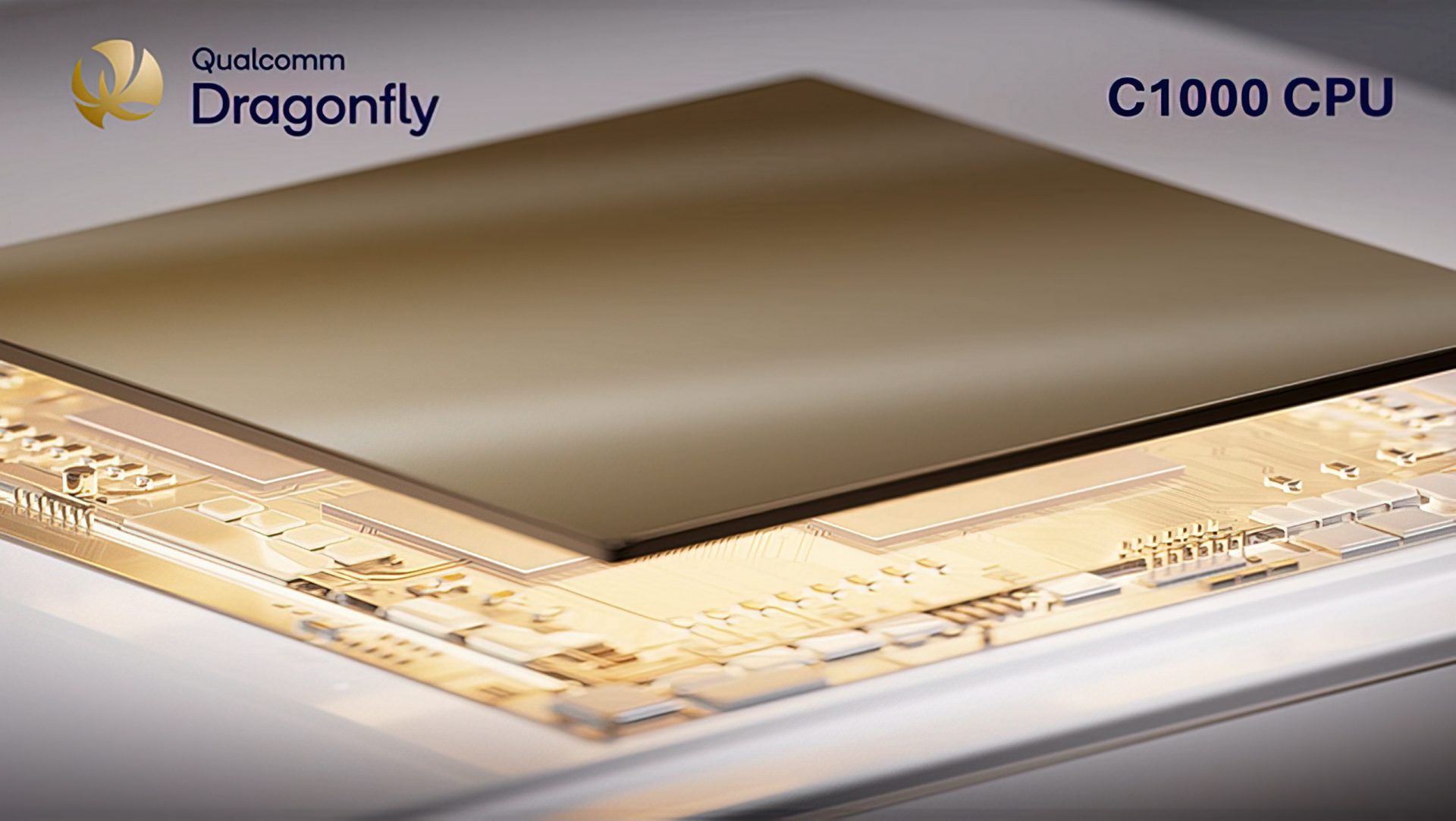
The centerpiece is the Dragonfly C1000 CPU, built from the ground up to handle the demands of next-generation AI workloads. Unlike traditional server CPUs, it integrates a specialized High Bandwidth Compute (HBC) subsystem that reduces energy consumption per token by as much as 30 percent compared to previous generations. This efficiency gain isn’t just about cost savings; it directly translates to longer runtime for large language models and faster inference times in data center clusters.
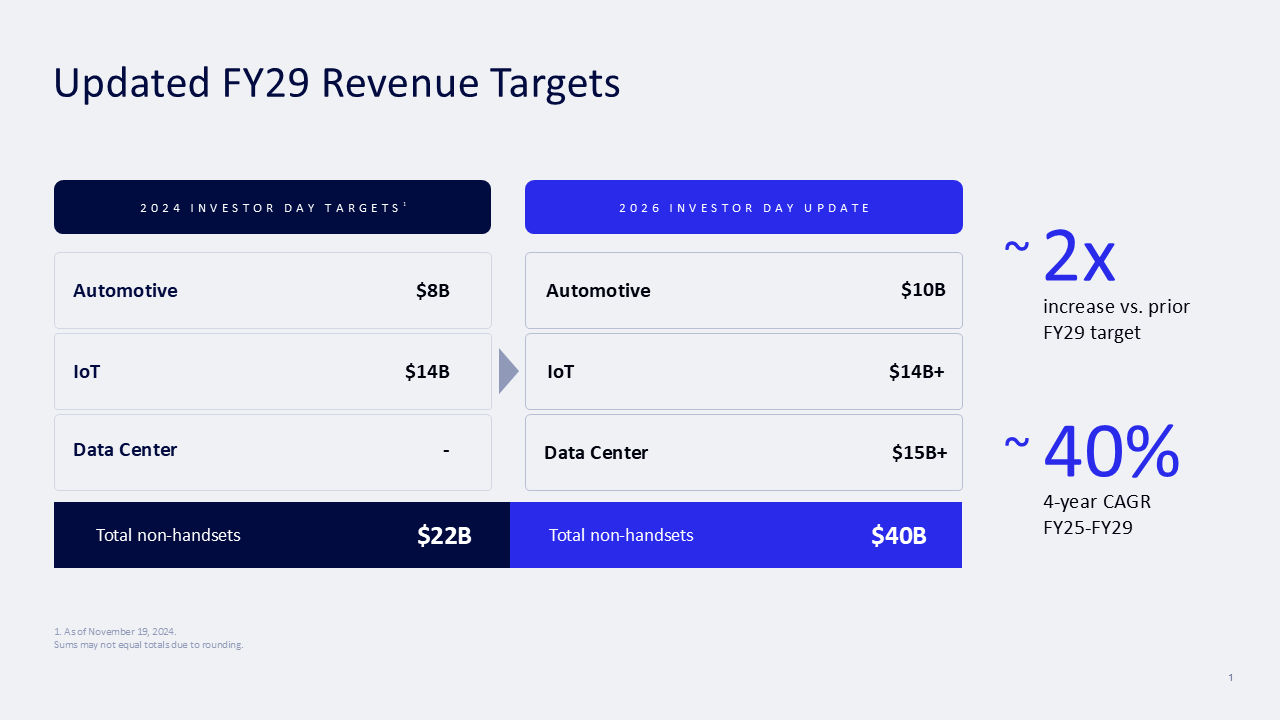
But the real innovation lies in the AI300 accelerator, which extends Qualcomm’s multi-year roadmap with a new architecture optimized for sparse tensor operations—a common bottleneck in AI training. The company has already secured multi-year agreements with major AI and data center players, signaling strong industry adoption before the first silicon ships. Over 35 ecosystem partners, including hardware manufacturers and software providers, are reportedly backing the platform, which suggests a broad shift toward Qualcomm’s vision for agentic AI workloads.
For gamers and AI enthusiasts, the implications are less immediate but no less significant. The underlying technology—like HBC’s memory efficiency—could trickle down to consumer devices over time, potentially unlocking longer battery life or faster response times in next-gen gaming hardware. However, the focus remains firmly on data center-grade solutions for now.
The Dragonfly portfolio isn’t just about raw performance; it’s about rethinking how compute, memory, and accelerators work together. The AI300, for example, is designed to minimize data movement between CPU and accelerator cores, a critical factor in keeping large models responsive. This could set a new benchmark for latency-sensitive applications, from real-time translation to generative AI.
Pricing and availability details are still under wraps, but industry analysts expect the first C1000-based systems to hit data centers by late 2027. For those eyeing long-term investments in AI infrastructure, this roadmap offers a compelling alternative to established x86 and ARM-based solutions—provided Qualcomm can deliver on its efficiency promises without sacrificing flexibility.