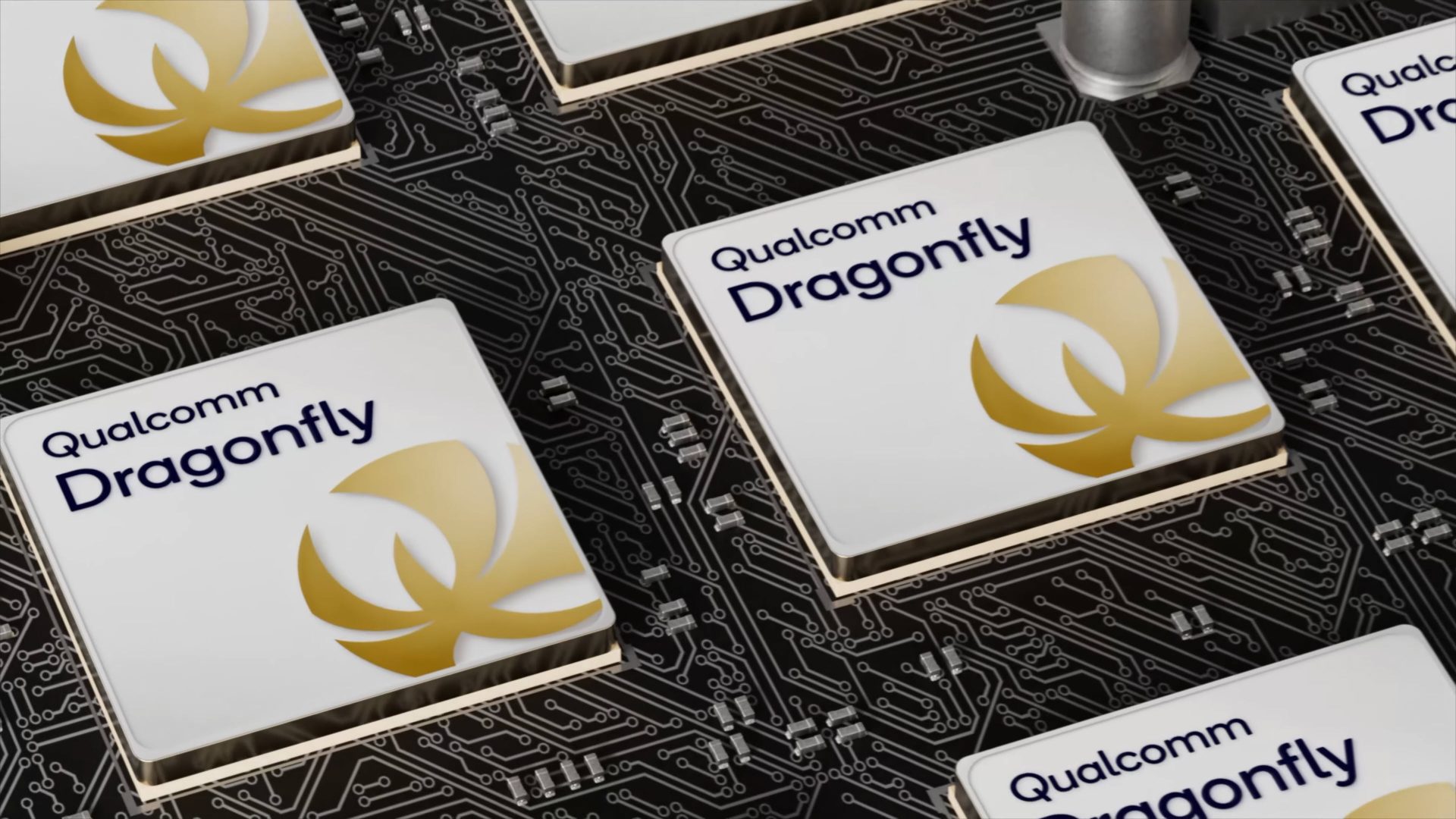
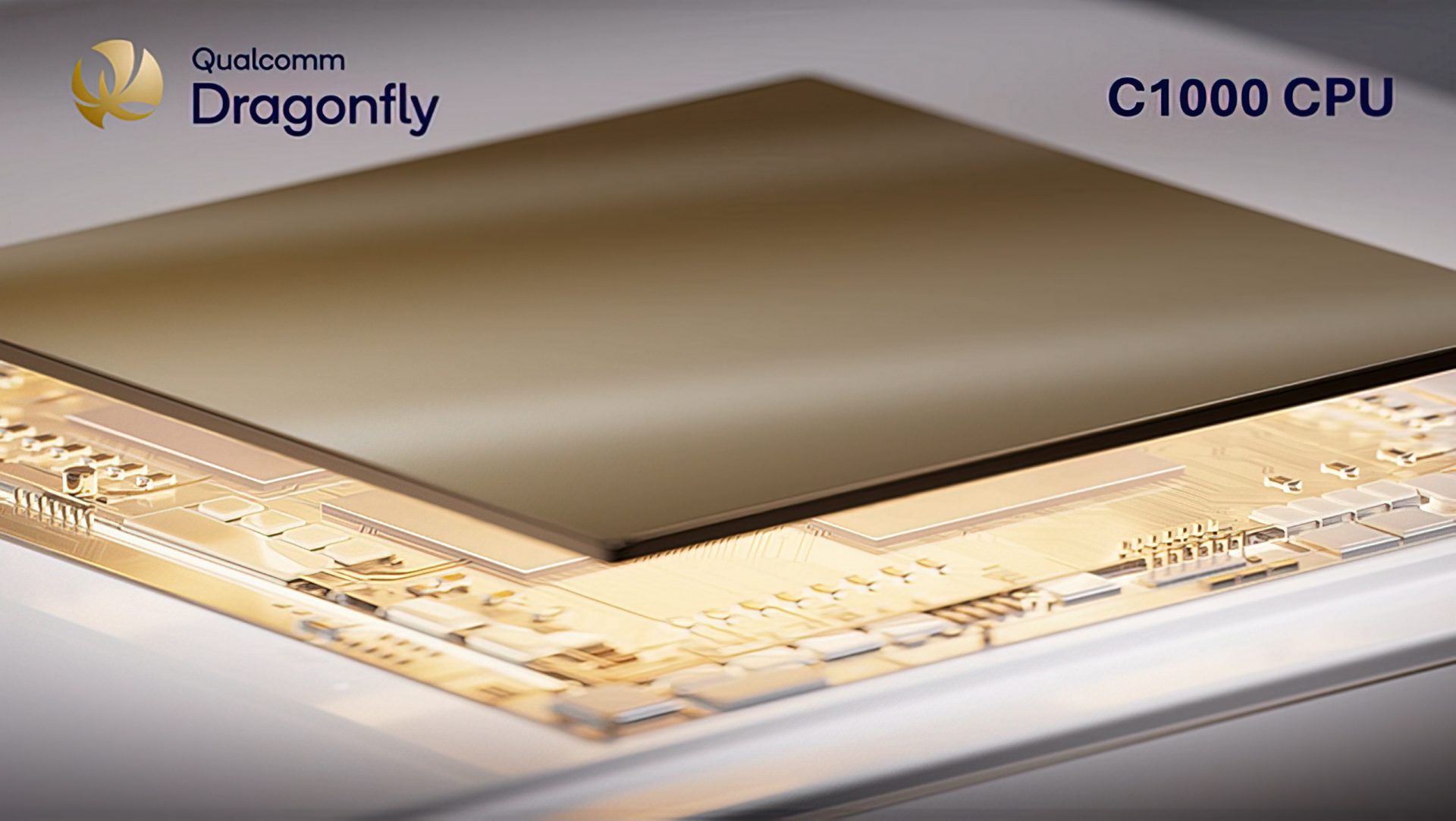
Qualcomm and Meta have formalized a multi-year agreement that will see Qualcomm’s next-generation data center CPUs become the backbone of Meta’s infrastructure, starting with the Dragonfly C1000 due in late 2028. Unlike typical vendor partnerships tied to single product cycles, this collaboration is designed to span multiple chip generations, aligning Qualcomm’s roadmap directly with Meta’s evolving compute needs.
The partnership goes beyond hardware provisioning—it embeds Meta’s requirements into Qualcomm’s development pipeline from the outset. This includes optimizing for AI workloads while maintaining scalability across general-purpose tasks. A server built or upgraded in 2028 would already benefit from significant improvements in power efficiency and sustained performance compared to current offerings, with further enhancements expected in subsequent generations.
Key elements of the agreement include
- Deployment of multiple CPU generations over several years, ensuring Meta’s infrastructure remains at the forefront without abrupt transitions.
- A focus on AI acceleration alongside general-purpose compute, addressing both current and emerging workload demands.
- Collaborative development to balance performance, power consumption, and scalability for data centers of varying sizes.
The real innovation lies in the partnership’s structure. By locking in Qualcomm as a primary supplier across generations, Meta avoids the instability of frequent vendor changes while giving Qualcomm direct insight into long-term trends. This approach allows both companies to mitigate risks associated with rapid technological shifts, ensuring that hardware advancements keep pace with software evolution without disrupting operations.
The Dragonfly C1000 marks the first tangible outcome of this collaboration, but its significance extends beyond its 2028 release date. It serves as a proof point for a model where data center hardware is co-developed with clear forward compatibility in mind—a departure from the traditional refresh cycle that has long dominated the industry.