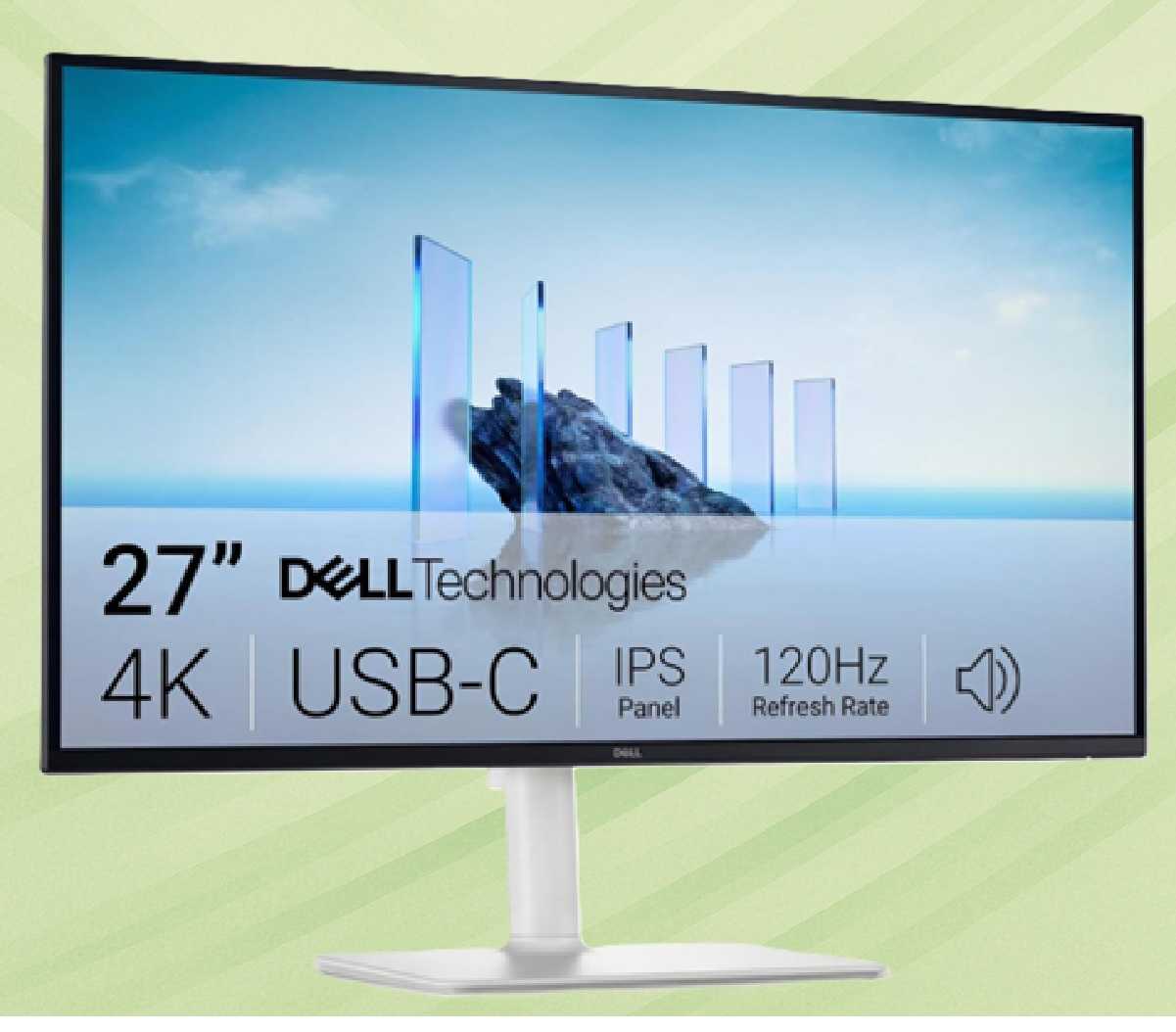
Gaming monitors have long been constrained by screen size—bigger displays often mean slower response times or reduced brightness. But LG’s latest 65-inch OLED gaming monitor flips that script, combining an expansive canvas with the fluidity demanded by competitive play. Its 144Hz refresh rate and 1ms response time remain consistent even at this unprecedented scale, a feat that could redefine expectations for large-screen displays in both gaming and professional workflows.
At a glance
- A 65-inch OLED panel with a 1,080-pixel micro dot pitch, ensuring sharpness even at extreme viewing angles
- 144Hz refresh rate and 1ms response time, maintaining responsiveness without input lag
- HDR10 support for peak brightness and contrast, rivaling smaller OLED displays
- Near-borderless design that eliminates distractions while maximizing screen real estate
- Priced competitively at around $2,500, positioning it as a premium but accessible option for high-end users
The monitor’s engineering breakthrough lies in its ability to sustain performance metrics regardless of size. Traditional OLED panels at this scale often suffer from brightness degradation or input lag under heavy workloads, but LG’s design mitigates those issues entirely. This isn’t just about gaming—its low response time and high resolution make it equally valuable for video editing, digital signage, or collaborative workspaces where precision matters.
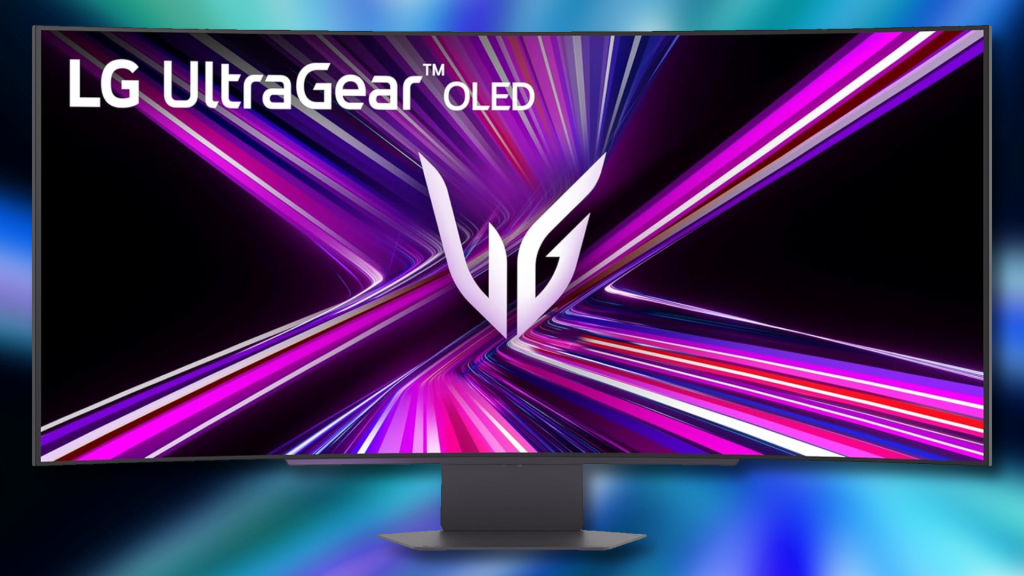
For enterprise buyers, the implications are significant. Large OLED displays have historically been reserved for premium setups due to cost or performance tradeoffs, but this monitor proves those barriers can be overcome without sacrificing functionality. The near-borderless design, for example, reduces visual distractions in shared environments, while HDR10 ensures content remains vibrant even under bright lighting conditions. At $2,500, it doesn’t just meet enterprise standards—it sets a new one.
The shift toward larger OLED displays with maintained performance metrics suggests a broader industry evolution. As demand for immersive experiences grows, manufacturers are forced to innovate around input lag and brightness, rather than accepting them as inevitable sacrifices. This monitor is a case study in that progress, offering proof that screen size and computational demands need no longer be at odds. For those who’ve longed for a massive display without compromising on responsiveness, it arrives just in time.