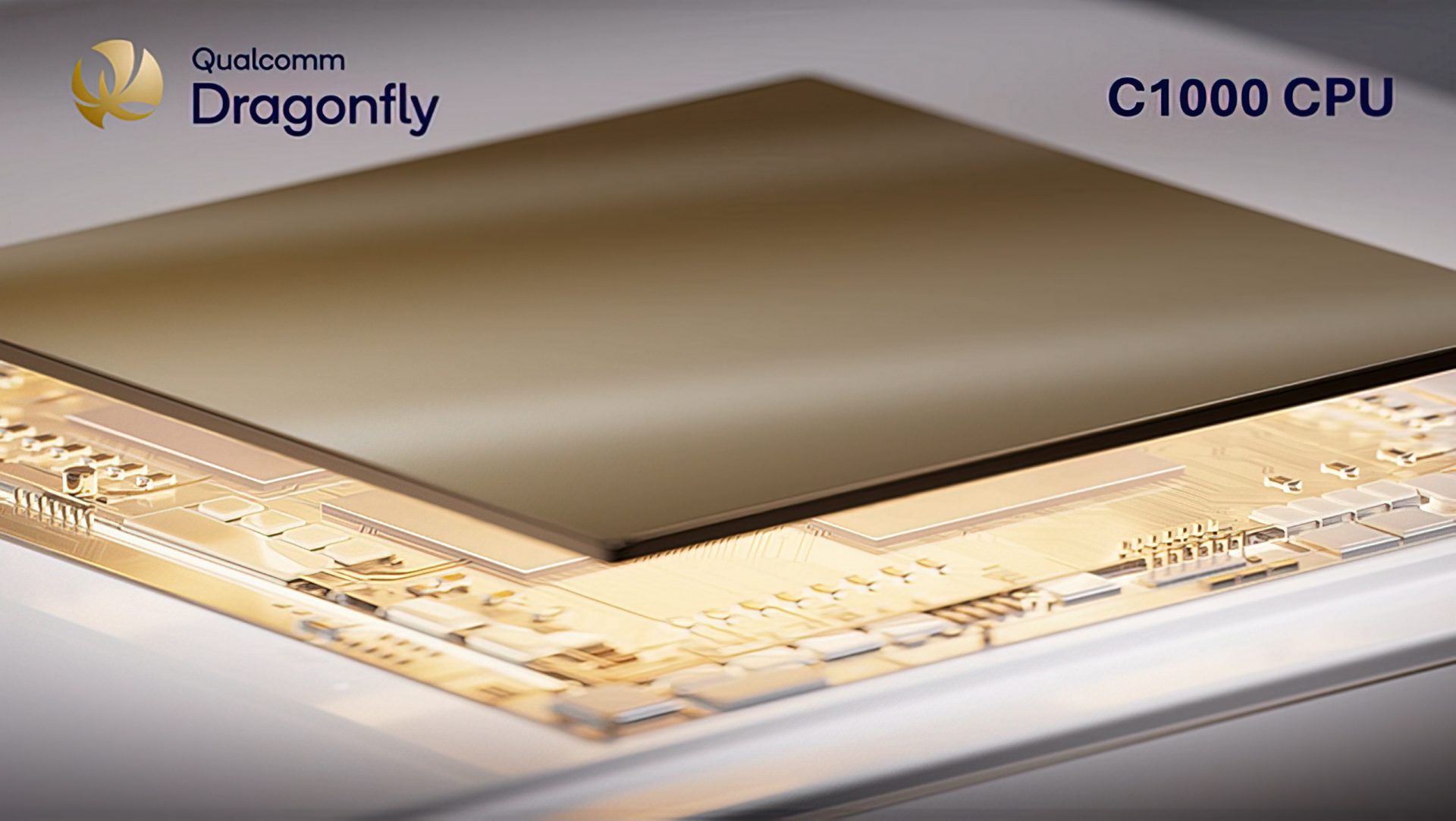
In the relentless pursuit of AI performance, Qualcomm has taken an unconventional path—stacking compute units directly beneath DRAM to tackle the memory wall head-on. The result? A system that claims to deliver six times the bandwidth per watt of HBM, a figure that could redefine how data centers and edge devices handle heavy workloads.
The new technology, known as Heterogeneous Batch Compute (HBC), is designed to bridge the gap between CPU and memory by placing compute clusters closer to DRAM chips. This isn't just about raw speed; it's about efficiency. By reducing the distance data travels, HBC aims to cut latency while boosting throughput—critical factors for AI inference tasks that demand both speed and power savings.
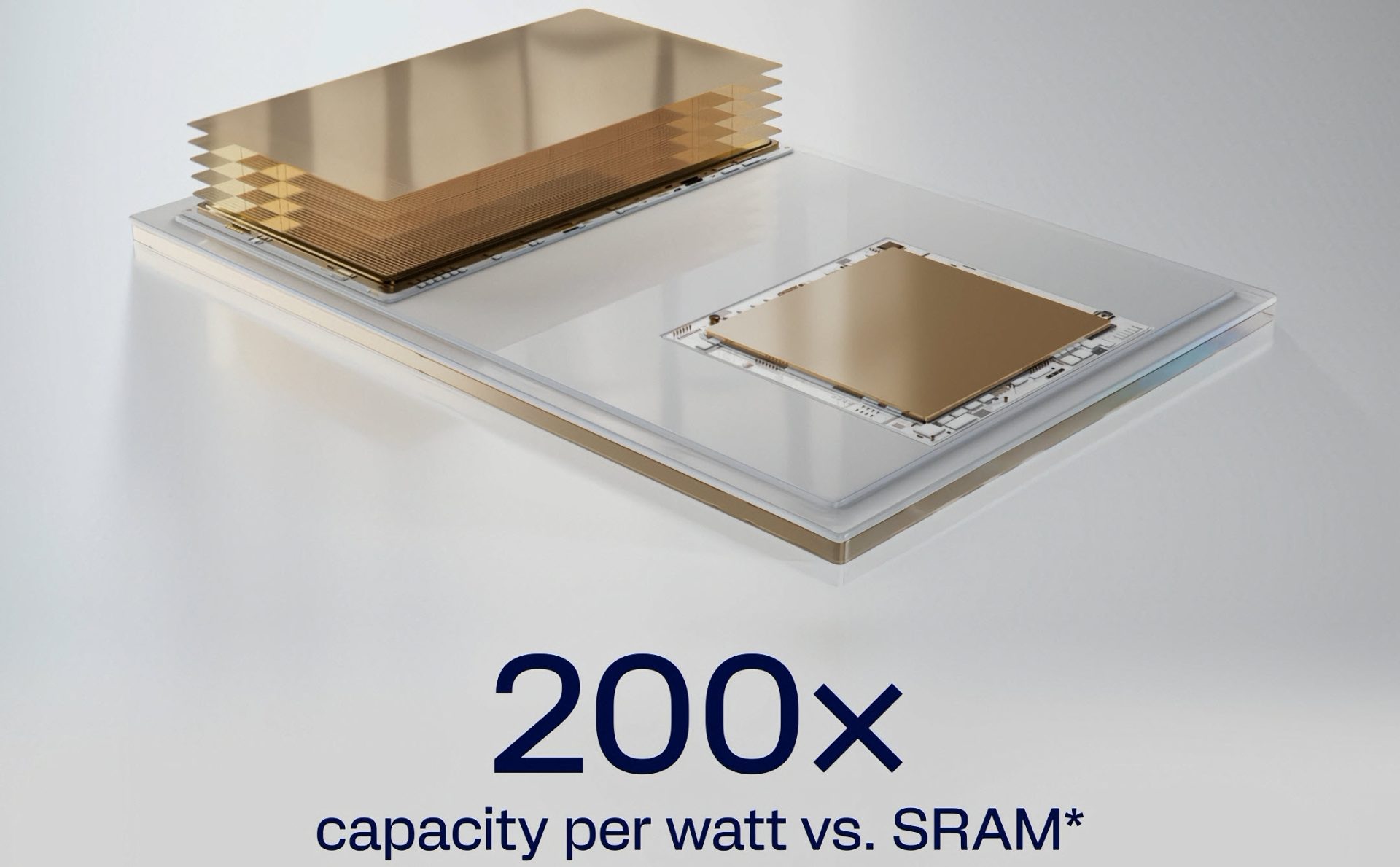
- Key specs:
- 6x bandwidth per watt compared to HBM
- Direct stacking of compute units beneath DRAM
- Targeted at AI workloads with high memory demands
The potential benefits are clear, especially for data centers crunching massive datasets or edge devices running real-time AI models. However, the question remains: will this approach deliver tangible improvements, or is it another step in a long line of incremental gains? For now, the focus is on whether HBC can translate its theoretical advantages into measurable performance without sacrificing compatibility.
For those eyeing upgrades, timing and pricing will be critical. If Qualcomm's claims hold, this could be a game-changer for workloads that push memory bandwidth to its limits—but caution is warranted until real-world benchmarks surface. The next few months may reveal whether HBC is a milestone or merely another evolution in the AI arms race.