Epic Games is advancing a strategy that could redefine how players interact with multiple titles. At the core of this approach is the idea that in-game cosmetics and items should be transferable across different games, creating a unified economy that benefits both developers and players.
The push for interconnected game economies comes as Unreal Engine 6 prepares to roll out expanded support for smart assets and interoperability. This aligns with Epic’s broader vision, where games are no longer siloed experiences but part of larger, cross-platform ecosystems. The move could also influence how players discover new titles, potentially reducing reliance on console exclusivity.
What Changes for Players
Players may soon see cosmetics or items they purchase in one game become usable in another, provided both titles are built on compatible engines. This could make cross-game purchases more appealing, as players gain access to a broader range of content without needing to buy multiple copies of games. However, the practical impact depends on how many developers adopt this standard—something that remains uncertain given the industry’s shift toward closed ecosystems.
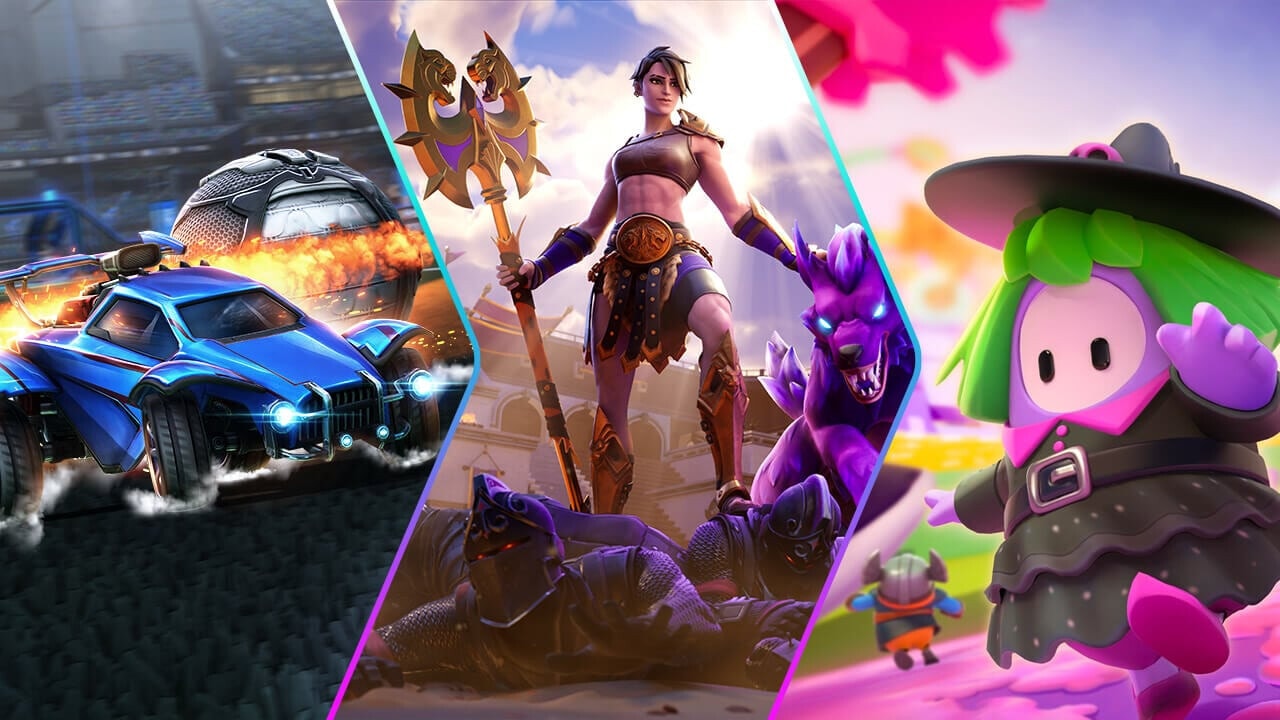
What Changes for Developers
- Developers will need to ensure their games support smart assets and interoperability features in Unreal Engine 6.
- Cross-game economies could increase player retention, but require robust security measures to prevent exploitation.
- Collaborations between studios may become more common as developers seek to leverage shared audiences.
Industry Shift Reflection
The timing of this push is notable, as major platforms like Xbox and PlayStation are moving toward stricter exclusivity. While Epic’s vision could open new opportunities for cross-platform engagement, the success of interconnected economies will depend on whether developers and players adapt to a more fluid, less restrictive gaming landscape.