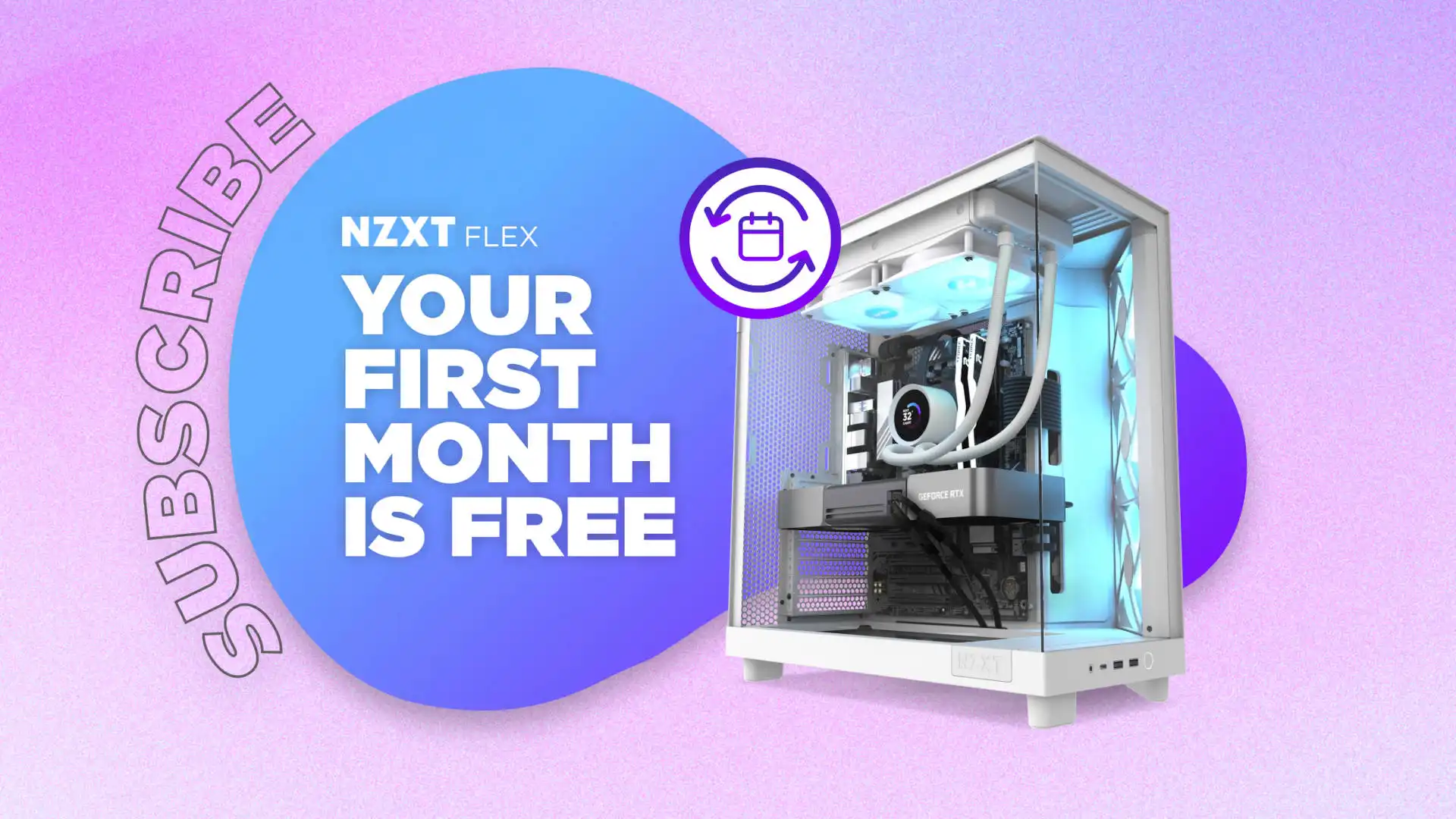
For creators and developers who rely on powerful but expensive workstations, the tradeoff between upfront costs and long-term value has always been a tough one. NZXT’s Flex PC rental program now offers a way out: renters can pause payments to own their system outright or even walk away with debt forgiveness if they choose to stop. But is this a smart move for those who need performance today, or just another layer of complexity in an already crowded market?
NZXT’s Flex program, which launched earlier this year, lets users rent high-end PCs from the company on a monthly basis. The catch? If you decide to keep paying, you gradually build equity toward ownership—no interest, no hidden fees. But if you hit a financial snag or simply change your mind, NZXT will wipe the slate clean and let you walk away without owing anything further.
Who Benefits?
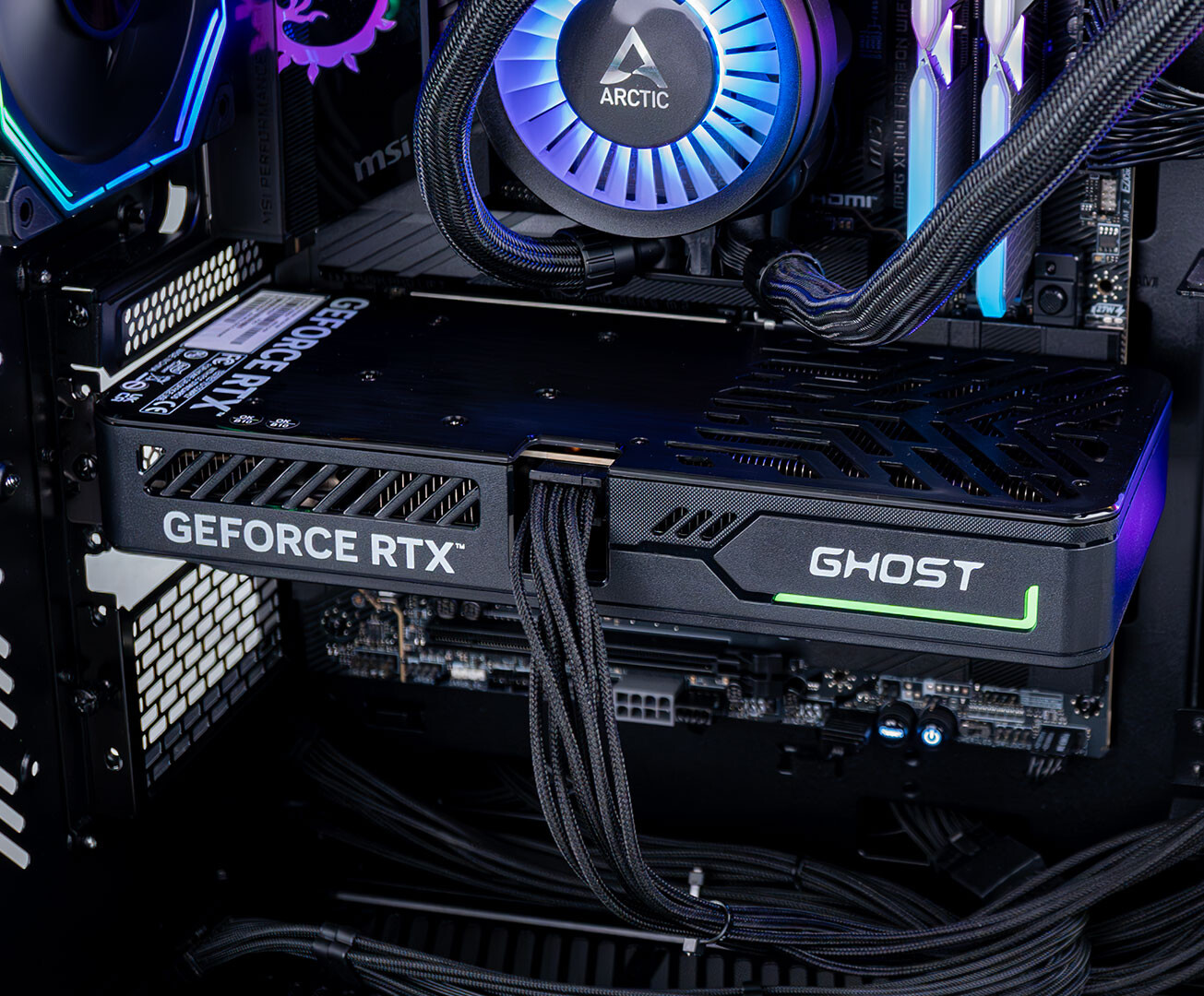
The program is designed for professionals who need serious firepower but can’t—or don’t want to—commit to a large upfront purchase. Freelance developers, 3D artists, or data analysts who rely on top-tier GPUs and CPUs could see this as a way to get the hardware they need without tying up capital in a single machine. The Flex line includes systems with configurations like an Intel Core i9-14900K paired with an NVIDIA RTX 4090, all while keeping monthly payments within reach.
But Is It Worth It?
There’s no denying the appeal: no debt if you leave, no interest, and the ability to upgrade hardware as NZXT releases new models. However, the real question is whether this model holds up under scrutiny. For one, the monthly payments—starting around $400 for a high-end system—are still significant compared to traditional financing options or outright purchases. Then there’s the risk of obsolescence: if you pause payments and then decide to keep going, will NZXT simply hand you a newer machine, or are you stuck with an older one? The fine print on that hasn’t been fully clarified yet.
What About Admins?
For IT administrators managing fleets of workstations, the Flex program introduces a new layer of complexity. Unlike traditional leasing or financing, where hardware is locked in for a term, NZXT’s model allows users to switch out at any time without penalty. That could simplify asset management for some teams, but it also means admins need to account for potential churn—users who walk away after a year or two, leaving behind systems that may not align with company standards.
The Road Ahead
NZXT’s move is part of a broader trend in the tech industry toward more flexible consumption models. Whether this translates into long-term savings—or just another way to defer the cost of ownership—remains an open question. For now, the program offers a rare blend of flexibility and risk mitigation, but it’s worth watching how the company handles upgrades and user transitions before declaring it a game-changer.