The landscape of buying used PC parts in 2026 is more complex than ever. Developers looking to cut costs without sacrificing performance are finding a growing selection of pre-owned hardware, but with it comes a sharp rise in scams, counterfeit goods, and unreliable sellers. What was once a niche practice has now become a mainstream strategy for many, yet the risks have evolved alongside the market.
Until recently, buying used PC parts was often limited to trusted forums or local markets where reputation mattered more than price tags. But as the market has scaled, so too has the sophistication of fraudulent schemes. Today, developers must navigate a mix of legitimate sellers and opportunistic scammers, making due diligence more critical than ever.
At its core, the used PC parts market offers significant savings—components like graphics cards, CPUs, or SSDs can be purchased for a fraction of their original price if they are in good condition. However, the lack of transparency around a part’s history, warranty status, or even authenticity has created a new layer of uncertainty. For developers building high-performance systems on tight budgets, this uncertainty is no longer just an inconvenience; it’s a potential roadblock to efficiency.
One of the biggest challenges is verifying the condition of used parts. Without access to detailed logs or manufacturer warranties, even experienced buyers can fall prey to misrepresented hardware. Counterfeit GPUs, for example, have become more common, often mimicking high-end models but failing under load. Similarly, used SSDs may claim large capacities that don’t match their actual storage, leading to performance bottlenecks in development environments.
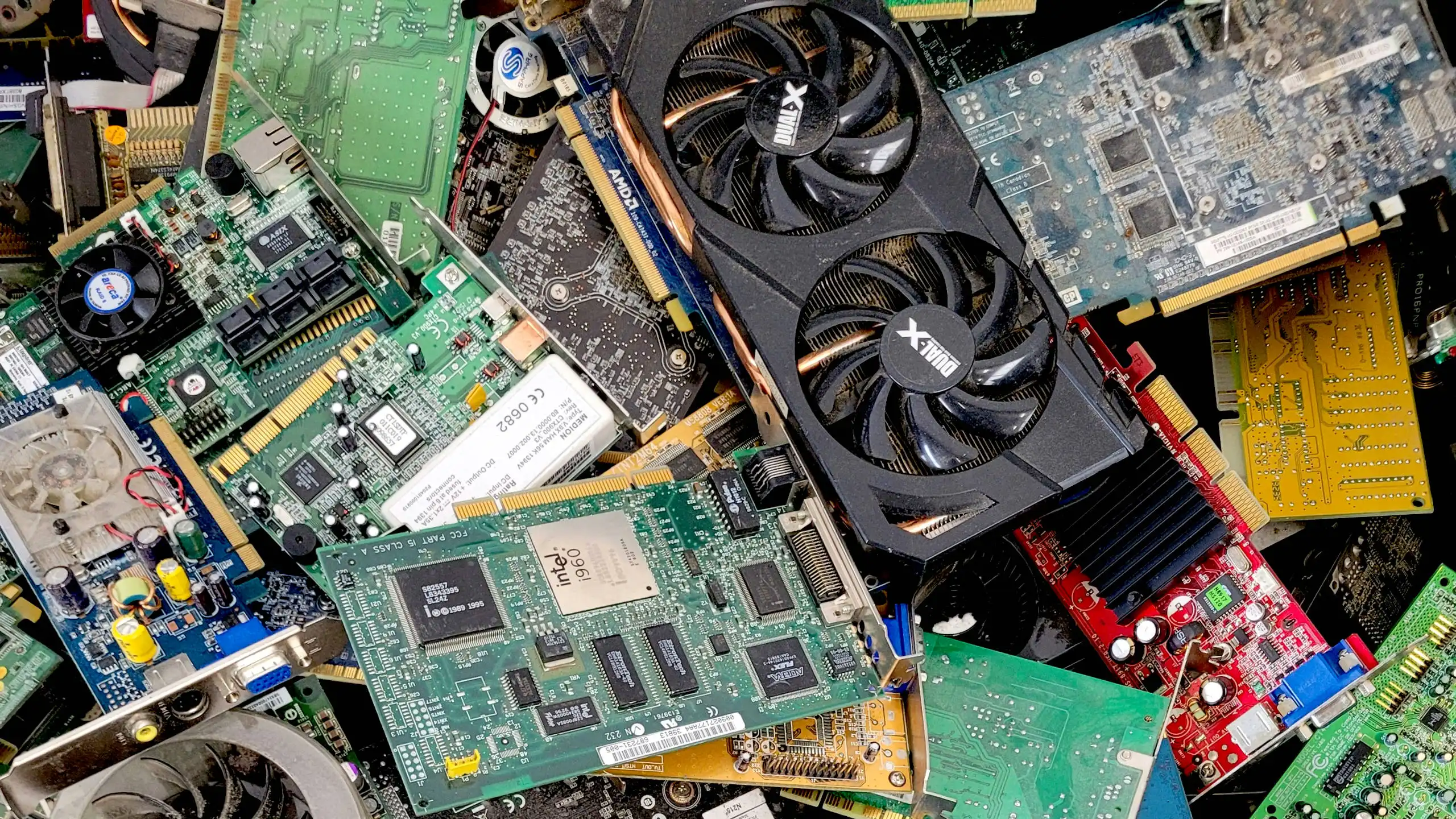
Another critical factor is the operational cost of sourcing and testing used parts. Developers who rely on pre-owned hardware must invest time in thorough testing—stress-testing GPUs for stability, checking SSD health with diagnostic tools, or verifying CPU compatibility with existing systems. This process adds overhead, but skipping it can result in costly mistakes down the line.
So how do developers navigate this landscape safely? The first step is to prioritize sellers with verifiable reputations—those who provide detailed histories, return policies, and ideally, manufacturer-backed warranties for used parts. Trusted marketplaces that specialize in PC hardware often have systems in place to authenticate components, reducing the risk of counterfeits.
Testing remains non-negotiable. Even with a reputable seller, used parts should undergo rigorous benchmarks before integration. For GPUs, this means running stability tests under load; for SSDs, tools like SMART data checks can reveal wear and tear that isn’t immediately obvious. Developers should also cross-reference part numbers against known specifications to ensure they’re getting what they pay for.
On the horizon, industry efforts to standardize used hardware markets may help level the playing field. Initiatives to track component histories more transparently could emerge in 2027, but for now, caution is the best policy. The market’s potential for savings is undeniable, but the risks are real and require a disciplined approach.
The used PC parts market isn’t going away, and its growth will likely continue as more developers seek cost-effective solutions. For those willing to invest the effort in vetting and testing, it remains a viable path to building powerful systems without breaking the bank. But for now, the onus is squarely on the buyer to stay informed and vigilant.