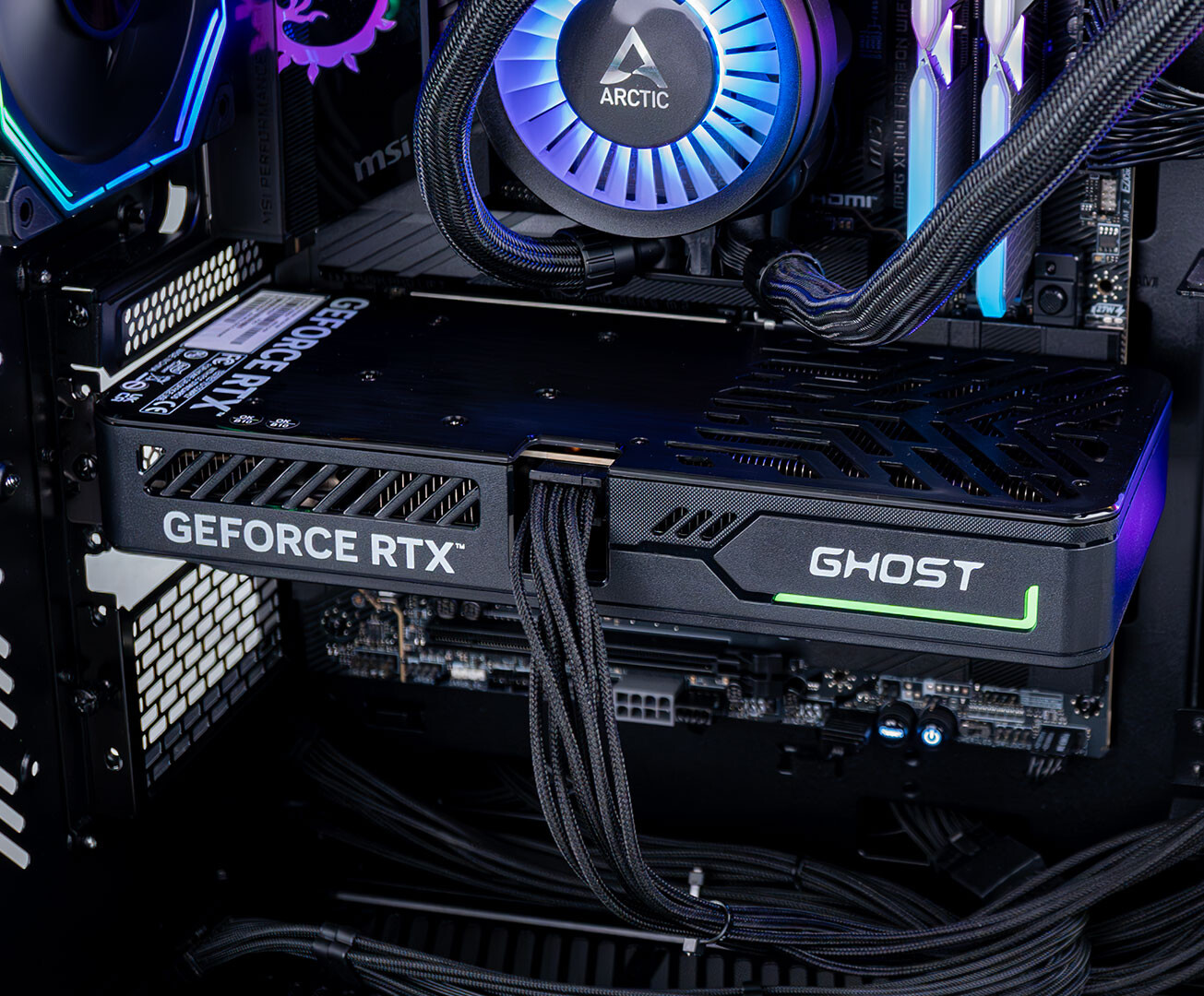
For power users accustomed to the flexibility of third-party hardware, a potential acquisition by NVIDIA could introduce both opportunities and constraints. If the company moves forward with acquiring a PC manufacturer, it would mark a significant shift in how gaming and professional workloads are delivered—one that could tighten platform lock-in while also streamlining performance optimization.
Rumors suggest NVIDIA is exploring this path, aiming to reinvent how PCs are designed, manufactured, and distributed. The move would extend its influence beyond GPUs into the full stack of computing hardware, but it also raises questions about supply chain dynamics, pricing strategies, and the balance between innovation and market accessibility.
The Technical and Strategic Implications
NVIDIA’s focus on AI acceleration has already pushed it toward tighter integration with software stacks, such as its partnership with Microsoft for AI-ready data centers. A PC acquisition would amplify this trend, allowing NVIDIA to control not just the GPU but also the system-level optimizations that matter most to power users—thermal management, power delivery, and even cooling solutions.

However, such a move would also introduce challenges. Platform lock-in could limit hardware choice for developers and consumers alike, potentially narrowing the ecosystem of compatible components. Supply chain constraints, already a concern in the semiconductor industry, might further complicate availability and pricing if NVIDIA prioritizes its own stack over third-party compatibility.
What to Expect: Pricing, Supply, and Availability
The biggest question for power users is whether this would lead to premium-priced systems designed around NVIDIA’s software and hardware ecosystem. Early indications suggest that such machines could target high-end gaming and AI workloads, but the trade-off might be reduced flexibility in hardware upgrades or peripheral support.
If realized, this acquisition would not only reshape NVIDIA’s market position but also force competitors to adapt. The implications for supply chains—from component sourcing to manufacturing—could ripple through the industry, making it a critical development to watch for those invested in performance computing.