NVIDIA is pushing telecom networks toward true autonomy, moving beyond the limitations of traditional automation. The company’s latest AI agents are designed to handle complex tasks—from network diagnostics to customer interactions—without relying on human intervention for decision-making. This shift promises not only faster operations but also systems that learn and adapt in real time, potentially redefining how telecom operators manage their infrastructure.
Breaking the Automation Barrier
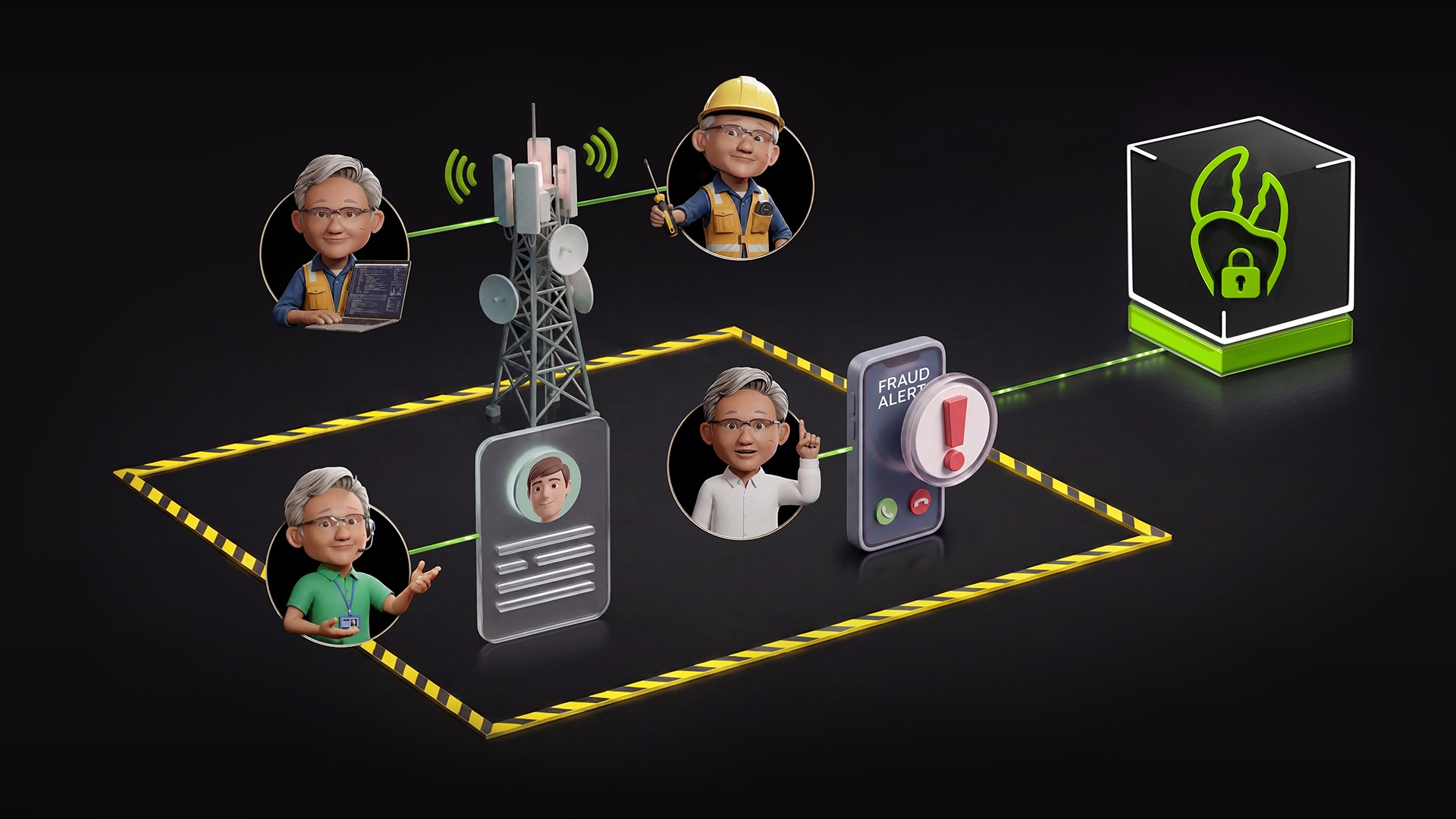
The current generation of AI in telecom excels at repetitive, rule-based tasks, such as troubleshooting or processing customer queries. However, these systems still require human oversight for critical decisions. NVIDIA’s new agents aim to eliminate that dependency by incorporating trusted execution, ensuring high reliability and minimizing errors. Unlike batch-processed automation, these agents operate continuously, handling real-time demands without fatigue.
- Trusted execution: Agents reduce false positives in diagnostics and interactions, improving accuracy.
- 24/7 availability: No downtime or performance degradation over time.
- Scalability: Built to support large-scale telecom environments with distributed workflows and edge computing.
For developers building telecom systems, the transition to autonomy means designing for self-sufficient AI that can evolve without manual retraining. The challenge will be ensuring these agents integrate smoothly into legacy infrastructure while maintaining trustworthiness—a balance that could determine their success in the field.
A Competitive Edge with Autonomy
Telecom operators with high-volume networks stand to benefit most from this shift, as efficiency gains directly translate to cost savings and improved service quality. However, smaller operators or those with outdated systems may face longer adoption timelines. The long-term question is whether autonomy can become the industry standard or if it will remain a niche capability for early adopters.
End users may notice subtle improvements first—fewer network outages, more responsive support—but the cumulative effect could be transformative. The key risk lies in ensuring these autonomous systems don’t introduce new vulnerabilities while delivering on their promise of reliability and adaptability.
The Road Ahead
NVIDIA’s AI agents represent a pivotal moment for telecom, but their impact will depend on two critical factors: integration and industry adoption. Seamless compatibility with existing workflows is essential to avoid disruptions, while the speed at which operators embrace autonomous AI could determine market leadership.
The race is already underway, with early movers poised to gain a competitive advantage. For developers, the focus must shift from optimizing for human oversight to building systems that can coexist with and evolve alongside these autonomous agents—without sacrificing innovation in the process.