The integration of CPU and compute functionality into one package marks a significant departure from traditional hardware design. This approach, codenamed Triggerfish, is engineered to deliver superior AI performance by eliminating the inefficiencies often associated with multi-chip systems. The result is a more streamlined architecture that could set a new benchmark for efficiency in AI workloads.
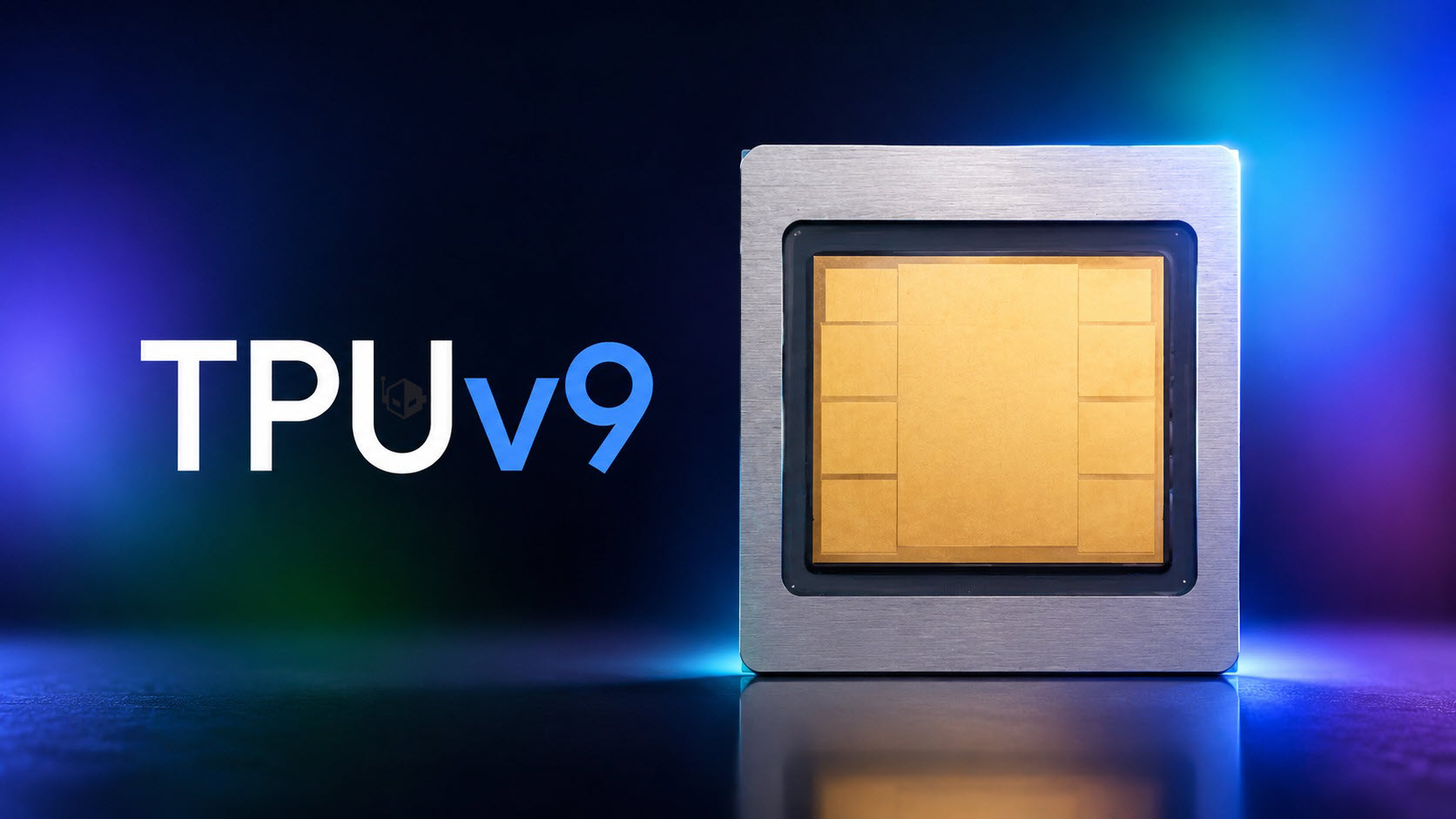
At the heart of this innovation lies MediaTek's expertise in chip design, combined with Google's advancements in tensor processing. The Triggerfish package features a Tensor Processing Unit (TPU) version 9, which is optimized for complex AI tasks such as machine learning and agentic AI. Paired with a high-performance CPU, the system aims to balance general computing needs with specialized AI workloads, offering a versatile solution for developers and enterprises.
- Key Specifications:
- MediaTek's integrated CPU and TPUv9 die
- Optimized performance for AI workloads, including machine learning and agentic AI tasks
- Reduced latency and improved power efficiency compared to traditional multi-chip designs
The potential benefits for end-users are substantial. Gamers and AI enthusiasts may experience faster, more responsive systems, but the consolidation of components could introduce compatibility risks with existing software and hardware ecosystems. Buyers will need to weigh these performance gains against any limitations in flexibility or cost.
Market Dynamics and Challenges
The collaboration between Google and MediaTek reflects a broader industry trend toward integrated AI solutions. This shift could simplify hardware development while pushing the boundaries of compute efficiency. However, its success hinges on several critical factors, including pricing, supply chain stability, and compatibility with existing platforms.
Pricing is expected to be a key consideration, as the integration of CPU and compute dies may lead to higher costs for consumers. MediaTek's established manufacturing capabilities could help offset this, but competition from other AI hardware players will also play a role. Supply chain challenges, particularly in semiconductor production, could further impact availability and pricing in the near term.
For gamers, the primary question remains whether Triggerfish can deliver noticeable performance improvements without sacrificing compatibility with current setups. The risk of being locked into a proprietary ecosystem is a valid concern, especially if the package does not support third-party software or hardware as seamlessly as traditional multi-chip designs.
Future Outlook
As Triggerfish transitions from development to market, its ability to address these challenges will determine its long-term success. Early adopters may find themselves at the forefront of AI innovation, but they must carefully evaluate whether the benefits justify any potential drawbacks. If successful, this collaboration could set a new standard for AI hardware, reshaping the industry in the years to come.
Triggerfish is still in development, with no confirmed pricing or availability details. Buyers should expect updates as the project progresses, but the potential implications for AI performance and compatibility are already clear. This bold step forward by Google and MediaTek promises to redefine the landscape of AI hardware, offering both opportunities and challenges for the market.