Gaming’s next major shift arrives June 25, not as a single headline-grabbing announcement but as a layered ecosystem adjustment—where long-awaited expansions meet legacy titles, forcing players to recalibrate their expectations around hardware, software, and long-term investment.
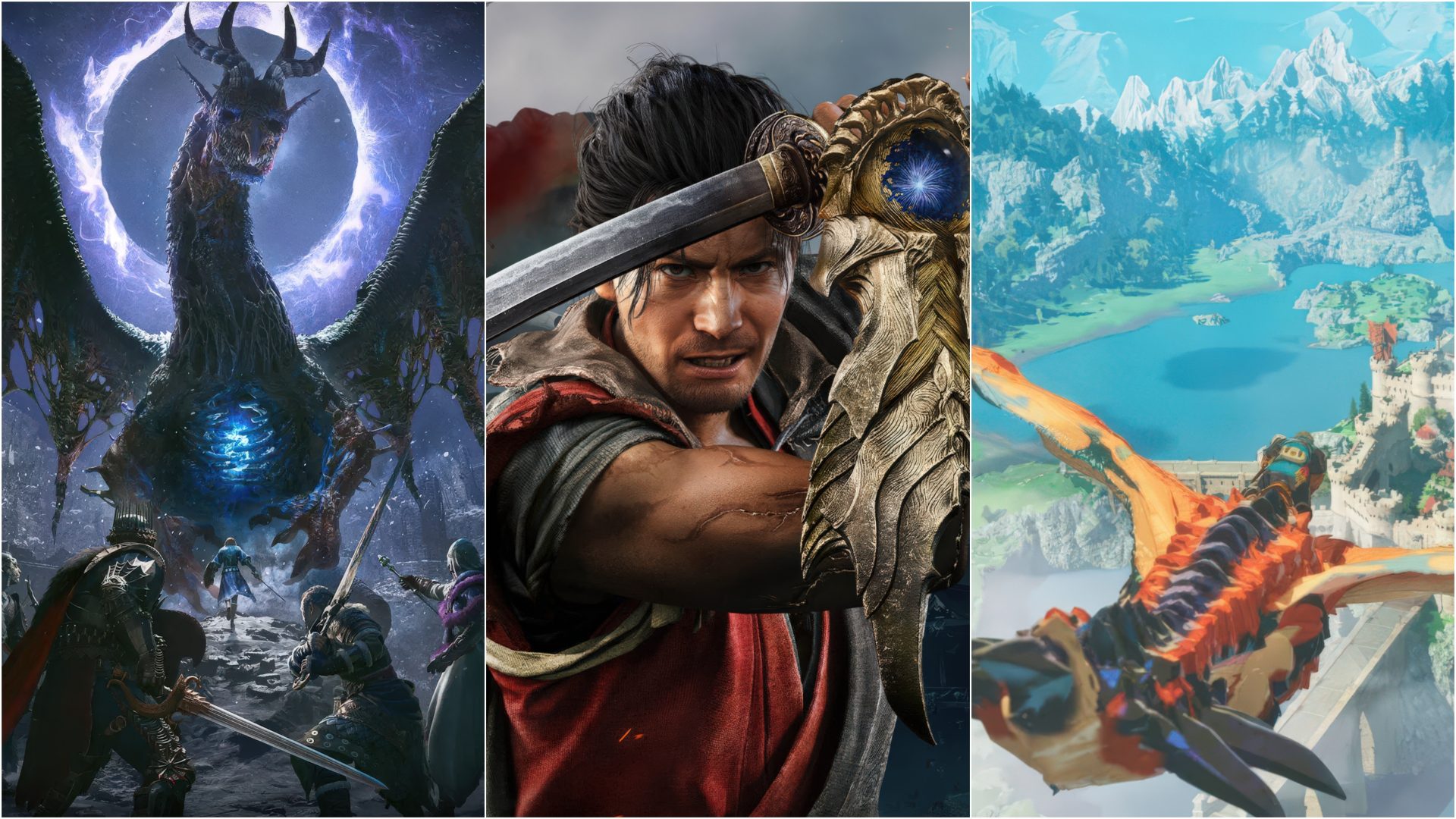
The core tension emerges between what Capcom is delivering now and what it’s leaving behind. On one side, the Dragon’s Dogma II expansion promises a deeper dive into an already established universe, catering to enthusiasts with expanded lore and mechanics. On the other, Monster Hunter Stories 3 and Onimusha represent a calculated pivot—one toward narrative-driven experiences, the other toward a retro revival that tests whether modern audiences will engage with legacy systems without the guarantee of forward compatibility.
For players already invested in Capcom’s universe, this lineup is a mixed bag. The Dragon’s Dogma II expansion adds 15 new hours of content, but only for those who’ve committed to the base game and its first DLC—a structure that rewards loyalty while risking alienation for newcomers. Meanwhile, Monster Hunter Stories 3, built on a different foundation, forces a choice: double down on the series or treat it as an outlier in Capcom’s portfolio.
At the heart of this shift is a quiet but critical compatibility risk. Onimusha, returning after years in development, arrives without clear assurances about cross-platform play or future updates—a gamble that could leave players stranded if Capcom’s roadmap shifts again. The question isn’t just whether these titles will perform well; it’s whether they’ll integrate smoothly into existing workflows or create new friction points.
For administrators and system managers, the implications are more immediate. Supporting Dragon’s Dogma II’s expansion requires not just storage for its 25 GB patch but also validation of its performance on mid-range GPUs, where frame drops could become a bottleneck. Monster Hunter Stories 3, with its optimized 8 GB RAM footprint, offers a cleaner path for deployment in controlled environments, but Onimusha’s lack of transparency around system requirements introduces uncertainty.
Where things stand now: Capcom has successfully balanced enthusiasm with restraint, delivering content that appeals to both hardcore fans and casual players—but the tradeoffs are becoming harder to ignore. The challenge ahead isn’t just launching these titles; it’s ensuring they don’t become isolated islands in an increasingly fragmented gaming landscape.
Looking ahead, Capcom’s strategy will be tested by how well these titles adapt to evolving player behaviors and technical constraints. The Dragon’s Dogma II expansion, while promising for existing players, may struggle to attract new audiences without clearer onboarding paths. Monster Hunter Stories 3, with its narrative focus, could redefine expectations for the series if it successfully bridges the gap between action and storytelling. Meanwhile, Onimusha’s retro revival will hinge on whether Capcom can mitigate compatibility risks while maintaining performance standards.
For developers and IT teams, this lineup underscores the need for robust deployment strategies that account for both backward and forward compatibility. Ensuring seamless integration across platforms, managing storage requirements, and mitigating performance bottlenecks will be critical to avoiding disruptions in gaming workflows. Capcom’s ability to navigate these challenges will set a precedent for how legacy titles and expansions can coexist in a modern gaming ecosystem.