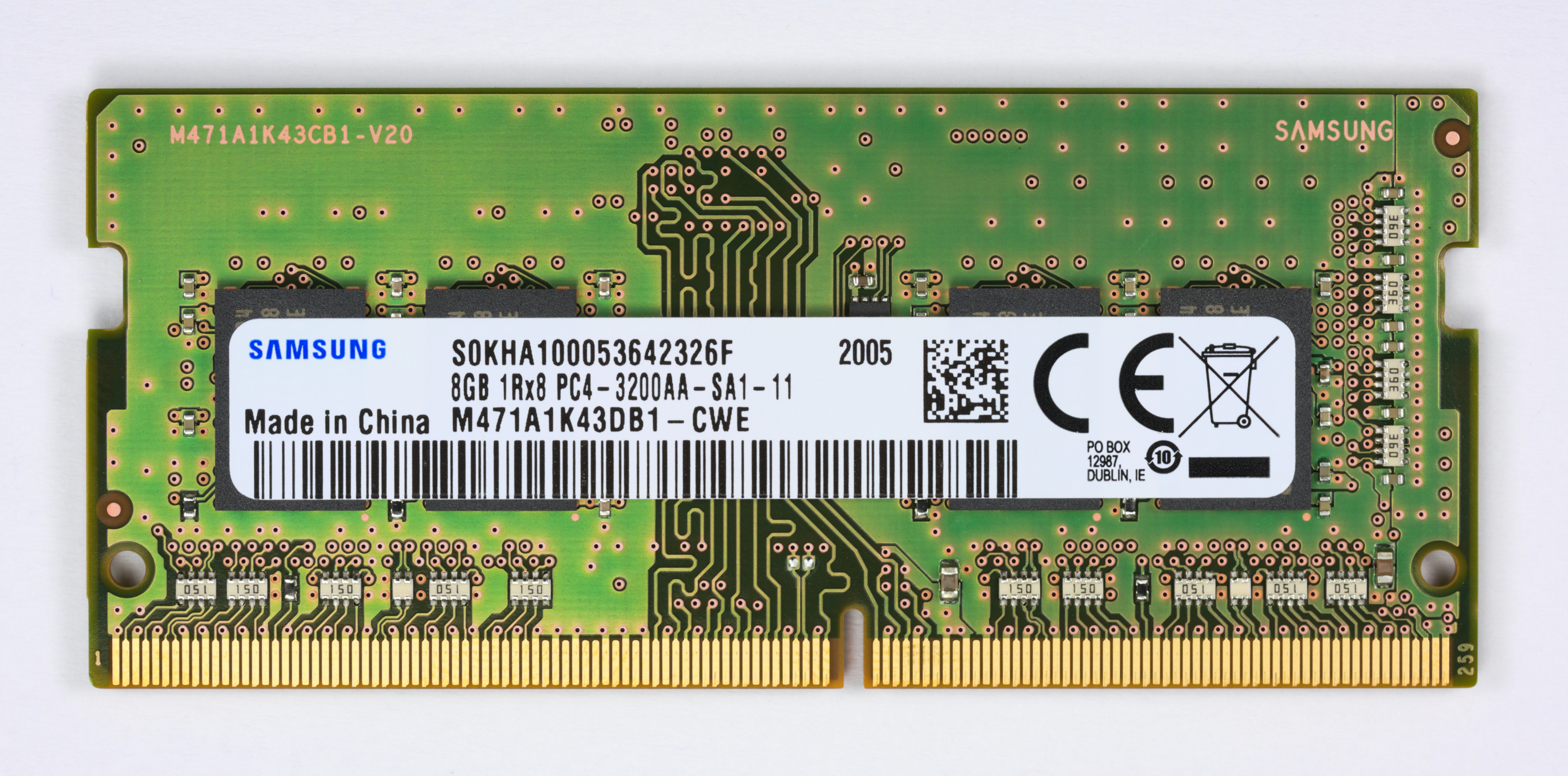
The recent surge in DRAM prices has shattered expectations of stability in a market that had seen relatively modest fluctuations for years. What many assumed would be a temporary blip caused by supply chain issues has instead evolved into a sustained period of high costs, reshaping how both consumers and enterprises approach hardware purchases.
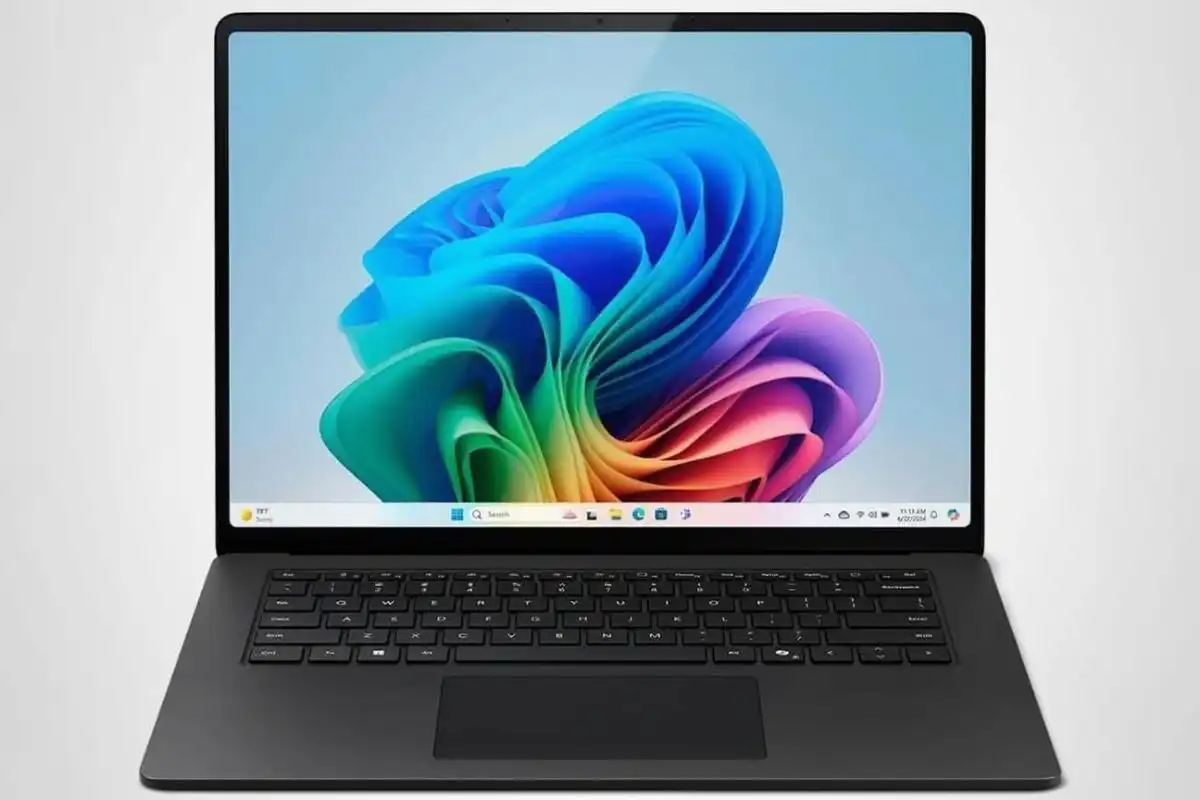
One common misconception is that DRAM price spikes primarily affect high-end products like AI workstations or supercomputers. In reality, the impact is far more widespread. Consumer devices—from budget laptops to smartphones—are feeling the squeeze as manufacturers pass on increased costs. The result? A tiered market where mid-range products suddenly carry premium price tags, pushing budget-conscious buyers toward older generations of hardware or forcing them to wait for prices to normalize.
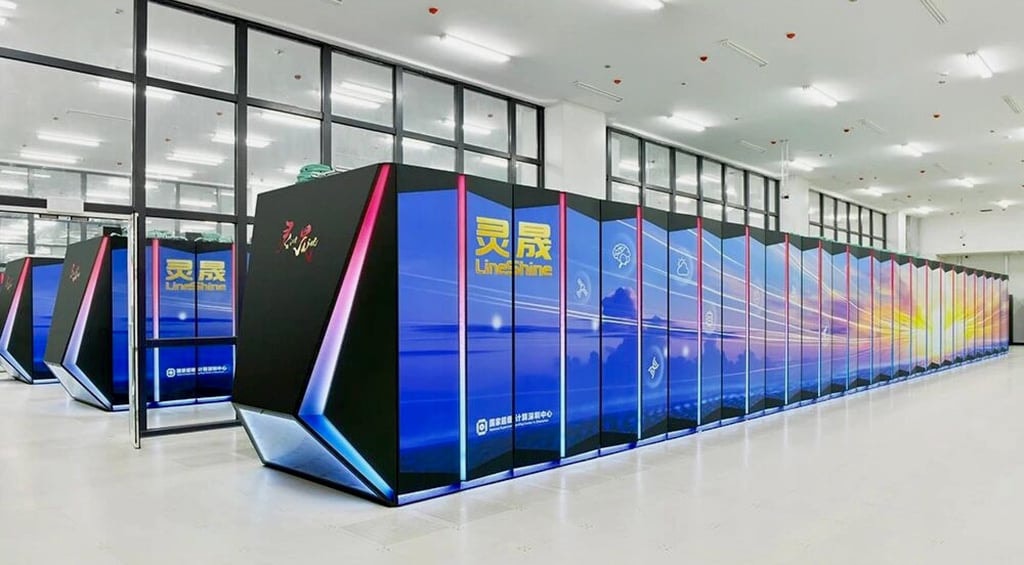
Behind the scenes, the shift is being driven by a fundamental change in demand patterns. AI workloads, which require massive amounts of memory to process complex algorithms efficiently, are now competing with traditional computing needs. Data centers, in particular, have become voracious consumers of DRAM, absorbing a significant portion of global supply. This isn’t just about raw numbers; it’s about the type of memory being used—high-bandwidth modules designed for AI inference or training are pulling prices upward across the board.

For IT decision-makers, the challenge goes beyond budgeting. The traditional playbook of hedging against price volatility by locking in long-term contracts is being tested. If teams over-provision now to avoid future shortages, they risk tying up capital in memory that may not align with evolving workload requirements. Conversely, underprovisioning could lead to performance bottlenecks that undermine the very efficiency gains AI promises. The balance between cost and capability has never been more delicate.
Industry analysts suggest that relief may come as new manufacturing capacity ramps up, but no concrete timeline exists. In the meantime, DRAM prices remain a critical variable in tech economics—one that demands strategic foresight rather than reactive adjustments. For consumers, the immediate impact is clear: fewer choices and higher costs at a time when affordability was already under pressure.